
 0
0
 0
0
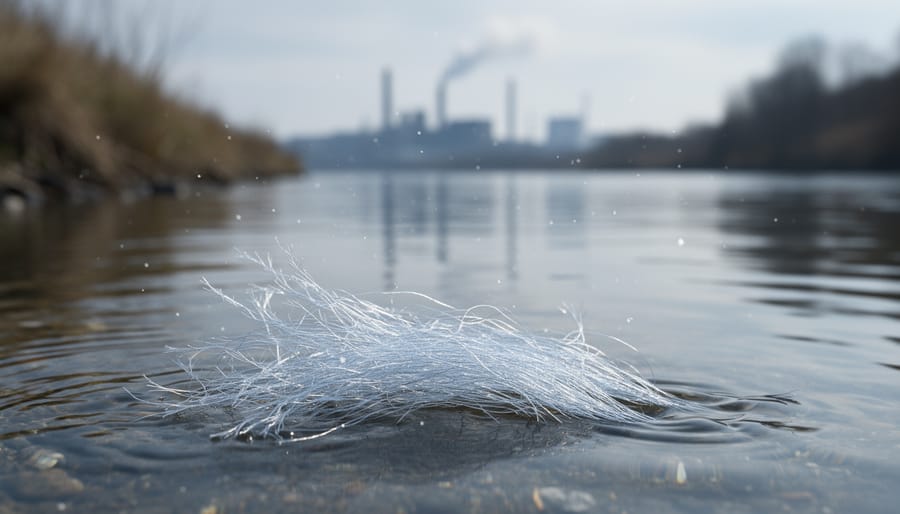
Fast fashion releases microplastics, tiny synthetic fibers smaller than five millimeters, into the environment through every stage of a garment’s life cycle, from production to washing to disposal. These particles shed from polyester, nylon, and acrylic clothing, entering waterways, soil, and even the air we breathe, where they persist for hundreds of years and infiltrate food chains worldwide.
The scale of this pollution is staggering. A single synthetic garment can release over 700,000 microfibers in one wash cycle, and with global clothing production doubling between 2000 and 2024, the cumulative environmental burden has reached crisis levels. We’re now finding microplastics in human blood, placentas, and organs, a consequence of the throwaway culture that produces 100 billion garments annually, most containing petroleum-based fibers designed to be worn fewer than ten times before disposal.
Understanding how fast fashion generates microplastic pollution matters because it reveals one of the industry’s most insidious environmental impacts. Unlike visible plastic waste in oceans or landfills, microplastics operate invisibly, contaminating ecosystems at a molecular level that makes cleanup essentially impossible. The problem compounds with each trend cycle: cheaper synthetic materials mean more shedding, faster disposal rates mean more textile waste breaking down, and inadequate wastewater treatment allows billions of particles to flow freely into natural systems.
This article breaks down the specific mechanisms through which fast fashion releases microplastics, categorizes the different types of fiber pollution, traces where these particles end up in the environment, and provides practical guidance for choosing clothing that minimizes your contribution to this growing threat. The choices we make about what we wear and how we care for it directly determine how much plastic pollution we’re adding to the planet’s air, water, and soil every single day.
What Are Microplastics in Fashion?
Microplastics are tiny plastic fragments smaller than five millimeters, about the size of a sesame seed or smaller, that infiltrate ecosystems worldwide. In fashion, these particles come primarily from synthetic fabrics like polyester, nylon, and acrylic, which now make up roughly 60% of all clothing produced globally. Every time you wash a synthetic garment, thousands to hundreds of thousands of these microscopic fibers break free and flow down the drain.
The fashion industry generates two distinct types of microplastic pollution. Primary microplastics are manufactured at microscopic sizes, like the microbeads once used in exfoliating treatments or plastic pellets lost during textile production. Secondary microplastics form when larger plastic items, like your favorite polyester sweater, break down through wear, washing, and weathering. The microfiber shedding from clothing falls squarely into this secondary category, making fashion one of the largest contributors to microplastic pollution globally.
- Microplastics
- Plastic particles measuring less than five millimeters in diameter, ranging from barely visible fragments to pieces smaller than a human cell.
- Synthetic fibers
- Man-made materials derived from petroleum, including polyester, nylon, acrylic, and elastane, which form the basis of most fast fashion garments.
- Microfibers
- Thread-like microplastics shed from synthetic textiles during washing and wear, typically measuring less than one millimeter in length.
- Primary microplastics
- Plastics intentionally manufactured at microscopic sizes for specific uses, such as production pellets or industrial abrasives.
- Secondary microplastics
- Fragments that result from the breakdown of larger plastic products through physical, chemical, or biological degradation over time.
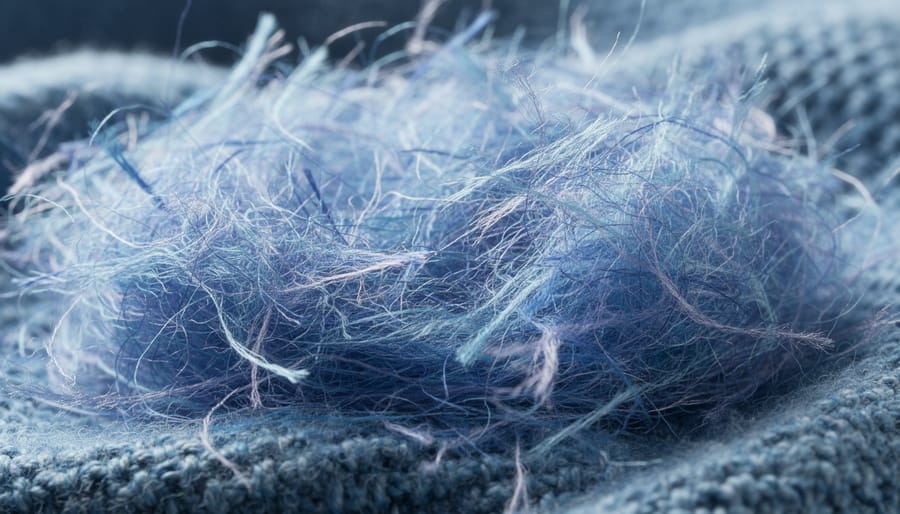
What makes fashion’s microplastic problem particularly insidious is its invisibility. You can’t see these fibers leaving your clothes in the wash, yet a single load of polyester laundry can release more than 700,000 microfibers. These particles are too small for standard wastewater treatment plants to filter, so they flow directly into rivers, lakes, and oceans. Unlike natural fibers such as cotton or wool that biodegrade relatively quickly, synthetic microfibers persist in the environment for decades or even centuries, accumulating in sediment, entering the food chain, and ultimately finding their way into human bodies.
How Fast Fashion Releases Microplastics Into the Environment
During Manufacturing and Production
During the manufacturing phase, fast fashion factories release substantial quantities of microplastics long before garments reach store shelves. The cutting and trimming of synthetic fabrics generates clouds of fiber dust and particles that escape factory ventilation systems, entering local air and water supplies. Industrial cutting machines operating at high speeds on polyester, nylon, and acrylic materials create fine airborne particles that settle in surrounding communities and waterways.
The dyeing process presents an even larger microplastic pathway. Fast fashion’s reliance on reactive dyes for synthetic fabrics requires intense mechanical agitation in industrial washers. This aggressive treatment causes fabric surfaces to shed thousands of microfibers directly into factory wastewater. A single dyeing cycle can release between 120 and 730 million microfibers per kilogram of fabric, depending on the synthetic material and dye process used.
Chemical finishing treatments, applied to achieve wrinkle resistance, water repellency, or softness, further degrade fabric surfaces through harsh chemical reactions and heat applications. These processes weaken fiber structures, priming synthetic garments to shed microplastics more readily once they reach consumers. Factory wastewater carrying these manufacturing microplastics often flows directly into rivers and streams, particularly in countries with limited environmental regulations where most fast fashion production occurs.
During Consumer Use and Washing
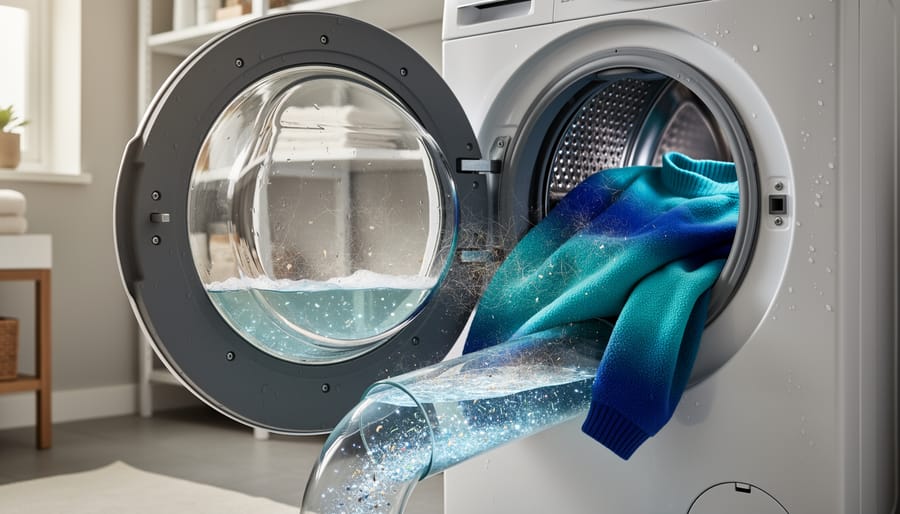
Every time you toss a polyester dress or acrylic sweater into the washing machine, you’re sending hundreds of thousands of invisible plastic fibers down the drain. A single synthetic garment can release up to 730,000 per wash depending on fabric type, garment age, and washing conditions. These microfibers are too small for standard wastewater treatment plants to capture, so most flow directly into rivers and oceans.
The shedding accelerates with hotter water, longer wash cycles, and the friction of agitation. Older garments shed more than new ones as fabric degrades. Fast fashion amplifies this problem because lower-quality synthetic textiles break down faster than higher-grade materials. Front-loading machines generate less mechanical stress than top-loaders, but any washing of synthetic fabrics releases microplastics into waterways. Even rinsing a garment by hand sends fibers into the drain.
The scale becomes staggering when you consider that the average person does hundreds of loads of laundry per year, and fast fashion encourages frequent purchases of synthetic-heavy wardrobes.
During Disposal and Degradation
When fast fashion garments reach the end of their short lifespan, their environmental impact accelerates rather than ends. In landfills, synthetic clothing doesn’t biodegrade, it photodegrades, breaking down into progressively smaller plastic fragments over 20 to 200 years. Each degraded garment releases millions of microplastic particles directly into surrounding soil and leachate, which then contaminates groundwater systems.
Landfill conditions worsen the problem. As textiles compress under waste layers, friction generates additional microfibers that migrate through the site. When rain percolates through landfills, it carries these particles into drainage systems and eventually into rivers and oceans. Studies of landfill leachate show microplastic concentrations up to 95 fibers per liter.
Incineration offers no solution either. While burning destroys the visible garment, it releases microplastics into the atmosphere along with toxic chemicals from synthetic dyes and finishes. These airborne particles settle onto land and water surfaces, continuing the cycle of environmental contamination. The persistence of these materials means every discarded polyester shirt contributes to pollution for generations, making disposal the final, but ongoing, stage of fast fashion’s microplastic legacy.
Types of Microplastic Pollution From Fast Fashion
Polyester Microfibers
Polyester accounts for more than half of all textile fiber production globally, and its dominance in fast fashion stems from simple economics: it’s cheap to produce, dries quickly, resists wrinkles, and holds vibrant dyes. A single polyester garment can cost a brand a fraction of what natural fibers would, making it the backbone of the ultra-low price points fast fashion relies on.
The environmental cost tells a different story. When you wash a polyester shirt, it releases an estimated 700,000 microfibers per cycle. These tiny plastic fragments, typically measuring between 10 micrometers and 5 millimeters, pass through wastewater treatment plants largely unfiltered. Studies show that up to 40% of microfibers escape into rivers and oceans.
Polyester’s durability works against the environment here. Unlike natural fibers that biodegrade, polyester microfibers persist for hundreds of years, accumulating in sediments and concentrating in marine food webs. Research from Plymouth University found that polyester sheds significantly more fibers than other synthetics, releasing nearly double the microplastics of acrylic fabrics during normal wear and washing.
Nylon and Acrylic Particles
Nylon found in activewear, swimwear, and hosiery sheds microplastics at rates that can exceed polyester under certain conditions. When nylon garments undergo friction during use, think leggings during a workout or tights under pants, they release fibers continuously, not just during washing. Each nylon washing cycle can release up to 900,000 fibers, particularly from cheaper, loosely woven fabrics common in fast fashion athleisure.
Acrylic presents an even more severe problem. Used in budget sweaters, scarves, and “cozy” loungewear, acrylic releases nearly 730,000 fibers per wash, the highest rate among common synthetics. These fibers break down into smaller particles more readily than polyester, making them easier for marine organisms to ingest. Fast fashion brands favor acrylic for its wool-like feel at a fraction of the cost, but this affordability comes with outsized environmental consequences.
Both materials persist in the environment for decades. Unlike natural fibers, nylon and acrylic don’t biodegrade, they simply fragment into progressively smaller particles that become nearly impossible to remove from ecosystems.
Blended Fabric Microplastics
Cotton-polyester blends present a deceptive challenge in the microplastic conversation. Fast fashion brands tout these mixed fabrics as more durable and wrinkle-resistant than pure synthetics, sometimes implying they’re better environmental choices because they contain natural fibers. The reality contradicts the marketing.
These blends still shed synthetic microfibers during washing, sometimes at comparable rates to 100% polyester garments. A 65/35 cotton-poly blend, common in fast fashion basics, releases thousands of plastic particles per wash cycle. The cotton portion doesn’t neutralize the environmental harm; it just dilutes it while creating a fabric that’s harder to recycle at end-of-life.
The problem compounds when you consider volume. Blended fabrics dominate fast fashion collections precisely because they’re cheap to produce and maintain that crisp appearance consumers expect from throwaway trends. They appear in everything from graphic tees to athleisure, multiplying their microplastic contribution across millions of garments.
Rayon blends add another layer of complexity. While rayon itself is plant-based, manufacturers frequently blend it with polyester or spandex for stretch and durability, creating the same microplastic shedding issues under a “natural fabric” halo.
Where Fast Fashion Microplastics End Up
Ocean and Marine Ecosystems
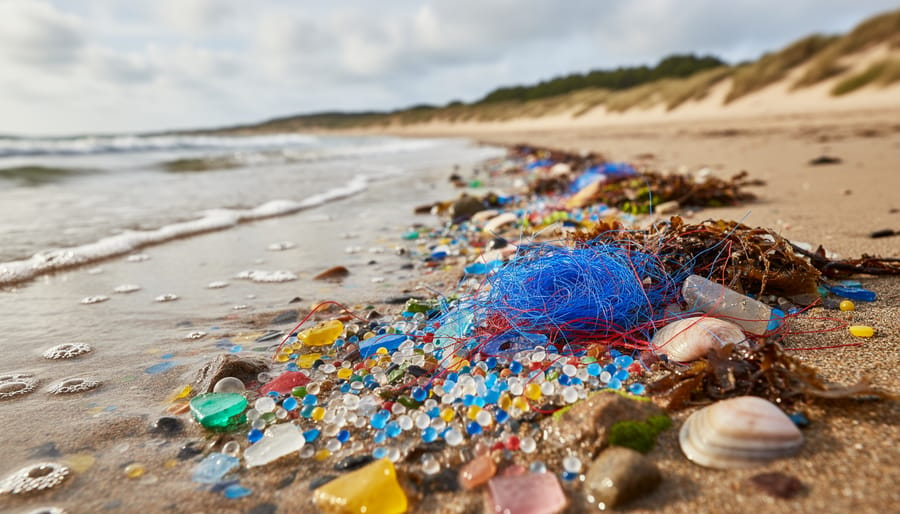
Once microplastics leave washing machines, the majority flow through wastewater treatment plants and into rivers, lakes, and oceans. Current filtration systems capture only about 40% of synthetic fibers, meaning 60% pass straight through into marine environments. A single wash of polyester garments releases up to 700,000 microfibers, and these eventually reach the sea.
In marine ecosystems, these tiny plastic particles accumulate in ocean gyres and coastal zones where marine life mistakes them for food. Small fish, zooplankton, and filter feeders like mussels and oysters ingest the fibers, which then concentrate toxic chemicals in their tissues. The plastics don’t break down; they simply move up the food chain as larger fish consume smaller ones.
Research shows that 73% of fish caught in the mid-Atlantic ocean contain microplastics, many identifiable as synthetic clothing fibers. When we eat seafood, those same polyester and nylon particles from discarded fast fashion end up on our plates, a closed loop that connects throwaway clothing directly to human health risks and ecosystem damage.
Soil and Agricultural Systems
Wastewater treatment plants can’t fully capture microplastics shed from synthetic clothing, they’re too small to filter out completely. Instead, these particles accumulate in sewage sludge, the solid byproduct left after wastewater processing. In many countries, this sludge is sold or given to farmers as fertilizer, marketed as “biosolids” to enrich soil with nutrients.
When biosolids containing microplastics are spread on farmland, those particles become part of the agricultural ecosystem. Studies have found polyester and nylon microfibers in soil samples from fields where biosolids have been applied, sometimes at concentrations exceeding what researchers measure in ocean sediments. These microplastics don’t biodegrade, they fragment into smaller pieces and persist for decades.
The implications extend to food security. Earthworms and other soil organisms ingest microplastics, which can impair their digestive systems and reproductive health. Certain crops, particularly root vegetables, have been shown to absorb nanoplastics through their root systems. While research on human health effects is still developing, the contamination pathway from washing machines to agricultural land to our plates represents one of fast fashion’s least visible but most persistent environmental legacies.
Air and Human Exposure
Synthetic textiles release microplastics into the air we breathe daily. When you walk across a polyester carpet, fold a fleece jacket, or even sit on a synthetic upholstered chair, friction causes microscopic fibers to break free and become airborne. Research has detected these particles in household dust at concentrations far higher than in outdoor air, your bedroom may contain thousands of synthetic microfibers per square meter.
Indoor environments where fast fashion items are worn, washed, and stored show particularly high concentrations. Dryers are significant culprits, venting fiber-laden air directly outside or circulating it within laundry rooms. Studies have found polyester and nylon fragments in human lung tissue, and emerging research suggests these particles may trigger inflammatory responses or carry absorbed chemicals into the body.
The health implications remain under investigation, but the exposure is undeniable. Average individuals inhale an estimated tens of thousands of microplastic particles annually, with a substantial portion originating from textiles. Children playing on synthetic carpets or wearing fleece pajamas face even higher exposure rates due to their proximity to floors and smaller body mass.
The Scale of the Problem: Fast Fashion’s Microplastic Footprint
Global textile production releases an estimated 500,000 tonnes of microplastic fibers into the ocean every year, the equivalent of 50 billion plastic bottles. Fast fashion accounts for a substantial portion of this pollution, driven by the industry’s reliance on synthetic materials and accelerated production cycles.
A single polyester garment can shed more than 700,000 microfibers during a typical wash cycle. When you consider that fast fashion retailers produce billions of garments annually, the math becomes staggering. The average consumer now purchases 60% more clothing than they did 15 years ago, while keeping each item half as long. This shortened lifecycle means more washing cycles during use and faster disposal, compounding the microplastic release at both ends.
Research shows that synthetic textiles contribute between 20% and 35% of all primary microplastics in marine environments. The Ellen MacArthur Foundation estimates that by 2050, the fashion industry’s plastic fiber production could triple if current trends continue, releasing even more microplastics into ecosystems already struggling with pollution.
The concentration varies by region. Coastal areas near major textile manufacturing hubs in Asia show microplastic levels in waterways up to 10 times higher than global averages. Wastewater treatment plants, while capturing some fibers, still release millions of microplastics downstream because standard filtration systems aren’t designed to trap particles smaller than 300 micrometers.
Landfills tell another part of the story. The 92 million tonnes of textile waste generated annually break down slowly, continuously releasing microplastics into soil and groundwater for decades. Studies of agricultural soil amended with wastewater sludge have found between 200 and 400 microplastic particles per kilogram, a direct pathway from fast fashion to food systems.
These numbers reflect a crisis manufactured by design: cheap synthetic materials, disposable business models, and production volumes that prioritize speed over environmental consequence.
What Conscious Consumers Can Do
Reducing your microplastic footprint starts with the clothes you choose and how you care for them. Natural fibers like organic cotton, linen, hemp, and Tencel release no synthetic microplastics when washed, making them your first line of defense. When shopping, flip the garment label and look for 100% natural fiber content, or at worst, less than 30% synthetic content in blends.
Quality matters as much as material. A well-made organic cotton shirt from a transparent brand will last years longer than a cheap polyester equivalent that sheds fibers and falls apart after a season. Buy fewer items, choose pieces you’ll wear repeatedly, and prioritize durability over trends. This approach cuts microplastic pollution while reducing overall consumption.
When you do own synthetic garments, washing practices make a dramatic difference. Wash synthetic items less frequently, most clothes don’t need cleaning after every wear. Use cold water and gentler wash cycles, which reduce fiber breakage by up to 30%. Fill your machine properly; both overfilling and washing tiny loads increase friction and fiber shedding.
Install a microfiber-catching filter on your washing machine, or use a Guppyfriend bag or Cora Ball in each load. These solutions capture 50-80% of shed fibers before they reach waterways. Empty the filter or bag into the trash rather than rinsing it down the drain.
Air-dry synthetic garments instead of using a dryer. Heat weakens fibers and accelerates shedding, while tumble dryers release microplastics into indoor air that you and your family breathe.
When evaluating brands, look beyond vague “eco-friendly” marketing. Seek companies that disclose their material sourcing, provide specific fiber content percentages, and acknowledge the microplastic issue directly. Brands committed to sustainability often detail their use of natural fibers, closed-loop production systems, or innovative materials designed to minimize environmental harm.
Support secondhand and vintage shopping for items you can’t find in natural fibers. A synthetic garment that already exists won’t shed more just because it’s pre-owned, and you’re not funding new production. Thrift stores, consignment shops, and online resale platforms offer endless options.
Finally, extend garment life through proper care and repair. Learn basic mending skills or find a local tailor. Every additional year you wear an item dramatically reduces its per-wear environmental impact. When clothes truly reach end-of-life, research textile recycling programs rather than discarding items in regular trash where they’ll degrade into microplastics for centuries.
FAQ: Fast Fashion and Microplastics
Navigating the world of microplastics and fashion can feel overwhelming, especially when conflicting information floods social media and marketing materials. These questions address the most common concerns we hear from conscious consumers trying to make informed choices.
Do natural fibers like cotton release microplastics?
Pure natural fibers such as organic cotton, linen, hemp, and wool do not release microplastics because they’re biodegradable plant or animal materials. However, many garments labeled as cotton are actually cotton-polyester blends that do shed synthetic microfibers during washing.
Are biodegradable synthetics a real solution to microplastic pollution?
Current biodegradable synthetics show promise but aren’t a complete solution yet. Most require specific industrial composting conditions that aren’t widely available, and they still shed microfibers during use that may not break down in typical aquatic environments where most washing machine water ends up.
What washing practices actually reduce microfiber shedding?
Wash synthetic garments less frequently, use cold water, choose gentle cycles with lower spin speeds, and fill your machine to capacity rather than running small loads. Installing a microfiber filter on your washing machine or using a Guppyfriend bag can capture fibers before they enter waterways.
How can I identify garments that will shed more microplastics?
Check the care label for fiber content, anything listing polyester, nylon, acrylic, or elastane will shed microplastics. Lower-quality synthetic fabrics with loose weaves, fuzzy surfaces, or cheaper price points typically shed more fibers than tightly woven, higher-quality synthetics.
Beyond these basics, remember that the fashion industry’s transparency problem makes it difficult to know exactly how much a specific garment will shed. Brands rarely disclose testing data on microfiber release rates. Your safest approach remains choosing natural fibers when possible, buying fewer but better-quality pieces, and caring for what you own in ways that extend its life while minimizing environmental harm. When you do purchase synthetics for performance needs, activewear, waterproof layers, treat them as long-term investments rather than disposable items, and follow washing practices that reduce shedding throughout their extended lifespan.
how it works
The journey from fast fashion garment to microplastic pollution begins the moment synthetic fibers are manufactured. When brands produce clothing from virgin polyester, nylon, or acrylic, materials derived from petroleum, they create fabrics programmed to shed microscopic particles throughout their existence.
The real damage accelerates when you bring these clothes home. Each wash cycle subjects synthetic garments to mechanical stress and water turbulence, causing fibers to break and release. A single polyester shirt can shed 700,000 microfibers in one wash. These particles, measuring less than 5mm and often invisible to the naked eye, flow through washing machine drainage systems. Most wastewater treatment plants lack the filtration capacity to capture them, so they pass directly into rivers and oceans.
The shedding continues during wear through friction against skin and surfaces, releasing airborne particles into indoor environments. When fast fashion items reach landfills, they don’t biodegrade, they fragment into progressively smaller pieces over decades, leaching microplastics into soil and groundwater. This persistent cycle means every synthetic garment you purchase commits the environment to centuries of ongoing microplastic pollution.
Types or components
– Task: Write “Types or components” section
– Target: ~160 words
– Article type: explainer
– Required concept: types_or_components (template requirement)
– Context: This appears to be a catch-all template section, but the outline already has Section 4 “Types of Microplastic Pollution From Fast Fashion” which serves this purpose more specifically
Given the outline already contains a detailed “Types” section (Section 4 with subsections on polyester, nylon/acrylic, and blended fabrics), this template-required section should either:
1. Be consolidated/merged with Section 4, OR
2. Cover a complementary angle on “types/components”
Since this is listed separately as Section 10, I’ll interpret it as covering the *components of the microplastic pollution system* from fast fashion – the structural elements that create the problem.
—
Fast fashion’s microplastic pollution operates through three interconnected components that together create a continuous cycle of environmental contamination.
The material component centers on synthetic fibers themselves, polyester, nylon, acrylic, and elastane, which form the petroleum-based backbone of fast fashion. These polymers are engineered for affordability and quick production, not environmental safety, making them inherently prone to fragmentation.
The mechanical component includes all physical processes that break down these materials: industrial cutting and finishing during production, friction and agitation during washing, everyday wear and abrasion, and long-term degradation in landfills. Each mechanical action shears fibers into smaller particles.
The distribution component encompasses the pathways that spread microplastics throughout ecosystems: wastewater systems that carry fibers from washing machines to treatment plants and waterways, air currents that disperse particles from textile facilities and drying clothes, and waste management infrastructure that concentrates microplastics in sludge applied to agricultural land.
Understanding these components reveals why addressing microplastic pollution requires changes across the entire fashion system, not just individual consumer behavior.
Understanding how fast fashion affects the environment through microplastics transforms the way you approach your wardrobe. Every synthetic garment carries hidden environmental costs that ripple through oceans, soil, and even the air we breathe. The hundreds of thousands of microfibers released with each wash cycle aren’t abstract statistics, they’re tangible consequences of purchasing decisions that accumulate across billions of garments worldwide.
The good news? You hold genuine power to disrupt this cycle. Choosing natural fibers over synthetics, supporting brands that invest in better materials and production methods, and extending the life of what you already own all create measurable impact. When you buy one well-made organic cotton shirt instead of three polyester fast fashion pieces, you’re not just reducing microplastic pollution, you’re voting with your wallet for a different industry standard.
This shift requires information you can trust. Greenwashing runs rampant in fashion, with brands making vague sustainability claims that crumble under scrutiny. Platforms like Fashion Upended cut through the marketing noise by evaluating transparency, verifying certifications, and holding brands accountable to concrete environmental standards. Real sustainability isn’t about perfect choices, it’s about informed ones.
Your next clothing purchase is an opportunity. Check the fiber content label. Ask about production practices. Choose brands that prove their environmental claims rather than just promoting them. These small, deliberate decisions add up to the systemic change our planet desperately needs.




Average Rating