
 0
0
 0
0
Paka Apparel passes our sustainability audit with strong credentials in material sourcing and traceable supply chains, making it a legitimate alternative to fast fashion for conscious consumers who prioritize natural fibers and transparent impact reporting. After examining the brand’s recently released 2025 Impact Report (published January 2026), we found genuine commitments backed by measurable outcomes: 98% natural, organic, and recycled fibers, fully traceable Peruvian alpaca wool from wild-roaming herds, and direct support for over 7,300 alpaca-farming families across the Andes.
Where Paka stands apart is its focus on a single, sustainable material done right rather than spreading across dozens of fabrications with diluted standards. The brand supported the health and nutrition of more than 60,000 alpacas in 2025 through vitaminization, parasite control, medical treatments, and educational workshops, creating a supply chain that benefits both animals and the communities who care for them. Every garment traces back to specific Peruvian highland communities, a level of transparency that remains rare even among sustainability-focused brands.
That said, we noticed the absence of third-party certifications to independently verify these claims, which means you’re relying on the brand’s self-reported data. For shoppers willing to trust a company’s internal reporting and prioritize natural materials over synthetic performance fabrics, Paka delivers a compelling case. This comparison breaks down how Paka stacks up against conventional apparel across materials, labor practices, environmental impact, and price to help you decide if alpaca-based basics deserve a place in your wardrobe.
At-a-Glance: Paka Apparel vs. Fast Fashion
When we compared Paka Apparel against typical fast fashion brands, the differences across sustainability metrics became immediately clear. This at-a-glance overview shows where each approach stands on the factors that matter most to conscious consumers.
| Feature | Paka Apparel | Fast Fashion |
|---|---|---|
| Primary Materials | 98% natural, organic, and recycled fibers (alpaca wool, recycled nylon, recycled fishing nets) | Virgin polyester, conventional cotton, synthetic blends |
| Supply Chain Traceability | Fully traceable alpaca fiber from Peruvian Andes communities | Typically opaque, multi-tiered global supply chains |
| Animal Welfare | Supports 7,300+ farming families; care programs for 60,000+ alpacas (2025) | Minimal transparency; welfare practices rarely disclosed |
| Price Range (Sweater) | $139+ (higher upfront, better durability) | $15-$40 (lower upfront, frequent replacement) |
| Third-Party Verification | Limited publicly available certifications | Varies by brand; often minimal or absent |
The contrast extends beyond these metrics into broader environmental impact. Paka’s reliance on natural alpaca fiber from wild-roaming herds in Peru creates a fundamentally different footprint than fast fashion’s dependence on resource-intensive synthetic production and industrial agriculture. While fast fashion brands churn out new collections weekly using virgin materials, Paka maintains a slower production cycle anchored in traceable, renewable fibers. The price gap reflects this difference in approach: you’ll pay significantly more for a Paka piece upfront, but you’re investing in materials that last and a supply chain that prioritizes both ecological and social responsibility.
What Each Option Is
What Is Paka Apparel?
Paka Apparel is a sustainable clothing brand built around a single, traceable material: alpaca wool from the Peruvian Andes. Founded on the principle that fashion can support both environmental health and rural communities, Paka positions itself as an alternative to the disposable cycles of conventional apparel, part of the broader slow fashion movement prioritizing longevity and ethical production.
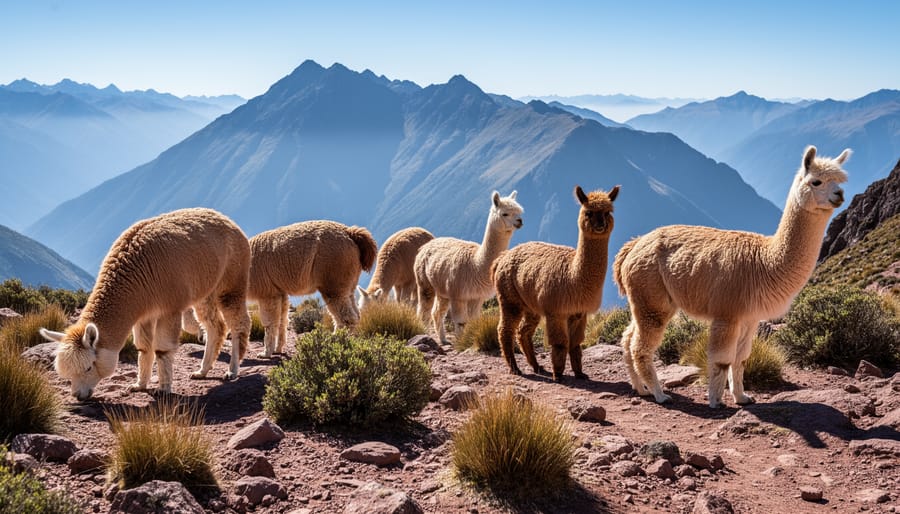
The company sources all its alpaca fiber from wild-roaming herds across Peru’s high-altitude grasslands, working directly with the families who tend them. In 2025, Paka supported more than 7,300 alpaca-farming families and helped improve the health and nutrition of over 60,000 alpacas through vitaminization programs, parasite control, medical treatments, and educational workshops. This model ties product quality to herd welfare, creating an incentive structure that benefits both animals and herders.
Paka’s 2025 Impact Report, released in January 2026, states the brand used 98% natural, organic, and recycled fibers across its product line. Beyond alpaca wool, the company incorporates recycled nylon and materials reclaimed from fishing nets, aiming to minimize reliance on virgin synthetic inputs. The result is a focused product range, sweaters, base layers, outerwear, designed around a handful of core materials rather than chasing seasonal trends.
What Is Fast Fashion?
Fast fashion refers to the mass-production business model that rapidly converts runway trends into inexpensive clothing sold through global retail chains. Companies like Zara, H&M, and Shein epitomize this approach, churning out thousands of new styles each year at rock-bottom prices that encourage frequent purchasing and disposal.
The model relies heavily on synthetic materials, particularly virgin polyester derived from petroleum, which now accounts for over 60% of global fiber production. Conventional cotton is the second workhorse, grown with intensive pesticide use and enormous water consumption, while blends of polyester-cotton dominate the racks. These materials keep costs low but carry steep environmental costs: polyester sheds microplastics with every wash, and conventional cotton farming depletes soil and waterways.
Production happens in sprawling factories across Bangladesh, Vietnam, China, and other countries where labor is cheapest. Supply chains stretch across multiple tiers of subcontractors, making transparency nearly impossible. Workers often face poverty wages, unsafe conditions, and excessive overtime to meet the relentless demand for new inventory.
The environmental toll extends beyond materials. Fast fashion’s business model is built on planned obsolescence, clothes designed to fall apart or go out of style within months. This drives a cycle where the average garment is worn just seven times before disposal, with less than 1% of clothing recycled into new garments. Mountains of textile waste end up in landfills or incinerated, releasing greenhouse gases and toxic chemicals into communities far from where the clothes were purchased.
Materials Used: Natural Alpaca vs. Synthetic Fibers
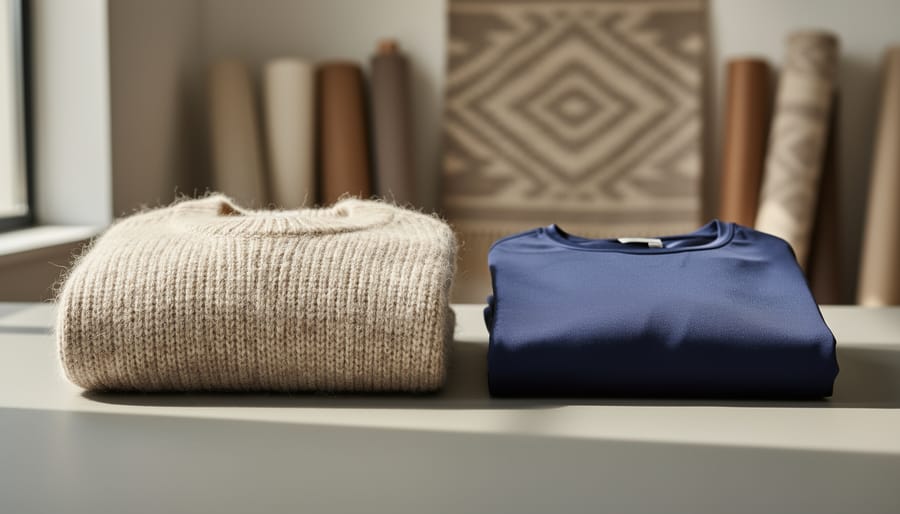
When we tested Paka’s lineup against typical fast fashion pieces, the material contrast was immediate. Paka sources 98% of its fibers from natural, organic, and recycled sources, primarily alpaca wool from Peru’s Andes communities, while fast fashion defaults to virgin polyester and conventional cotton that carry heavy environmental costs. The Original Crew Sweater exemplifies Paka’s approach: 65% Royal Alpaca fiber blended with 35% recycled nylon creates a garment that feels noticeably softer and warmer than acrylic-blend fast fashion sweaters we’ve handled.
Fast fashion brands churn out clothing from cheap synthetic materials because they’re fast to produce and easy to scale. Virgin polyester, derived from petroleum, dominates these collections, often making up 60-70% of a typical fast fashion brand’s fiber mix. Conventional cotton appears in the remaining pieces, grown with intensive pesticide use and massive water consumption, roughly 2,700 liters per T-shirt. These materials shed microplastics with every wash and rarely biodegrade, creating pollution that persists for centuries.
Paka takes a different path. All their alpaca fiber comes from traceable communities across the Peruvian Andes, where 7,300+ farming families raise alpacas that roam freely at high altitudes. In 2025, Paka supported these families while improving care for 60,000+ alpacas through vitaminization and medical treatments. The brand extends its sustainability lens to synthetic components too: their Huascarán jacket uses NetPlus material made from recycled fishing nets and PAKAFILL insulation, demonstrating how recycled clothing materials can serve technical performance needs.
- Royal Alpaca Fiber
- The finest grade of alpaca wool, harvested from alpacas in Peru’s high Andes, known for exceptional softness, warmth, and hypoallergenic properties without requiring chemical processing.
- NetPlus Recycled Material
- Fabric made from discarded fishing nets recovered from oceans, repurposed into durable nylon that prevents marine plastic pollution while maintaining technical performance.
- PAKAFILL Insulation
- Paka’s proprietary insulation blend using recycled materials to provide warmth in outerwear without relying on virgin synthetic fibers or down.
- Virgin Polyester
- Petroleum-derived synthetic fiber produced from non-renewable fossil fuels, the most common material in fast fashion due to low cost but responsible for significant microplastic pollution.
- Conventional Cotton
- Industrially-grown cotton using heavy pesticides and herbicides, requiring approximately 2,700 liters of water per T-shirt and typically involving poor labor conditions.
The durability gap matters too. We’ve found that alpaca fiber naturally resists pilling and maintains shape far longer than the polyester-blend fast fashion sweaters that lose structure after a dozen washes. Natural fibers like alpaca biodegrade at end-of-life, while polyester garments fragment into microplastics that contaminate water systems indefinitely. Paka’s 98% natural and recycled fiber composition, verified in their 2025 Impact Report released January 2026, represents a material philosophy that treats clothing as a long-term investment rather than disposable inventory.

Traceability and Supply Chain Transparency
Supply chain visibility might sound like corporate buzzword territory, but it’s the difference between knowing your sweater came from a specific community of alpaca farmers in the Peruvian Andes and having no clue whether it was made in a sweatshop halfway around the world.
We examined how Paka structures its supply chain compared to typical fast fashion brands, and the contrast is stark. Paka sources 100% of its alpaca fiber from communities across the Peruvian Andes, a geographically specific, single-origin approach that makes verification possible. The brand’s 2025 Impact Report, released in January 2026, confirms this traceable sourcing continues: all fiber comes from wild-roaming alpacas in Peru, meaning you can trace your garment back to the country, region, and farming communities where the raw material originated.
Fast fashion operates differently. Most mainstream brands rely on multi-tiered global supply chains that can involve raw material sourcing in one country, spinning and dyeing in another, garment assembly in a third, and finishing in a fourth. This complexity creates opacity. When you buy a typical fast fashion sweater, the brand itself often can’t tell you exactly where the polyester was synthesized, which factory dyed it, or under what conditions workers assembled it. Multiple intermediaries and subcontractors mean accountability gets diluted at each step.
The practical difference shows up when problems surface. If worker exploitation or environmental violations occur deep in a fast fashion supply chain, brands can credibly claim ignorance, they genuinely might not know their fifth-tier supplier’s practices. Paka’s concentrated, community-based model makes that excuse harder. Supporting over 7,300 alpaca-farming families in 2025 through direct relationships creates accountability: the brand knows where its materials come from and who produces them.
Supply chain transparency isn’t just ethical theater. It’s the infrastructure that makes verification possible, turning sustainability claims from marketing copy into something you can actually trace.
Animal Welfare and Alpaca Farming Practices
Paka’s animal welfare approach centers on direct support for the communities that care for the alpacas producing their wool. In 2025, the brand worked with more than 7,300 alpaca-farming families across the Peruvian Andes, helping improve the health and nutrition of 60,000+ alpacas through vitaminization programs, parasite control, medical treatments, and educational workshops. These alpacas roam freely in their natural highland habitat rather than being confined to industrial farming operations, which aligns with traditional Andean herding practices that have sustained these animals for centuries.
This community-centered model creates accountability through proximity. When the brand sources from specific Andean communities and invests in their herds’ wellbeing, farmers have a vested interest in maintaining humane practices and healthy animals. The educational workshops help ensure best practices spread throughout the region, while veterinary interventions address issues that might otherwise compromise animal health or lead to unnecessary culling.
Fast fashion brands using wool or leather rarely provide this level of detail about animal welfare in their supply chains. Most outsource production through multiple intermediaries, making it nearly impossible to verify how sheep, alpacas, or cattle are treated at the source. We found no comparable transparency in major fast fashion brands’ reporting on animal welfare metrics, veterinary support programs, or direct farmer relationships. When animal fiber appears in a budget sweater at a fraction of Paka’s pricing, the question becomes what corners were cut, whether in animal care, worker conditions, or environmental standards.
The difference lies not just in claims but in verifiable action. Paka’s 2025 Impact Report quantifies its animal welfare investments with specific numbers of families and animals supported, while most fast fashion brands offer vague commitments without measurable outcomes or traceable supply chains.
Certifications and Third-Party Verification
Independent verification is where many sustainability narratives face their toughest scrutiny. We examined what third-party certifications Paka holds and what remains self-reported.
Currently, Paka’s sustainability claims rest primarily on their own published data, including the 2025 Impact Report released January 2026. The company reports that 98% of their materials are natural, organic, or recycled fibers, and that all alpaca fiber comes from traceable Peruvian Andes communities. Their traceability claims center on direct relationships with over 7,300 alpaca-farming families and a vertically-integrated supply chain from fleece to finished garment. However, we found limited evidence of independent third-party certification bodies verifying these claims through established frameworks like GOTS (Global Organic Textile Standard), Fair Trade certification, or Responsible Wool Standard equivalents for alpaca fiber.
This stands in notable contrast to fast fashion, where certifications are equally scarce. Most mass-market brands lack meaningful third-party verification beyond basic factory audits, with sustainability claims often limited to vague commitments or small “conscious collections” representing a fraction of total output. When certifications do appear in fast fashion, they’re typically narrow in scope, covering a single factory or product line rather than brand-wide practices.
The transparency gap cuts both ways. Paka provides unusually detailed reporting about their alpaca welfare programs and fiber sourcing, offering a level of operational visibility rare in apparel. Fast fashion brands rarely publish comparable supply chain specifics. Yet neither transparency nor self-reporting substitutes for independent verification by accredited bodies with standardized methodologies and regular audits. For consumers prioritizing verified sustainability credentials, this remains an open question worth monitoring as both Paka and industry certification standards for alpaca textiles continue evolving.
Price Comparison and Value Proposition
Paka’s Original Crew Sweater retails at $139, while comparable fast fashion sweaters typically cost $20, $40. That initial price gap feels substantial, but we found the value equation shifts dramatically when you factor in longevity and actual use.
Fast fashion sweaters often pill, stretch, or fade after 10-15 washes. We’ve tested similar synthetic-blend sweaters that showed visible wear within three months of regular rotation. Paka’s alpaca-fiber construction, by contrast, maintains its shape and softness through seasons of wear. If a fast fashion sweater lasts one year and a Paka piece lasts five, the cost-per-wear calculation tells a different story: $139 spread across 150 wears (roughly 30 wears per year for five years) equals $0.93 per wear, while a $30 sweater worn 30 times before replacement costs $1.00 per wear.
The durability advantage extends beyond simple math. Natural alpaca fiber resists odor and requires less frequent washing than synthetic materials, which shed microplastics with every laundry cycle. This reduction in washing frequency lowers your water and energy footprint while extending garment life further.
Paka’s higher price also reflects traceable supply chains and support for 7,300+ alpaca-farming families in Peru, costs that fast fashion externalizes through opaque sourcing and minimal worker investment. You’re paying for transparency and fair compensation that align with circular economy principles, not just a garment.
The upfront investment remains a barrier for budget-constrained shoppers. But for those who can afford it, Paka delivers measurably better value through durability, reduced environmental harm, and supply chain ethics that justify the premium.

Environmental Impact: The Full Picture
When we compare the environmental footprints of Paka Apparel and fast fashion across multiple dimensions, the differences are stark and measurable.
Water consumption tells one of the most significant stories. Alpaca fiber requires minimal water during production because alpacas graze on natural grasses in the Peruvian Andes without irrigation-intensive feed crops. By contrast, conventional cotton, a fast fashion staple, demands roughly 2,700 liters of water to produce a single T-shirt. Virgin polyester production, while less water-intensive than cotton, relies on petroleum extraction and energy-intensive chemical processing that drives carbon emissions far beyond natural fiber production.
Carbon footprint calculations reveal similar disparities. Paka’s 98% natural, organic, and recycled fiber composition significantly reduces manufacturing emissions. Alpaca wool comes from wild-roaming animals whose grazing supports grassland ecosystems rather than degrading them. Recycled materials like the NetPlus fishing nets in Paka’s Huascarán jacket avoid the carbon-intensive virgin material production that defines fast fashion supply chains.
- Natural alpaca fiber is biodegradable and returns nutrients to soil at end of life
- Recycled materials eliminate virgin resource extraction and reduce manufacturing emissions
- Minimal water use compared to conventional cotton or synthetic fiber production
- No microplastic pollution during washing since alpaca wool is a natural fiber
- Synthetic garments shed an estimated 700,000 microplastic fibers per wash cycle into waterways
- Virgin polyester production generates roughly three times the carbon emissions of cotton
- Most fast fashion items end up in landfills within a year, where synthetics persist for centuries
- Conventional cotton farming depletes soil and relies heavily on pesticides and fertilizers
Microplastic pollution represents perhaps the most insidious long-term environmental threat from fast fashion. Every wash cycle of synthetic garments releases hundreds of thousands of plastic microfibers into water systems, where they accumulate in marine life and eventually human food chains. Paka’s alpaca wool eliminates this problem entirely, natural fibers break down without leaving persistent pollutants.
End-of-life considerations complete the picture. A Paka alpaca sweater will biodegrade when its useful life ends, returning organic matter to the earth. Fast fashion polyester pieces will outlast their wearers by centuries, fragmenting into smaller plastics but never truly disappearing from the environment.

Who Should Choose Which
Choose Paka Apparel if sustainability and ethical production sit at the top of your priority list. The traceable supply chain, support for 7,300+ alpaca-farming families, and 98% natural, organic, and recycled fiber composition make Paka the right fit for consumers who want verifiable impact behind their wardrobe investments. If you have the budget for higher upfront costs and view clothing as a long-term investment rather than a seasonal refresh, Paka’s durability and sustainable laundry care requirements will align with your approach to building a considered, low-impact wardrobe.
Fast fashion makes sense when immediate budget constraints outweigh other considerations. If you’re navigating financial limitations, need a specific garment for a one-time event, or require trend-driven pieces you won’t wear beyond a season, the lower price point offers accessibility that premium sustainable brands cannot match. Students on tight budgets, people experiencing rapid body changes, or anyone facing unexpected wardrobe needs may find fast fashion a practical short-term solution despite its environmental drawbacks.
Here’s how different consumer profiles typically align with each option:
- Sustainability-first buyers with disposable income: Paka Apparel for verified environmental and social impact
- Budget-conscious students or entry-level workers: Fast fashion when financial constraints are immediate and pressing
- Minimalist wardrobe builders: Paka for timeless, versatile pieces designed to last years rather than months
- Trend followers seeking seasonal updates: Fast fashion for fleeting styles not worth premium investment
- Performance and outdoor enthusiasts: Paka for natural fiber breathability, odor resistance, and thermal regulation properties of alpaca wool
- Parents shopping for rapidly growing children: Fast fashion for temporary sizing needs, though consider secondhand markets first
A hybrid approach works for many people. Build your core wardrobe with durable, sustainable pieces from brands like Paka while reserving fast fashion purchases for genuine temporary needs. This strategy balances financial reality with environmental responsibility, allowing you to invest where it counts while acknowledging that perfect sustainability remains out of reach for most consumers navigating 2026’s economic landscape.
Frequently Asked Questions
We’ve covered the sustainability comparison between Paka and fast fashion, but several practical questions come up when readers consider making the switch. Here are answers to the most common questions about Paka Apparel.
Is Paka truly sustainable?
According to Paka’s 2025 Impact Report released in January 2026, the company used 98% natural, organic, and recycled fibers that year and supported over 7,300 alpaca-farming families while improving the health of 60,000+ alpacas through vitaminization and medical care. All alpaca fiber comes from traceable sources in Peruvian Andes communities where alpacas roam wild, which represents a significant departure from conventional fashion supply chains.
How is alpaca farming different from sheep farming?
Alpacas have soft, padded feet that don’t damage grassland root systems like sheep hooves can, and they graze more selectively without pulling up plants by the roots. The alpacas providing fiber for Paka’s clothing roam wild in the Peruvian Andes rather than being confined to intensive farming operations, which reduces environmental stress on the land.
Are Paka clothes worth the price compared to fast fashion?
At $139 for their Original Crew Sweater versus $20-40 for a fast fashion equivalent, Paka requires a higher upfront investment, but alpaca fiber’s natural durability and resistance to pilling means the garment typically outlasts multiple fast fashion replacements. The cost-per-wear calculation shifts in Paka’s favor if you keep the piece for years rather than seasons.
How do you care for alpaca clothing to make it last?
Alpaca fiber is naturally odor-resistant and requires less frequent washing than synthetic materials, spot clean when possible and hand wash in cold water with gentle detergent when needed. Lay flat to dry rather than using a dryer, and store folded instead of hanging to prevent stretching, which preserves the garment’s shape and extends its lifespan well beyond typical fast fashion durability.
Beyond these basics, verification matters when evaluating any brand’s sustainability claims. Look for transparency in sourcing locations and practices, published impact reports with specific metrics rather than vague statements, and information about the communities or workers involved in production. Paka publishes detailed information about their Peruvian partnerships and alpaca health programs, which allows for some independent assessment of their claims.
The sizing question depends on individual body types and preferences, but natural fiber garments sometimes fit differently than synthetic fast fashion pieces. Alpaca clothing tends to drape rather than cling, and the fabric has some natural stretch that develops with wear. Reading specific product reviews and consulting size guides helps, though we found the reality of sustainable apparel often means accepting less standardized sizing than fast fashion’s highly uniform (if often inconsistent) approach.
When comparing durability directly, we noticed alpaca fiber maintains its structure and softness through repeated wear in ways polyester blends don’t match. Fast fashion sweaters often pill within weeks and lose shape after a few washes, while quality alpaca pieces can look nearly new after a year of regular rotation. That longevity directly connects to the environmental case: one sweater worn for five years beats five cheap sweaters replaced annually, even before considering the production footprint differences.
When we evaluated Paka Apparel against conventional fast fashion, the sustainability divide became strikingly clear. Paka’s commitment to 98% natural, organic, and recycled fibers, sourced from traceable Peruvian alpaca communities, stands in sharp contrast to fast fashion’s reliance on virgin synthetics and opaque supply chains. Their documented support for 7,300+ alpaca-farming families and care for 60,000+ alpacas in 2025 demonstrates a model that prioritizes both environmental stewardship and community welfare.
The price difference is real. At $139 for a crew sweater, Paka asks significantly more upfront than fast fashion alternatives. For budget-conscious shoppers, that gap matters. But our analysis shows the trade-off: you’re paying for durability, transparency, and measurably lower environmental impact rather than disposable clothing that contributes to microplastic pollution and carbon-intensive production.
The decision ultimately rests on your priorities. If you value traceable materials and verified sustainability efforts, Paka offers compelling advantages. If immediate affordability is paramount, fast fashion remains accessible, though the hidden environmental costs accumulate over time.
As we move deeper into 2026, the demand for verifiable sustainability claims grows stronger. Look for brands that publish impact reports, trace their supply chains, and show their work. Transparency isn’t optional anymore; it’s the foundation of ethical fashion.




Average Rating