

 0
0
 0
0
COS apparel refers to the minimalist fashion brand owned by H&M Group that markets itself as a more sustainable alternative to fast fashion through claims about conscious materials, timeless design, and lower environmental impact. For eco-conscious shoppers trying to distinguish genuine sustainability from clever marketing, understanding whether COS lives up to its environmental promises requires examining the evidence behind its claims, something that became even more critical in 2026 as new Canadian competition law changes now require environmental statements to be backed by internationally recognized testing or substantiation methods.
The challenge with evaluating COS is that the brand operates in a gray zone common to many “fast-fashion-adjacent” labels. They’re not the worst offenders churning out ultra-cheap, disposable clothing, but they’re also not certified B Corps or Climate Neutral brands with transparent supply chains. This middle ground makes assessment trickier, because some sustainability efforts are real while others rely on vague language that sounds impressive without committing to measurable outcomes.
What matters most is whether COS can substantiate its environmental claims with verifiable data. The brand has published Life Cycle Assessments for some products, like its essential T-shirt styles using data from February to May 2022, which traces water, energy, and greenhouse gas emissions through a product’s journey. That’s a positive step toward transparency. But Life Cycle Assessments alone don’t tell the whole story, they’re just one tool in a broader sustainability toolkit.
This independent review will walk you through how to evaluate fashion brands like COS using the same standards sustainability experts apply: what types of environmental claims exist, how they should be verified, what red flags signal greenwashing, and where COS specifically succeeds or falls short. You’ll learn a practical framework for assessing any brand’s sustainability credentials, then see it applied directly to COS’s materials, manufacturing, and transparency practices.
What COS Claims About Sustainability

COS positions itself as a brand committed to environmental responsibility, publishing sustainability reports and product assessments on its website. The brand emphasizes transparency through detailed information about materials, production processes, and environmental impact data. Their approach centers on measuring and communicating the footprint of their products rather than relying solely on marketing language.
The brand’s most concrete work involves Life Cycle Assessments of specific products. For instance, COS has published an assessment of its essential T-shirt styles using data collected from February to May 2022. This assessment traces the product journey to measure water consumption, energy use, and greenhouse gas emissions at each stage. By sharing this methodology openly, COS offers consumers a window into how environmental impact gets calculated for individual garments.
COS frames sustainability as an ongoing process rather than a finished achievement. Their reporting acknowledges the fashion industry’s environmental challenges while outlining steps they’re taking to address them. This includes commitments to reduce emissions, improve material sourcing, and increase transparency across their supply chain.
To understand what these claims actually mean, it helps to know the terminology:
- Life Cycle Assessment
- A methodology that measures the water, energy, and greenhouse gas emissions used to create a product by tracing its journey from raw materials through production, distribution, and end-of-life. This provides quantifiable environmental impact data rather than vague sustainability statements.
- Environmental Claims
- Specific statements brands make about their products’ or operations’ environmental attributes, such as carbon footprint reductions, water savings, or material composition. These claims must now be supported by internationally recognized testing or substantiation methods.
- Substantiation Methods
- Recognized frameworks like the GHG Protocol, ISO standards, or Science Based Targets Initiative that provide credible backing for quantitative environmental claims. For future-focused claims, brands must demonstrate both substantiation and a clear action plan.
COS’s sustainability reporting provides more detail than many contemporary fashion brands offer, particularly regarding specific product assessments. However, the brand’s claims still require careful evaluation against industry standards and regulatory requirements. Knowing what COS states about their practices establishes the baseline for assessing whether those claims hold up under scrutiny.
How COS’s Environmental Assessment Process Works
COS approaches sustainability evaluation through Life Cycle Assessment, a scientific methodology that tracks environmental impact from raw material extraction through manufacturing, transportation, use, and disposal. When the brand assesses a product, for example, they’ve examined their essential T-shirt styles using data from February to May 2022, they’re measuring three core environmental factors: water consumption, energy use, and greenhouse gas emissions at each stage of production.
The assessment process traces a garment’s journey backward through the supply chain. This means measuring the water required to grow cotton or produce synthetic fibers, the energy consumed during fabric weaving and dyeing, emissions generated during transportation, and the resources used in finishing and packaging. Each data point contributes to an overall environmental profile that reveals where the greatest impacts occur, often in raw material production and textile processing rather than final assembly.
COS can then translate these measurements into specific environmental claims about products. A Life Cycle Assessment produces quantifiable data: litres of water consumed, kilowatt-hours of energy used, kilograms of carbon dioxide emitted. These numbers form the foundation for statements like “reduced water impact compared to conventional production” or “lower carbon footprint through renewable energy use in manufacturing.”
The reliability of these claims depends entirely on verification. Under the Competition Act changes that took effect in March 2026, businesses must align environmental claims with internationally recognized testing or substantiation methods. For quantitative claims about carbon emissions or resource use, this means applying established frameworks: the GHG Protocol for greenhouse gas accounting, relevant ISO standards for environmental management, or the Science Based Targets Initiative for climate commitments.
The critical distinction lies between past performance and future promises. While Life Cycle Assessment data documents what has already been measured, any forward-looking environmental claim, “we will reduce emissions by 30% by 2030”, requires both substantiation methodology and a clear implementation plan showing how the brand intends to achieve that goal.
This verification framework exists precisely because environmental claims in fashion have often lacked rigorous backing, leaving consumers unable to distinguish genuine progress from marketing language.
The Microplastics Problem in Fashion
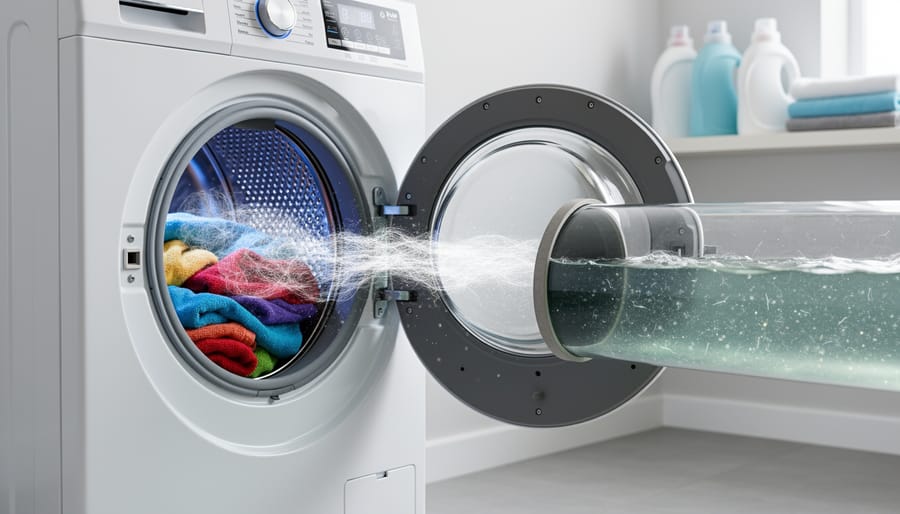
Every time you wash a synthetic garment, thousands of microscopic plastic fibers break free and flow down the drain. What are microplastics? They’re fragments smaller than five millimeters that shed from polyester, nylon, acrylic, and other petroleum-based textiles during normal wear and laundering. These particles pass through wastewater treatment plants, which aren’t designed to capture them, and end up in rivers, oceans, soil, and eventually the food chain.
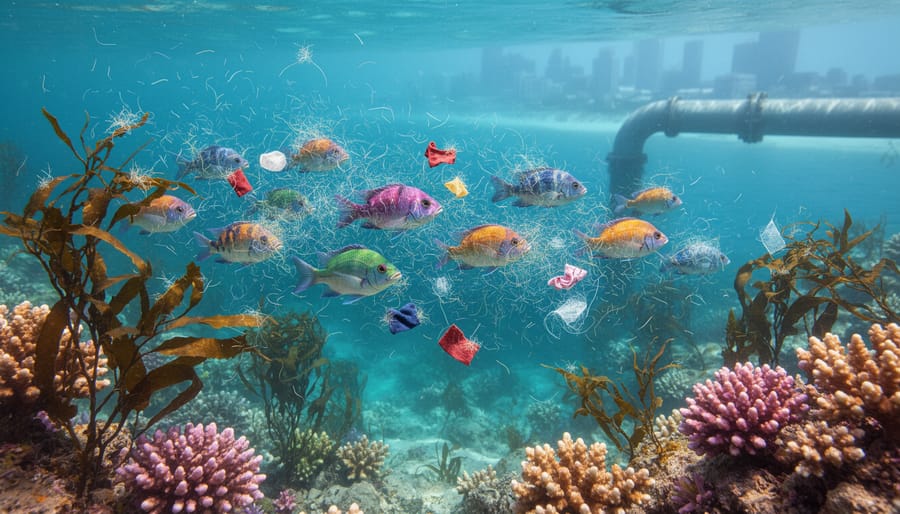
The fashion industry’s reliance on synthetic fibers has made it a major contributor to this pollution. Studies estimate that textile washing accounts for roughly 35% of primary microplastics released into oceans. Once in the water, these fibers are ingested by marine life, concentrating toxins as they move up the food web. Scientists have documented microplastics in fish, shellfish, sea salt, and drinking water. Recent research has detected these particles in human organs, raising questions about long-term health effects we’re only beginning to understand.
Brands that use predominantly synthetic materials bear responsibility for this pollution stream, regardless of other sustainability efforts. The microplastics from fast fashion problem extends beyond just polyester blouses and fleece jackets. Even garments marketed as sustainable can shed fibers if they contain synthetic content. This is where transparency becomes essential: consumers need clear information about fiber composition to make informed choices, and brands need to either shift toward natural fibers or invest in fiber-shedding solutions like tighter weaves, fabric treatments, or washing instructions that minimize release. Without this disclosure, environmental claims remain incomplete.
Categories of Environmental Claims in Fashion
Quantitative vs. Qualitative Claims
Quantitative claims require measurable proof. When a brand states it reduced carbon emissions by 30%, that number must trace back to a recognized methodology, the GHG Protocol, an ISO standard, or the Science Based Targets Initiative. These frameworks provide the testing structure that turns a marketing statement into a verifiable fact. A Life Cycle Assessment, for instance, measures water, energy and greenhouse gas emissions by tracking a product’s complete journey, giving consumers concrete data they can compare across brands.
Qualitative claims work differently. Phrases like “committed to sustainability” or “exploring circular economy principles” describe intent rather than outcomes. They don’t require the same mathematical substantiation, but they still need supporting evidence, published policies, transparency reports, or documented processes that show the claim isn’t hollow. Environmental claims about future goals demand both: substantiation showing how the target will be met and a clear plan with milestones. Without that backing, a promise becomes indistinguishable from wishful thinking, and consumers lose the ability to distinguish genuine progress from marketing language.
Future-Focused Commitments
When fashion brands pledge to reduce their environmental impact by 2030 or promise carbon neutrality by mid-century, those commitments only hold weight if they’re backed by specific, verifiable action plans. Vague promises like “working toward sustainability” or “committed to a greener future” mean little without methodological support. Under regulatory changes that took effect when the Budget 2025 Implementation Act, No. 1 received Royal Assent on March 26, 2026, businesses must substantiate future environmental claims with clear plans aligned to recognized frameworks such as the GHG Protocol, ISO standards, or Science Based Targets Initiative.
This means a brand claiming it will halve emissions by 2030 must show baseline measurements, interim milestones, and the methods they’ll use to track progress. A commitment to eliminate microplastic pollution needs tangible steps, material innovation timelines, filtration technology adoption, or fiber composition changes with documented testing protocols. Without this substantiation, forward-looking claims risk becoming marketing theater rather than accountability.
For shoppers evaluating brands like COS, ask what concrete steps support their environmental goals. Are there public interim reports? What measurement systems track progress? The difference between genuine commitment and greenwashing often lies in whether a brand treats its promises as binding obligations or aspirational rhetoric.
How These Standards Apply to Real Shopping Decisions

When shopping at COS or any contemporary fashion brand, you can apply the standards outlined earlier by systematically evaluating what brands disclose, and what they omit. Start by examining product pages for specific environmental claims. Look for quantifiable statements like “uses 30% less water than conventional production” rather than vague phrases like “eco-friendly” or “sustainable.” If a brand references Life Cycle Assessment data, check whether they’ve published methodology details or simply name-dropped the concept. COS, for instance, stated their T-shirt LCA used February to May 2022 data, a timeframe you can verify against their public reports.
Next, assess how brands address synthetic fibers and microplastic pollution. Visit the materials section of product descriptions to see whether they specify fiber composition percentages. If an item contains polyester, nylon, or acrylic, note whether the brand discusses fiber shedding or suggests sustainable laundry care practices to reduce microplastic release. Absence of this information doesn’t automatically signal greenwashing, but it reveals where transparency falls short, an important factor when deciding between brands.
To verify claims systematically, use this checklist:
- Check whether environmental statements reference recognized standards like GHG Protocol, ISO certifications, or Science Based Targets Initiative
- Look for dated evidence supporting claims, not just forward-looking promises without action plans
- Search the brand’s website for dedicated sustainability reports or transparency pages with downloadable data
- Note whether carbon footprint claims specify scope boundaries and calculation methods
- Identify if future-focused commitments include interim milestones and measurable progress indicators
When direct information isn’t available on COS’s site, reach out through their customer service channels with specific questions: What percentage of your current collection contains synthetic fibers? How do you measure fiber shedding from finished garments? What substantiation supports your environmental claims under the March 2026 regulatory changes? Brands genuinely committed to transparency will answer or direct you to resources; evasive responses merit skepticism.
Compare COS’s approach with alternatives by reading independent reviews, resources like Paka vs fast fashion analyses help you understand how different business models stack up. Cross-reference multiple sources rather than relying solely on brand messaging. If a company’s sustainability page emphasizes aspirational language but lacks data, you’ve identified a red flag. Effective shopping decisions combine what brands tell you with what they demonstrate through verifiable evidence.
What’s Missing from COS’s Transparency
Despite COS’s published Life Cycle Assessment work and sustainability messaging, several significant information gaps limit a consumer’s ability to fully verify their environmental claims.
The most pressing omission concerns specific fiber composition breakdowns across their current collection. While COS highlights sustainable materials in marketing copy, precise percentages of organic cotton, recycled polyester, or conventional synthetics aren’t consistently disclosed at the product level. This matters because fiber type directly determines microplastic shedding potential, a 70% polyester blend has dramatically different environmental impacts than a 30% synthetic garment, yet shoppers can’t always access this detail before purchase.
Traceability methods represent another unclear area. COS references supplier relationships and production standards, but they don’t publicly outline how they track materials from raw fiber through finished garment. Comprehensive traceability systems exist in the industry, brands can map cotton from specific farms or trace recycled polyester back to source facilities, but COS hasn’t detailed whether they’ve implemented such tracking or at what stages verification occurs.
The absence of regular, updated impact data also creates transparency gaps. Their Life Cycle Assessment used February to May 2022 data, and no subsequent assessments have been published. Environmental performance changes over time as production scales, suppliers shift, and new materials enter rotation. Annual or biennial updates would demonstrate ongoing commitment rather than a one-time exercise.
What would strengthen trust? Product-specific composition percentages, clear explanations of supply chain verification methods, and consistent impact reporting that shows year-over-year progress. These aren’t unreasonable expectations, they’re increasingly standard among brands serious about accountability. Without them, even well-intentioned sustainability claims remain difficult for consumers to independently verify or compare against alternatives.
Understanding the 2026 Regulatory Landscape
Canada took a significant step in consumer protection this spring when the Budget 2025 Implementation Act received Royal Assent on March 26, 2026. The legislation introduced important changes to the Competition Act that directly affect how fashion brands, including COS, can communicate their environmental efforts to shoppers.
The Budget 2025 environmental claims changes clarified what businesses must provide when making sustainability statements. While earlier draft language caused confusion by appearing to mandate “internationally recognized methodology,” the final Act removed that specific requirement. Instead, the law now requires that environmental claims align with internationally recognized testing or substantiation methods, a distinction that matters.
What does this mean practically? Businesses can’t simply declare a product “eco-friendly” without backing it up. Quantitative claims about carbon footprints, water use, or emissions reductions must be supported by established frameworks like the GHG Protocol, ISO standards, or the Science Based Targets Initiative. These are the same methodologies that serious sustainability assessments already use, and they provide the kind of rigorous, verifiable data consumers deserve.
The changes also address future-focused promises, which fashion brands frequently make. If a company announces a 2030 carbon neutrality goal or pledges to eliminate certain materials by a future date, they must provide substantiation and a clear, actionable plan. Vague aspirational statements without demonstrable progress no longer pass legal muster.
For consumers evaluating brands like COS, this regulatory shift strengthens your position. It creates legal accountability for greenwashing and gives the Competition Bureau clearer grounds to challenge misleading environmental marketing. When you ask brands for proof behind their sustainability claims, you’re not just being thorough, you’re expecting what Canadian law now requires them to provide.
Common Questions About Fashion Sustainability Claims
How do you tell whether a brand’s sustainability promise is real or just clever marketing? These questions come up constantly for conscious shoppers trying to make better choices.
What’s the difference between environmental claims and greenwashing?
Environmental claims are statements brands make about their products’ impact on the planet, like reduced water use or lower emissions. Greenwashing happens when those claims mislead consumers by exaggerating benefits, omitting important details, or making vague promises without backing them up with evidence.
Why do environmental claims matter to shoppers?
These claims directly influence purchasing decisions for consumers who want to reduce their environmental footprint through fashion choices. Without accurate information, you can’t distinguish between brands genuinely reducing harm and those simply using sustainability language as a sales tactic.
What kind of proof should back up sustainability statements?
Claims need substantiation through internationally recognized testing or methodology. Quantitative statements, like carbon footprint reductions, require frameworks such as the GHG Protocol, ISO standards, or Science Based Targets Initiative, while forward-looking promises must include clear implementation plans.
How did Canada’s Competition Act changes in 2026 affect brand accountability?
When the Budget 2025 Implementation Act received Royal Assent on March 26, 2026, it strengthened requirements around environmental claims. Businesses must now align their statements with internationally recognized testing methods, giving consumers stronger legal protection against misleading sustainability marketing.
The regulatory shift means brands face real consequences for vague or unsupported claims. If a company says their manufacturing process uses less water, they need measurement data showing exactly how much and against what baseline. “Eco-friendly” alone doesn’t cut it anymore.
For shoppers, this translates into practical power. You can ask brands specific questions: What methodology verified this claim? Where’s the data? What international standard applies? Legitimate companies will have answers readily available, often published in sustainability reports or product pages. Evasive responses or purely aspirational language without timelines should raise red flags.
The changes also affect how brands present future goals. A commitment to reduce emissions by 2030 must now include substantiation showing how they’ll achieve it, specific operational changes, investment plans, measurable checkpoints. Empty pledges won’t survive regulatory scrutiny.
Understanding these standards helps you separate authentic progress from performative gestures. When a brand like COS publishes a Life Cycle Assessment tracing water, energy and greenhouse gas emissions through production, that’s substantiation you can evaluate. When another brand uses flowery language about “caring for the planet” without specifics, that’s a signal to dig deeper or shop elsewhere.
COS presents itself as a sustainability-focused brand, and their Life Cycle Assessment work demonstrates a willingness to measure environmental impact using recognized methodologies. They’ve made specific claims about water, energy and greenhouse gas emissions tied to production data from 2022, which shows more accountability than many competitors who rely purely on aspirational language. But gaps remain, particularly around current fiber composition specifics and the microplastics question that initially prompted this review.
The March 2026 regulatory changes mean businesses must now substantiate environmental claims with internationally recognized testing methods, not just compelling marketing narratives. This shift matters for you as a shopper. You can, and should, ask brands direct questions: What percentage of your current collection contains synthetic fibers? How are you addressing microplastic shedding? What substantiation backs your sustainability claims?
Fashion Upended exists to cut through greenwashing and connect you with brands that demonstrate genuine environmental commitment through verified practices, not vague promises. When a brand falls short on transparency, we say so. When they provide measurable data and actionable plans, we recognize that too.
Your purchasing decisions shape industry behavior. Demand specifics. Look for quantitative claims backed by methodologies like the GHG Protocol or ISO standards. Question future-focused commitments that lack clear implementation plans. The brands willing to answer these questions with documentation rather than deflection are the ones moving fashion toward real sustainability.




Average Rating