
 0
0
 0
0
Finding truly sustainable outdoor apparel brands in 2026 means cutting through marketing claims to identify companies that back their green promises with verifiable action. While the outdoor industry has long traded on its connection to nature, only a handful of brands demonstrate genuine commitment to environmental responsibility through transparent supply chains, circularity programs, and durable design that extends product lifespans.
The shift matters because outdoor clothing production carries significant environmental costs. From water-intensive cotton farming to petroleum-based synthetics and chemical treatments for waterproofing, conventional manufacturing leaves a heavy footprint. That’s where the slow fashion movement intersects with outdoor gear: buying fewer, better-made pieces that last years rather than seasons.
This guide evaluates eleven outdoor apparel brands through a rigorous sustainability lens, examining everything from material sourcing to end-of-life programs. You’ll find specific details on what each company does well, where they fall short, and practical guidance for making informed purchases. Whether you’re gearing up for backcountry adventures or simply want outerwear that aligns with your values, these profiles provide the transparency needed to shop with confidence.
The outdoor clothing market has grown beyond traditional mountaineering specialists to include everyday technical wear, but not all brands treating nature as their backdrop treat it with equal respect in their business practices. Let’s separate the leaders from the laggards.
How We Evaluated These Outdoor Apparel Brands
Choosing outdoor apparel isn’t just about technical specs anymore. Today’s conscious adventurers want gear that performs without compromising the planet, but sorting genuine sustainability efforts from marketing spin takes work.
We evaluated these eleven outdoor apparel brands against five core criteria that matter for both your adventures and environmental impact:
- Material sourcing and transparency: Where fabrics come from, whether they’re organic, recycled, or responsibly harvested, and how openly brands share this information
- Manufacturing practices and labor standards: Fair wages, safe working conditions, and third-party verification like Fair Trade or Fair Wear Foundation certification
- Circularity and end-of-life programs: Repair services, take-back initiatives, and design choices that support a circular economy rather than landfill-bound products
- Brand transparency and third-party certifications: Public supply chain data, verified certifications (B-Corp, bluesign, OEKO-TEX), and honest reporting on environmental impact
- Performance quality balanced with environmental impact: Durability and technical capability that justify the environmental cost of production
We didn’t award points for vague commitments or future goals. Each brand featured here demonstrates concrete actions, not just aspirational language. Some excel in specific areas while falling short in others, we’ll highlight both strengths and gaps so you can make informed choices aligned with your priorities.
This isn’t an exhaustive industry survey, but these brands represent different approaches to balancing outdoor performance with genuine environmental responsibility. They’ve earned their place through verifiable practices, not marketing claims.
1. Arc’teryx: Canadian Craftsmanship Meets Circularity
Arc’teryx has built its reputation on a simple philosophy: make it right, make it last. Founded in North Vancouver, this Canadian brand engineers technical outerwear that performs in the harshest alpine conditions, from Gore-Tex shell jackets to insulated parkas across their men’s and women’s lines. Their footwear follows the same exacting standards, designed for stability on technical terrain.
What sets Arc’teryx apart in the sustainability conversation isn’t flashy marketing but durability by design. When a jacket costs hundreds of dollars, it needs to last years, not seasons. The brand’s construction quality reflects this, with reinforced stress points and meticulous attention to seam placement. They’ve also introduced a trade-in program that offers 30% credit when you return gently used Arc’teryx products, extending the life cycle of gear that might otherwise sit unused in a closet.
Their approach to circularity remains modest compared to some competitors. The trade-in program represents a start, but the brand hasn’t publicized comprehensive take-back or recycling systems for end-of-life products. They prioritize longevity over recyclability, which reduces waste upstream but leaves questions about what happens when even the best-built jacket finally wears out.
For those interested in deeper engagement with the brand’s craft, Arc’teryx Academy in Squamish, BC, runs August 21-23, 2026, offering hands-on workshops that connect users to the design process behind the gear.
Arc’teryx delivers on technical performance and build quality. Their sustainability story centers on making products that don’t need replacing, a valid if incomplete strategy in an industry drowning in disposable gear.
2. Patagonia: The Standard-Bearer for Environmental Activism
Patagonia has earned its reputation as the gold standard in sustainable outdoor apparel through decades of consistent action, not just marketing promises. The brand pioneered organic cotton use in 1996, published transparent factory lists long before it became industry practice, and continues to set the bar with programs that extend product life. Their Worn Wear initiative offers free repair guides and in-store repair services, directly challenging the disposability culture plaguing the apparel industry.
What truly distinguishes Patagonia is their willingness to prioritize environmental impact over growth. The company donates 1% of sales to environmental causes, publicly advocates against consumerism with campaigns like “Don’t Buy This Jacket,” and transferred ownership to a trust structure ensuring profits fund climate solutions. Their supply chain transparency includes detailed information about working conditions, environmental impact by facility, and renewable energy usage percentages at each production location.
The brand’s activism extends beyond their own operations. Patagonia files lawsuits to protect public lands, supports grassroots environmental organizations, and publishes investigative content about industry-wide sustainability challenges. Their Fair Trade certification covers 85% of sewn products, providing additional income to factory workers.
However, Patagonia isn’t without areas for improvement. While they excel at repair programs and material innovation, their end-of-life programs lag behind emerging circular models from newer competitors. The brand still relies heavily on virgin materials in technical shells, and their premium pricing limits accessibility for budget-conscious consumers seeking sustainable options. Their take-back program exists but lacks the comprehensive resale infrastructure some brands now offer.
Despite these gaps, Patagonia remains the benchmark against which other outdoor apparel brands measure their environmental commitments.
3. Fjällräven: Scandinavian Durability and Transparency
Fjällräven’s philosophy centers on creating gear that lasts decades rather than seasons. The Swedish brand, founded in 1960, built its reputation on the principle that durability is the most sustainable feature a product can have. Their signature G-1000 fabric exemplifies this approach: a tightly woven blend of organic cotton and recycled polyester that users can re-wax at home to restore water resistance, extending the garment’s life indefinitely.
What distinguishes Fjällräven from competitors is their commitment to transparency. The brand publishes detailed sustainability reports that don’t shy away from challenges. They openly discuss areas where they’re still working to improve, such as reducing chemical use in manufacturing and increasing the percentage of preferred materials across their entire product line. This honesty builds trust in an industry where many brands highlight only their successes.
Their material innovations focus on practical improvements rather than flashy marketing claims. Fjällräven has gradually shifted toward organic cotton, recycled polyester, and responsibly sourced down across their collections. The Kånken backpack, an icon since 1978, now comes in versions made from recycled bottles while maintaining the same functional design that made it popular.
The brand also operates repair centers and sells spare parts, actively encouraging customers to fix rather than replace worn items. Their “Art to Recycle” initiative transforms damaged products into unique, one-off pieces, demonstrating that extending product life can take creative forms. For outdoor enthusiasts seeking classic designs built to endure, Fjällräven offers a refreshingly straightforward approach to sustainability grounded in quality and transparency.
4. Icebreaker: Merino Wool Pioneers with Traceability
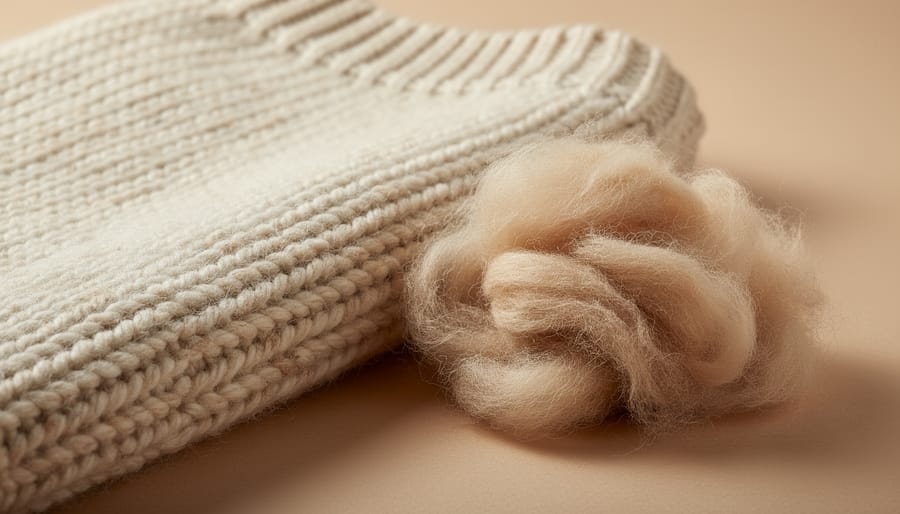
Icebreaker built its reputation on a simple premise: merino wool from New Zealand’s high country outperforms synthetic fabrics for outdoor adventures. The brand’s technical base layers, mid-layers, and accessories rely almost exclusively on this renewable natural fiber, avoiding petroleum-based materials that dominate much of the outdoor apparel market.
What sets Icebreaker apart is their Baacode traceability system. Each garment comes with a unique code that lets you trace your merino wool back to the specific New Zealand stations where the sheep grazed. You can see the farm, learn about the growers, and understand the land management practices behind your clothing. This transparency is rare in the apparel industry and addresses a fundamental trust gap between brands and eco-conscious consumers.
The brand works exclusively with growers who meet their animal welfare standards, including the ZQ Merino certification program that covers environmental, social, and animal welfare criteria. Their focus on regenerative grazing practices aims to improve soil health and sequester carbon, though the climate benefits of wool production remain complex when you account for methane emissions.
Icebreaker’s durability extends garment life considerably. Merino naturally resists odor, meaning fewer washes and longer wear between cleanings. The fibers are biodegradable at end of life, unlike synthetic alternatives that shed microplastics.
The price point sits at premium levels, reflecting the natural fiber sourcing and New Zealand production costs. For base layers and next-to-skin pieces where merino excels, the investment often proves worthwhile for serious outdoor enthusiasts who value both performance and material transparency.
5. prAna: Accessible Sustainability for Everyday Adventurers
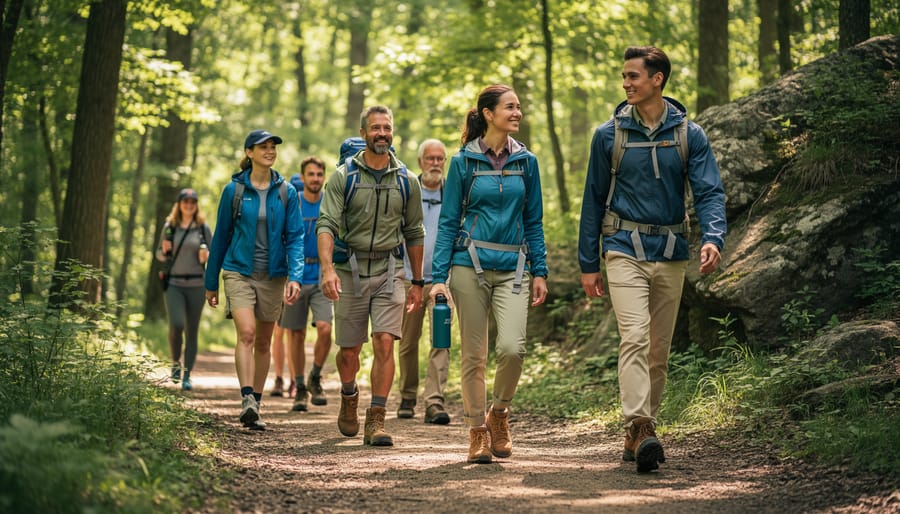
prAna positions itself in a sweet spot that many outdoor enthusiasts appreciate: sustainable gear that won’t force you to choose between your values and your budget. Founded in 1992, this California-based brand built its reputation on yoga-inspired climbing pants and has since expanded into a full range of outdoor apparel that prioritizes accessibility without abandoning environmental commitments.
The brand’s sustainability foundation rests on three core pillars. First, Fair Trade Certified factories manufacture many of their garments, ensuring workers receive premium pay and safe conditions. Second, prAna uses organic cotton extensively across their line, reducing pesticide use and water consumption compared to conventional cotton production. Third, they’ve integrated recycled materials into technical pieces like their Zion hiking pants and packable jackets, giving plastic waste a second life as performance fabric.
What distinguishes prAna from premium outdoor brands is their pricing strategy. You’ll find their organic cotton tees in the $30-50 range and technical pants around $80-120, significantly below Arc’teryx or Patagonia price points while maintaining Fair Trade standards. This makes sustainable outdoor apparel approachable for people who can’t justify $300 jackets but still want to support responsible manufacturing.
The trade-off shows up in durability expectations. prAna’s gear performs well for casual hikers and everyday adventurers, but won’t necessarily withstand the same abuse as heavier-duty brands built for extreme conditions. Their repair program exists but isn’t as robust as industry leaders, and some pieces use blended fabrics rather than mono-materials, complicating end-of-life recycling.
For weekend warriors and conscious consumers entering the outdoor world, prAna offers a legitimate entry point into sustainable gear without the sticker shock.
6. Picture Organic Clothing: European Innovation in Eco-Design
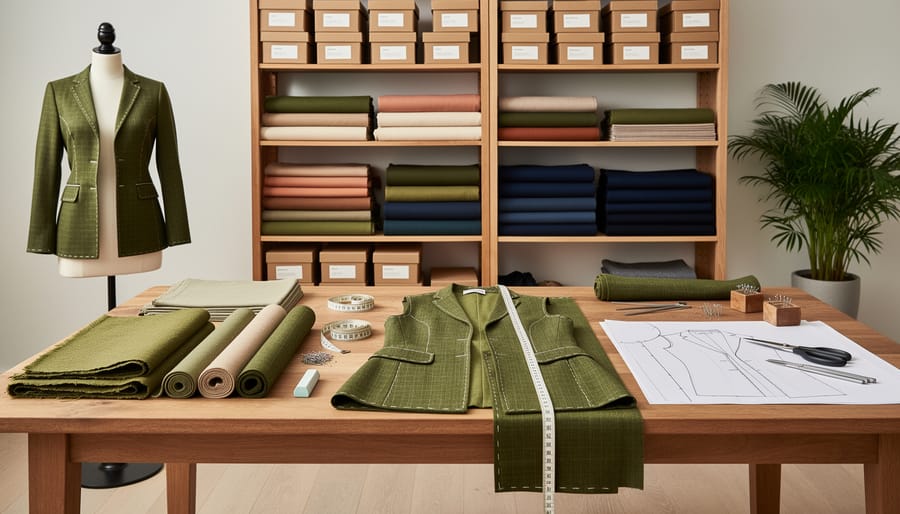
Picture Organic Clothing emerged from the French Alps in 2008 with a straightforward mission: prove that technical outdoor performance doesn’t require compromising environmental principles. The brand has built its reputation on using exclusively organic, recycled, or bio-sourced materials across its entire range of ski wear, snowboard gear, and outdoor apparel.
Their material innovation starts at the fiber level. Picture was among the first outdoor brands to achieve GOTS certification for organic cotton across their entire clothing line, and they’ve pushed further by developing proprietary fabrics like Recycled EcoFur made from recycled PET bottles. Their technical shells incorporate recycled polyester membranes that match conventional performance metrics while diverting waste from landfills.
What sets Picture apart is their transparency around the less glamorous aspects of outdoor gear production. They publish detailed lifecycle assessments for their products and openly acknowledge where they’re still working to improve, particularly around DWR treatments and end-of-life solutions for laminated fabrics. Their Responsible Down Standard certification ensures traceable, ethically sourced insulation, while their partnerships with Bluesign-approved suppliers demonstrate serious commitment to chemical management in textile processing.
The brand also prioritizes longevity through timeless design and repair services, countering the outdoor industry’s tendency toward seasonal obsolescence. Picture’s approach appeals to riders who want genuinely sustainable options without sacrificing the waterproofing, breathability, and durability that backcountry conditions demand. They’ve demonstrated that European eco-design principles can translate into gear that performs when it matters most.
7. Finisterre: Ocean-First British Design
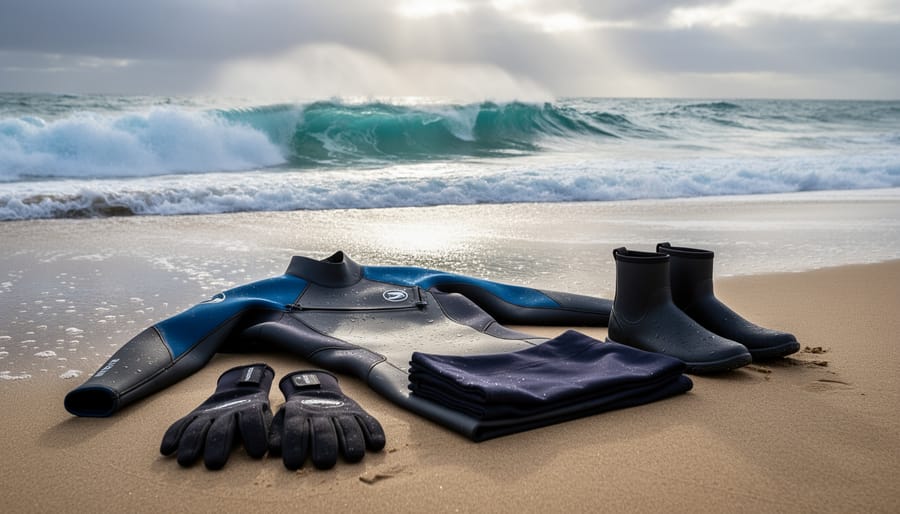
Founded in 2003 by British surfer Tom Kay, Finisterre built its reputation on a simple premise: create gear that protects those who protect the ocean. The Cornwall-based brand designs for cold-water environments where performance failures aren’t just inconvenient, they’re dangerous.
Their material innovation focuses on function-driven sustainability. The company developed Econyl regenerated nylon from fishing nets and fabric waste for their wetsuits and outerwear, directly addressing ocean pollution while meeting the demands of North Atlantic conditions. Their insulated jackets use PrimaLoft Gold insulation made from 100% post-consumer recycled content, proving warmth doesn’t require virgin synthetics.
Finisterre publishes detailed supply chain information through their Product Disclosure Reports, mapping every stage from fiber to finished garment. You can trace individual products to specific factories, seeing exactly where and how each piece was made. This transparency extends to their environmental impact data, which they update annually without the vague language common in outdoor marketing.
The brand’s repair service reflects a design philosophy centered on longevity. They’ll fix anything from simple zipper replacements to complex seam repairs, and their website includes detailed care guides to extend product life. For items beyond repair, they offer a take-back scheme that recycles materials into new products rather than sending them to landfill.
Finisterre serves cold-water surfers, sailors, and coastal adventurers who need technical performance from brands that understand ocean ecosystems aren’t just playgrounds, they’re fragile environments worth protecting.
8. Houdini Sportswear: Circular Economy Leaders from Sweden
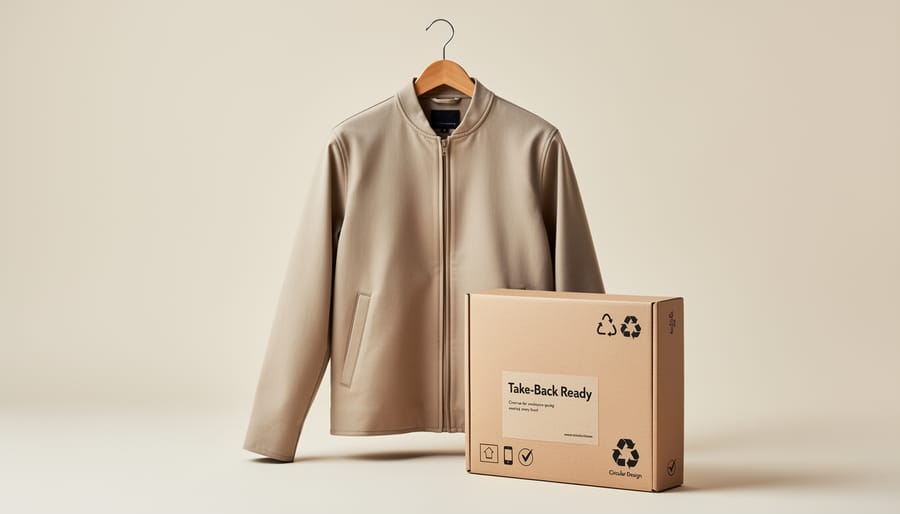
Houdini Sportswear takes circularity beyond marketing spin. Founded in 1993 in Stockholm, the Swedish brand designs every garment with its eventual return in mind, treating clothing as material resources to be used, returned, and remanufactured.
Their mono-material approach sets them apart. Instead of blending fibers that can’t be separated for recycling, Houdini constructs many products from single materials like 100% merino wool or 100% recycled polyester. This deliberate simplification makes genuine recycling technically feasible rather than aspirational. When a Houdini jacket reaches end-of-life, the material can actually be broken down and remade into new fiber.
The brand operates a comprehensive take-back program where customers return worn-out items to any Houdini retailer or by mail. Products in good condition enter their second-hand market. Damaged items get sorted by material type: those made from mono-materials go to recycling partners who break them down to raw fiber, while blended materials currently get downcycled or responsibly disposed of until better recycling technology emerges.
Houdini publishes detailed product circularity data, showing exactly which items qualify for fiber-to-fiber recycling and which don’t. This transparency exposes the industry’s uncomfortable truth: most technical fabrics still can’t be truly recycled, only downcycled into lower-grade applications.
Their design choices reflect this honesty. They’ve eliminated unnecessary features, reduced colorways to minimize dye waste, and prioritized durability over fashion cycles. The result is gear that lasts longer and creates a genuine pathway back into the production cycle when it finally wears out.
9. Vaude: German Engineering Meets Green Goals
Vaude’s approach to sustainability reads like a meticulous German engineering blueprint, comprehensive, measurable, and backed by transparent data. This family-owned company based in Bavaria has built its reputation on systematic environmental responsibility that extends far beyond marketing claims.
The brand achieves climate-neutral production across its European facilities, a concrete commitment verified through third-party assessment. As a longtime member of the Fair Wear Foundation, Vaude maintains rigorous labor standards throughout its supply chain, publishing detailed reports on factory conditions and worker wages. This level of transparency remains rare in outdoor apparel, even among brands that claim sustainability credentials.
Vaude’s material choices prioritize bluesign-certified fabrics and recycled fibers, while their product lines span technical mountaineering gear to everyday outdoor wear. The company’s Green Shape label marks items meeting their strictest environmental and functional standards, giving consumers a clear decision framework.
Where Vaude particularly excels is accountability. Their annual sustainability report details both achievements and shortcomings with unusual candor, including specific percentages of sustainable materials used and carbon footprint calculations. They’ve also implemented take-back programs and repair services to extend product life, an approach that pairs well with proper sustainable laundry care to maximize garment longevity.
The trade-off? Vaude’s aesthetic leans conservative compared to newer brands, and North American availability remains limited. But for adventurers prioritizing verifiable environmental performance over trendy designs, Vaude delivers substance backed by decades of consistent action.
10. Cotopaxi: Social Impact and Adventure Combined
Cotopaxi stands apart in the outdoor apparel landscape by putting poverty alleviation at the center of its mission. As a certified B-Corporation, the Utah-based company commits 1% of annual revenue to the Cotopaxi Foundation, which supports community development projects in Latin America and other regions where many outdoor industry workers live. This social-first approach permeates everything from supply chain decisions to product design.
The brand’s signature aesthetic, vibrant, color-blocked gear, isn’t just eye-catching. Much of Cotopaxi’s distinctiveness comes from their Del Día collection, which uses remnant fabrics from other manufacturers that would otherwise go to waste. Each piece is unique because they work with whatever surplus materials are available, reducing textile waste while creating jobs in factories that might otherwise struggle with inconsistent orders. It’s upcycling with a purpose beyond trendy sustainability messaging.
Environmentally, Cotopaxi uses recycled polyester and responsibly sourced down in many products, though their material mix isn’t as uniformly sustainable as some competitors. They’ve made commitments to eliminate virgin polyester by 2025 and address issues like microplastics in fabric through better washing guidance and design choices. Their transparency reports detail both progress and shortcomings with unusual candor.
The real question for conscious consumers: does social impact compensate for environmental practices that lag behind brands like Patagonia or Houdini? For those who prioritize human welfare alongside planetary health, Cotopaxi offers a compelling, if imperfect, balance. Their gear performs well for weekend adventurers and everyday use, making sustainability accessible without requiring premium technical performance.
11. tentree: Planting Trees with Every Purchase
tentree has built its brand identity around a simple promise: for every item purchased, ten trees get planted. Founded in 2012, this Canadian company has made tree planting its cornerstone sustainability metric, planting over 100 million trees to date across restoration projects in countries including Madagascar, Kenya, and Indonesia. The visual appeal is undeniable, customers receive a tree code to track where their trees were planted, creating a tangible connection between purchase and environmental action.
Beyond the headline numbers, tentree demonstrates genuine commitment to sustainable materials. Their collection relies heavily on organic cotton, recycled polyester, and Tencel lyocell, with transparent supply chain disclosures published on their website. They’ve partnered with bluesign-approved fabric suppliers and maintain detailed environmental impact data for individual products, showing water saved and carbon offset through material choices. The brand also incorporates recycled clothing fibers into their technical pieces, reducing virgin material dependence.
The critical question: does tree planting offset the environmental cost of producing new clothing? While reforestation provides measurable carbon sequestration and biodiversity benefits, it doesn’t eliminate the water, energy, and chemical inputs required for garment production. tentree acknowledges this complexity by also focusing on material innovation and longevity design, but the tree-planting metric remains their primary marketing message.
For consumers drawn to the reforestation model, tentree offers accessible price points and genuinely sustainable materials. Just recognize that planting trees, while valuable, doesn’t make production impact disappear, it’s one piece of a larger environmental equation that includes choosing durable items you’ll actually wear.
What to Watch Out for in Outdoor Apparel Sustainability Claims
Even brands on this list aren’t perfect, and countless others make far bolder claims with far less substance. The outdoor industry’s sustainability conversation is crowded with aspirational language that sounds impressive but reveals little about actual impact. When a brand uses terms like “eco-conscious,” “green,” or “earth-friendly” without explaining what that means in measurable terms, you’re looking at marketing, not accountability.
Ask specific questions. What percentage of materials are organic, recycled, or responsibly sourced? Which factories make the products, and under what labor standards? Does the brand publish an annual impact report with actual data, or just feature green imagery in campaigns? Third-party certifications like Fair Trade, bluesign, or B-Corp status require brands to meet verified standards and submit to external audits. Their presence isn’t automatic proof of perfection, but their absence alongside sweeping sustainability claims should make you pause.
Check whether a brand offers repair services, take-back programs, or transparent information about product lifespan. Companies genuinely committed to sustainability design for longevity and circularity, not just for the initial sale. If you can’t find clear answers on a brand’s website or through independent sources, that opacity itself tells you something. Trust brands that show their work, admit their challenges, and provide evidence you can verify.
Making Your Choice: Performance, Ethics, and Budget
Choosing the right outdoor apparel brand isn’t about finding one perfect answer, it’s about matching your priorities across three dimensions.
Start with your activity demands. Alpine climbers and backcountry skiers need different technical specs than casual hikers or urban explorers. Arc’teryx and Houdini excel in extreme conditions, while prAna and tentree suit less technical adventures. Don’t pay for Gore-Tex if you’re walking groomed trails.
Next, clarify your ethics. If supply chain transparency matters most, prioritize Patagonia, Icebreaker, or Vaude. For circular economy commitment, look at Houdini’s take-back programs or Arc’teryx’s trade-in credit. If social impact drives you, Cotopaxi’s B-Corp model might resonate more than pure environmental metrics.
Budget reality: sustainable gear costs more upfront but typically lasts longer. Calculate cost-per-wear rather than sticker price. A $400 jacket worn 200 days beats a $100 jacket replaced three times. Consider buying secondhand from brands with strong resale markets, or waiting for seasonal sales from transparent retailers.
Mix and match brands based on garment type. Your shell jacket might come from one brand, base layers from another. Build your kit strategically rather than brand loyalty.
Frequently Asked Questions
Choosing outdoor apparel based on sustainability credentials raises questions that go beyond brand names and marketing promises. Here’s what matters when you’re evaluating claims and caring for your gear.
What certifications should I look for when buying outdoor apparel?
Prioritize third-party certifications like Fair Trade, bluesign, Global Organic Textile Standard (GOTS), and B-Corp status, which require independent verification. Also look for Responsible Down Standard (RDS) for insulation and OEKO-TEX for chemical safety, as these indicate meaningful oversight rather than self-declared commitments.
How do I properly care for sustainable outdoor gear to maximize its lifespan?
Wash technical fabrics less frequently, use cold water and specialized detergents designed for performance materials, and air-dry whenever possible to preserve both the fabric integrity and waterproof coatings. Repair minor damage immediately with patches or seam sealers rather than replacing items, and follow manufacturer care instructions precisely to avoid voiding warranties or damaging specialized treatments.
Are more expensive outdoor brands automatically more sustainable?
Not necessarily, price often reflects performance features, brand positioning, or retailer markup rather than sustainability practices alone. Some mid-range brands implement robust environmental programs while certain premium brands lag behind, so evaluate each company’s specific commitments, transparency reports, and third-party certifications rather than assuming price equals ethics.
How can I verify a brand’s sustainability claims beyond their website?
Check independent certification databases, read annual sustainability or impact reports (which detailed brands publish publicly), and search for third-party investigations or ratings from organizations like Good On You or the Sustainable Apparel Coalition. Look for specific, measurable commitments with timelines rather than vague aspirational language, and be wary of brands that can’t provide transparent supply chain information.
When you encounter a brand not on this list, apply the same evaluation criteria we used here. Ask whether they publish transparent supply chain data, pursue legitimate certifications, offer repair or take-back programs, and demonstrate accountability through third-party verification. The outdoor industry continues evolving, and new brands genuinely committed to sustainability emerge regularly, but so do opportunistic ones using green marketing without substance. Your scrutiny drives the industry toward real change, so treat sustainability claims as the starting point for investigation, not the conclusion.
Choosing outdoor apparel isn’t just about keeping warm and dry on your next adventure. It’s a statement about the future we’re building together. The brands profiled here prove that exceptional performance and genuine environmental responsibility can coexist, but only when companies commit to transparency and follow through on their promises.
As you evaluate options, demand specifics. Ask for material sourcing details, certifications, and measurable circularity programs. Don’t settle for vague green marketing. Your purchasing decisions send a powerful message to the industry about what matters.
Start with one or two pieces from brands whose values align with yours. Invest in quality over quantity, care for your gear properly, and repair rather than replace when possible. These choices ripple outward, supporting companies that prioritize the planet while challenging others to raise their standards. The trails we love depend on it.




Average Rating