 0
 0
Finding truly ethical and sustainable fashion brands in 2026 means looking past marketing claims and verifying specific certifications, supply chain transparency, and measurable environmental practices. The key method is a three-step verification process: check for third-party certifications like Fair Trade or GOTS, examine the brand’s transparency about wages and working conditions, and review concrete data on materials and carbon footprint rather than vague “eco-friendly” language.
The fashion industry has caught on to consumer demand for sustainability, but not every brand claiming to be green actually walks the walk. Greenwashing has become sophisticated, with carefully crafted marketing that sounds responsible but lacks substance. A brand might tout a single recycled collection while the rest of its production remains unchanged, or use terms like “conscious” without defining what that means in practice.
You deserve to know where your money goes and what impact your clothing has on people and the planet. The difference between authentic sustainability and clever marketing often comes down to verifiable facts: Does the brand publish its factory list? Can you trace where materials come from? Are workers paid a living wage, not just minimum wage?
This guide gives you the tools to cut through the noise. You’ll learn which certifications actually matter, what red flags signal greenwashing, and how to evaluate brands step by step. Understanding what is slow fashion provides essential context for why this verification process matters, since genuine ethical brands operate on fundamentally different principles than fast fashion companies applying a green veneer.
What You Need to Evaluate Fashion Brands Effectively
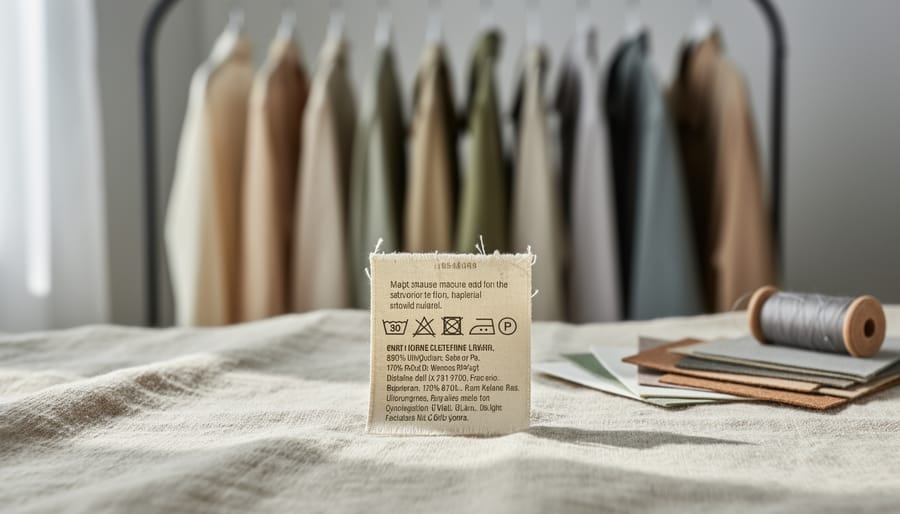
Before you can confidently assess whether a fashion brand truly walks the talk, you need the right toolkit. Relying on a brand’s marketing alone won’t cut it, greenwashing is rampant, and vague claims like “eco-friendly” or “conscious collection” often mean nothing concrete. Instead, gather credible, independent resources that let you verify claims from multiple angles.
Start with third-party certification databases. Legitimate certifications, such as GOTS (Global Organic Textile Standard) for organic fibers, Fair Trade for worker welfare, or B Corp for holistic social and environmental performance, provide standardized benchmarks. You can verify these certifications directly through the issuing organizations’ websites, ensuring a brand hasn’t simply slapped a badge on its homepage without earning it.
Next, familiarize yourself with independent rating platforms and transparency tools. While traditional sustainability ratings have limitations, they still offer a useful starting point for comparing brands. Fashion Revolution’s Transparency Index, for example, scores major brands on how openly they disclose supply chain practices, while Good On You aggregates labor, environmental, and animal welfare data into accessible brand ratings. These platforms compile information you’d otherwise spend hours hunting down yourself.
You’ll also want to know where to find brand-specific transparency disclosures. Most responsible brands publish annual impact reports, supplier lists, or dedicated sustainability pages detailing materials, carbon footprints, and labor practices. Bookmark these resources for the brands you’re researching, they’re your primary evidence.
Essential resources to consult include:
- B Corp certification directory for verified social and environmental accountability
- Fair Trade International and Fair Wear Foundation for labor rights verification
- GOTS and OEKO-TEX databases for organic and safe textile certifications
- Fashion Revolution’s Transparency Index for supply chain disclosure scores
- Good On You app and website for aggregated brand sustainability ratings
- Brand websites’ sustainability or impact sections for self-reported data
- Open Apparel Registry for publicly mapped supply chain facilities
Having these tools at hand transforms your research from guesswork into systematic verification. You won’t need all of them for every brand, but knowing what exists means you can cross-check claims and spot inconsistencies. The goal is to build confidence through triangulation, when multiple independent sources confirm a brand’s practices, you’re on solid ground.
Red Flags and Warning Signs to Watch For
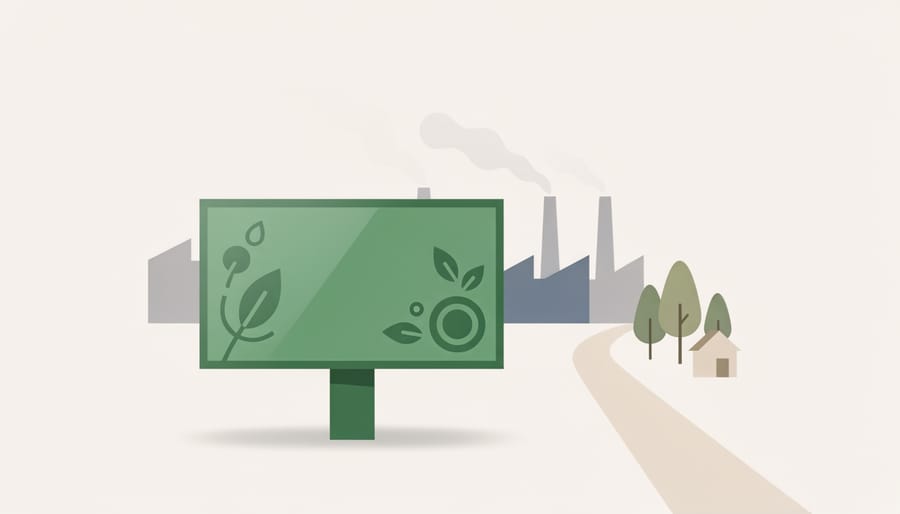
Before you can verify a brand’s credentials, you need to recognize the warning signs that suggest a company may be exaggerating or fabricating its sustainability story. Greenwashing has become sophisticated, but certain patterns consistently appear when brands prioritize marketing over meaningful action.
Vague, undefined language is the most common red flag. Terms like “eco-friendly,” “sustainable,” “conscious,” and “natural” sound appealing but mean nothing without specifics. A genuinely committed brand explains exactly which materials are organic, which processes reduce water use by what percentage, or how workers benefit from fair trade premiums. When you see buzzwords floating alone on a website, disconnected from measurable outcomes, certifications, or transparent supply chain information, skepticism is warranted.
Watch for collections marketed as sustainable that represent a tiny fraction of the brand’s overall production. A fast-fashion giant might launch a heavily promoted “green line” using recycled polyester while continuing to churn out millions of conventional garments weekly. This tactic, sometimes called “greenlabeling,” lets companies claim sustainability credentials without changing their core business model. Check whether sustainable practices apply across the entire brand or just serve as a marketing hook.
Self-created certification badges raise immediate concerns. Legitimate certifications come from independent third parties with rigorous standards, organizations like Fair Trade International, GOTS, or Bluesign. Brands that invent their own sustainability seals or use official-looking logos they designed in-house are attempting to mimic credibility without earning it. If you cannot find the certification body’s website or verification database, the badge is likely meaningless.
Missing information matters as much as misleading claims. Brands genuinely committed to transparency publish supplier lists, factory locations, wage data, and environmental impact metrics, even when imperfect. Companies that provide no supply chain details, refuse to disclose where products are made, or offer only glossy marketing statements about their values are choosing opacity. Transparency requires vulnerability; its absence suggests the brand has something to hide.
Step-by-Step: How to Verify a Brand’s Sustainability Claims
Step 1: Review the Brand’s Own Transparency Disclosures
Start by examining the brand’s website for dedicated sustainability or impact pages. Genuine brands publish detailed information freely, you shouldn’t need to dig through buried PDFs or submit contact forms to access basic transparency data.
Look for specifics in their materials sourcing. A credible brand names exact fabrics (not just “eco-friendly materials”), identifies fiber suppliers, and explains why they chose each material. They’ll quantify their impact: “78% organic cotton, certified by GOTS” beats vague claims like “made with sustainable fabrics.”
Supplier transparency separates leaders from followers. Brands committed to accountability publish supplier lists, factory names, locations, sometimes tier-two suppliers beyond the final assembly stage. This level of disclosure indicates they know their supply chain and aren’t hiding problematic labor conditions.
Annual impact reports reveal substance. Real reports include measurable data: carbon emissions in tonnes, water usage in liters, wage levels compared to living wage benchmarks, progress against stated goals. They acknowledge shortfalls alongside achievements. Marketing spin, by contrast, showcases feel-good stories without numbers, celebrates intentions rather than results, and avoids uncomfortable metrics like worker turnover or chemical discharge.
Check publication dates. Brands genuinely tracking progress update this information annually. Outdated sustainability pages suggest the commitment was performative rather than operational.
Step 2: Check for Recognized Third-Party Certifications
Third-party certifications act as your shortcut to verification, but only if they’re legitimate. Start by looking for well-established labels: GOTS (Global Organic Textile Standard) for organic fibers, Fair Trade Certified for worker welfare, B Corp for holistic social and environmental performance, and Bluesign for chemical safety. These require independent audits and ongoing compliance checks. You can verify any certification by visiting the issuing organization’s website and searching their registry of certified companies.
Watch out for vague badges like “eco-friendly” or “green certified” without a recognizable issuer name. Many brands create proprietary seals that sound official but answer to no external authority. Learn to distinguish between trustworthy vs fake certifications by checking whether the certification body is independent, publishes clear standards, and maintains a public database.
Don’t assume one certification covers everything. A GOTS label confirms organic cotton but says nothing about factory wages. Carbon-neutral claims may offset emissions without reducing them. Cross-reference multiple certifications to build a complete picture, and remember that smaller ethical brands may lack certification simply because the process is expensive, absence doesn’t always equal failure, which is why you need the full five-step verification process.
Step 3: Investigate Labor Practices and Worker Welfare
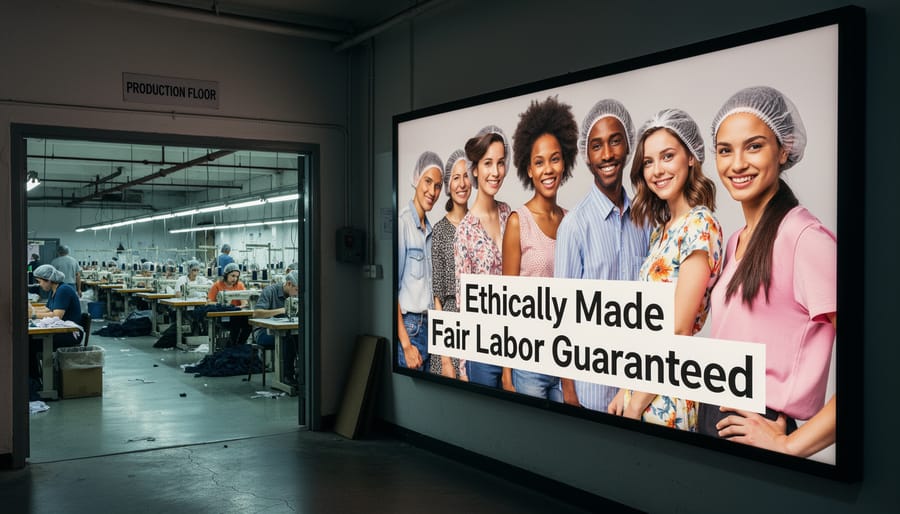
Start by examining the brand’s labor policies and supply chain documentation. Look for specific commitments to living wages rather than vague promises of “fair pay”, brands serious about worker welfare publish wage data or reference established living wage benchmarks for each production region. Safe working conditions should be detailed with information about factory certifications, health protocols, and worker representation systems.
Search for independent labor audits from organizations like the Fair Labor Association or SA8000 certification bodies. These third-party assessments carry more weight than brand-commissioned audits, which may overlook problems. Check whether audit results are publicly available and include corrective action plans, not just pass/fail ratings.
Worker testimonials provide ground truth. Platforms like Worker Rights Consortium and Fashion Revolution’s transparency reports sometimes include direct worker feedback. Social media and labor rights news outlets occasionally feature interviews with garment workers discussing specific brands and factories.
Investigate the brand’s response to labor controversies. How they handled past incidents reveals their true priorities. Genuine commitment shows through prompt remediation, policy changes, and ongoing monitoring, not just public apologies.
Finally, verify union rights and freedom of association. Brands that support collective bargaining demonstrate respect for worker agency. If a company operates exclusively in regions where unions are banned or suppressed without clear worker empowerment alternatives, that warrants serious scrutiny.
Step 4: Assess Environmental Impact and Materials
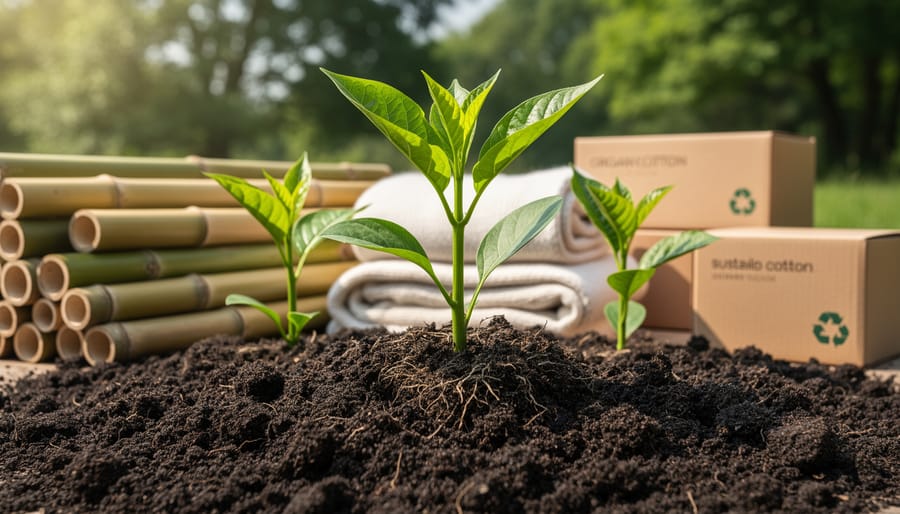
Start by checking the brand’s materials page or product descriptions for specific fiber content. Look for organic cotton, linen, hemp, recycled polyester, or TENCEL, and verify these claims against certifications (GOTS, GRS, FSC). Steer clear of vague terms like “eco-friendly fabric” without supporting details.
Next, review environmental impact reports if published. Brands serious about sustainability often disclose water usage per garment, greenhouse gas emissions, and chemical management policies. Check whether they’ve conducted lifecycle assessments (LCAs) showing environmental footprint from raw material to end-of-life. If you can’t find this data, it’s a red flag.
Investigate how the brand addresses the microplastics impact of synthetic fabrics, do they use filtration systems, alternative fibers, or consumer education about washing? Look for waste management practices: do they use factory offcuts creatively, offer repair services, or participate in take-back programs aligned with circular economy principles?
Cross-check material claims with independent databases like the Higg Materials Sustainability Index or Made-By’s environmental benchmark. If a brand touts “innovative sustainable materials” but provides no third-party validation or transparent sourcing information, remain skeptical. Genuine environmental commitment shows up in detailed, verifiable disclosures, not marketing buzzwords.
Step 5: Cross-Reference with Independent Evaluators
By now you’ve gathered the brand’s own disclosures, checked their certifications, and researched their labor and environmental practices. The final step is to verify all of this through independent sources that have no financial stake in promoting the brand.
Start with established sustainability rating platforms like Good On You, which scores fashion brands on environmental impact, labor conditions, and animal welfare using a five-point scale. The Ethical Fashion Guide and Rank a Brand offer similar evaluations based on publicly available data and third-party audits. These platforms often explain their methodology, so you understand exactly what criteria they’re assessing.
Don’t stop at one source. Cross-reference ratings across multiple platforms, if a brand scores well on Good On You but poorly on Rank a Brand, investigate why the assessments differ. Sometimes one platform has access to newer information or weighs certain factors differently.
Consult watchdog organizations like Fashion Revolution, which publishes an annual Fashion Transparency Index ranking major brands on supply chain disclosure. Clean Clothes Campaign investigates labor rights violations and publishes reports on specific companies and factories.
Finally, seek out community voices. Reddit’s r/SustainableFashion and similar forums often feature firsthand experiences from garment workers, sustainability professionals, and informed consumers who’ve researched brands extensively. While anecdotal, these perspectives can reveal issues that official reports miss.
How to Confirm You’ve Found a Genuinely Ethical Brand
After completing your research across all five verification steps, you need a clear framework to make a final determination. Start by creating a simple scorecard: assign points for each verified certification, transparent disclosure, independent audit, and concrete environmental metric. A genuinely ethical brand will score well across multiple categories, not just excel in one area while hiding weaknesses elsewhere.
Weigh competing priorities based on your personal values. Some brands achieve carbon neutrality but struggle with living wage implementation; others excel at worker welfare but use less sustainable materials. Neither approach is inherently wrong, what matters is honest reporting of trade-offs rather than claiming perfection. Look for brands that acknowledge their shortcomings and publish improvement timelines. A company admitting it has not yet achieved zero waste but showing year-over-year progress with specific targets is more trustworthy than one making sweeping claims without evidence.
Once you identify a genuinely ethical brand, supporting them extends beyond a single purchase. Subscribe to their sustainability updates to track ongoing commitments. Many responsible brands publish annual impact reports; review these to confirm continued progress rather than resting on past achievements. Pay attention to ownership changes, which can alter sustainability priorities overnight.
Your ongoing vigilance matters. Set calendar reminders to re-check certifications annually, since some expire or get revoked. Follow independent watchdog organizations on social media for alerts about brands failing audits or facing labor complaints. Even companies with strong track records can backslide. Consider laundry sustainability practices as well, properly caring for ethically-made garments extends their life and maximizes your positive impact.
Join online communities of conscious consumers where members share brand updates, new certifications, and concerning developments. This collective knowledge helps you stay informed without spending hours repeating research you have already completed.
Common Questions About Sustainable Fashion Brands
Are sustainable fashion brands truly more expensive, or is that a misconception? Can you trust certifications to stay current? What happens when a brand excels on labor rights but lags on environmental impact, or the reverse? These questions come up constantly when you’re trying to make responsible purchasing decisions, and they deserve straightforward answers.
Are sustainable brands always more expensive?
Not always. While some ethical brands carry higher price tags due to fair wages and quality materials, others compete directly with fast fashion through efficient production and transparent pricing. Cost per wear often makes sustainable pieces more economical long-term.
How often do certifications get updated or audited?
Most legitimate certifications require annual or biannual renewal audits to maintain validity. Check the certification database directly to confirm a brand’s current status, as credentials can lapse or be revoked if standards aren’t maintained.
What if a brand is strong on ethics but weak on environmental impact?
This trade-off is common, especially among smaller producers prioritizing fair wages over carbon neutrality. Decide which values matter most to you personally, and consider whether the brand shows genuine progress toward addressing its weaker areas over time.
Can small or emerging brands be verified as easily as large ones?
Small brands often lack formal certifications due to cost but may offer direct transparency through detailed supplier information and personal communication. Their size can actually make verification easier, you can often contact founders directly and visit production facilities.
Tracking brand changes over time matters because companies evolve. A brand that earned your trust in 2024 might shift ownership, change suppliers, or alter materials by 2026. Set calendar reminders to revisit your favorite brands’ transparency reports annually. Follow them on social media and subscribe to sustainability-focused newsletters that flag industry shifts. If a brand stops publishing impact data or becomes vague about sourcing after years of transparency, that’s a warning sign worth investigating.
When you can’t find perfect alignment across all sustainability dimensions, prioritize based on your values and the garment type. A winter coat you’ll wear for a decade justifies focusing on durability and material quality. Basics like t-shirts might prioritize organic cotton and fair labor. Occasional pieces could emphasize innovative recycled materials. You’re not looking for flawless brands, you’re building a wardrobe where each choice reflects intentional trade-offs you understand and accept.
You now have the tools to cut through greenwashing and find fashion brands that genuinely align with your values. By systematically verifying transparency disclosures, checking certifications, investigating labor practices, assessing environmental impact, and consulting independent evaluators, you can make purchasing decisions with confidence.
Every time you support a truly ethical brand, you send a clear market signal. You are telling the fashion industry that transparency matters, that workers deserve fair treatment, and that environmental responsibility is not negotiable. Collective consumer pressure has already pushed major brands to publish supplier lists and adopt better practices. Your choices contribute to that momentum.
The landscape of ethical fashion in 2026 is more accessible than ever before. Verification platforms are easier to use, certifications are more standardized, and genuinely sustainable brands are expanding their reach and lowering price barriers. Stay curious, keep learning as standards evolve, and connect with communities who share your commitment to conscious consumption. The fashion industry will continue changing because informed consumers like you demand better.



Average Rating