

 0
0
 0
0
A vegan fashion brand creates clothing, shoes, and accessories without using any animal-derived materials like leather, wool, silk, fur, or exotic skins. This means no cow hides, no cashmere sweaters, no silk blouses, and no suede boots. Instead, these brands rely on plant-based alternatives, recycled synthetics, and innovative lab-grown materials to deliver style without animal exploitation.
The distinction matters because vegan doesn’t automatically mean sustainable. A polyester jacket might be free of animal products, but if it’s made from virgin petroleum and produced in a factory with poor labor practices, it’s hardly ethical. That’s the gap many shoppers fall into when they start searching for cruelty-free fashion. They assume vegan equals eco-friendly, then discover that some synthetic leathers have a carbon footprint worse than conventional leather, or that “vegan” labels get slapped on fast-fashion products that fall apart after three wears.
Finding truly responsible vegan fashion brands requires looking beyond the absence of animal materials. You need transparency about supply chains, certifications that verify claims, and materials that don’t just avoid animal harm but also minimize environmental damage. The brands worth your attention are the ones willing to show their work: disclosing factories, publishing impact reports, and investing in materials like organic cotton, Tencel, recycled polyester, or emerging bio-based leathers made from mushrooms, cactus, and pineapple leaves.
This guide cuts through the greenwashing. We’ll show you exactly what separates genuinely ethical vegan brands from those simply capitalizing on consumer interest, introduce you to companies making real commitments to people and planet, and give you a practical framework for evaluating any brand before you buy.
Understanding Vegan Fashion: Beyond Animal-Free Materials
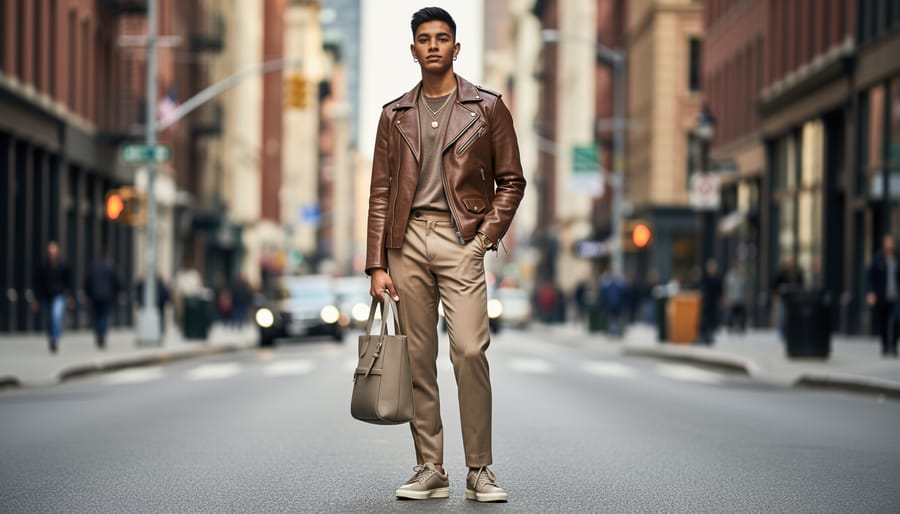
Vegan fashion brands exclude all materials derived from animals. That means no leather, wool, silk, fur, down, feathers, mohair, cashmere, angora, shearling, suede, or exotic skins like python, crocodile, or ostrich. Even less obvious animal-derived components matter: bone buttons, horn embellishments, animal glues in adhesives, and dyes like carmine (made from crushed insects) disqualify a product from being truly vegan.
In place of these traditional materials, vegan brands use alternatives ranging from synthetic fabrics to innovative plant-based textiles. Cotton, linen, hemp, and Tencel replace animal fibers in clothing. Instead of leather, you’ll find polyurethane (PU), polyvinyl chloride (PVC), or newer materials made from mushrooms, cacti, apples, and grapes. Down jackets get filled with synthetic insulation or recycled polyester instead of bird feathers.
Here’s where many consumers get tripped up: vegan and sustainable are not synonyms. A brand can be completely animal-free while still causing significant environmental harm or exploiting workers. A vegan leather jacket made from virgin PVC in a polluting factory with underpaid labor is ethically problematic despite containing no animal products. Similarly, fast fashion companies can produce vegan items at breakneck speed, encouraging overconsumption and generating textile waste that clogs landfills for decades.
Sustainability encompasses a much broader set of concerns than animal welfare alone. It includes carbon emissions, water usage, chemical pollution, microplastic shedding, biodegradability, worker safety and fair wages, supply chain transparency, and circular design principles. A vegan brand might use plant-based materials grown with pesticides that devastate ecosystems, or synthetic fabrics that release microplastics into waterways with every wash.
The most responsible vegan fashion brands recognize these complexities. They pair animal-free materials with low-impact production methods, renewable energy, fair labor standards, and honest communication about their environmental footprint. Others simply slap a vegan label on conventional products and call it a day. Understanding this distinction lets you support companies genuinely committed to comprehensive ethics, not just one piece of the puzzle.
What to Look for When Evaluating Vegan Fashion Brands
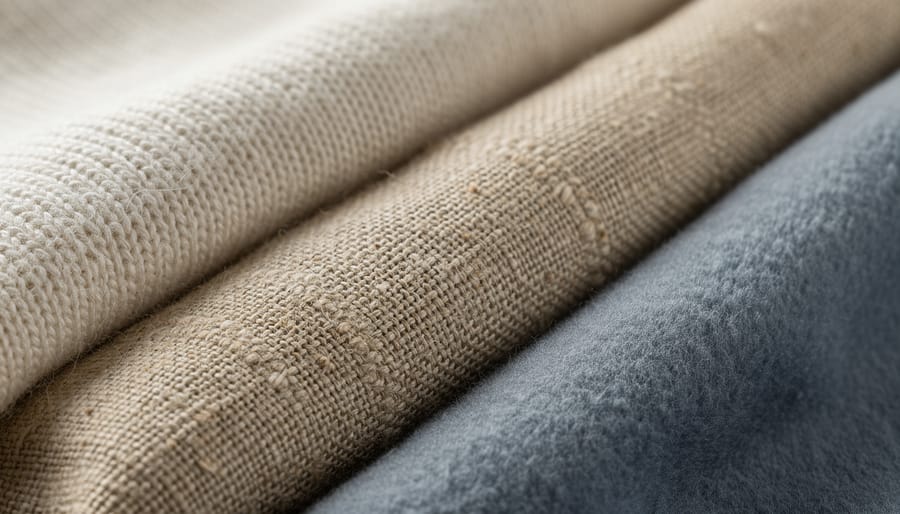
Material Innovations Worth Celebrating
The vegan materials revolution has moved far beyond plastic masquerading as leather. Today’s most exciting innovations come from agricultural waste streams and mycelium networks that offer genuinely low environmental impact.
Mushroom leather, grown from mycelium (the root structure of fungi), represents a breakthrough in bio-fabricated materials. Brands like Mylo and Reishi produce leather alternatives in weeks rather than years, using minimal water and no toxic tanning chemicals. The mycelium is grown on sawdust or agricultural waste, creating a closed-loop system that can even be composted at end of life.
Plant-based leathers sourced from food industry byproducts demonstrate smart circular thinking. Piñatex harvests pineapple leaf fibers that would otherwise be burned after harvest, creating income for farming communities in the Philippines. Apple leather uses pomace from juice production. Grape leather transforms wine industry waste into supple material. These innovations solve two problems at once: textile production and agricultural waste.
Cactus leather (Desserto being the most prominent example) grows with remarkably little water in arid regions unsuitable for other crops. The company claims its material sequesters carbon and avoids the petroleum base of conventional synthetic leathers.
Lab-grown materials like Modern Meadow’s bio-fabricated leather use fermentation to produce collagen without animals, offering the performance characteristics of animal leather without the livestock emissions.
The critical question remains impact transparency. Genuinely sustainable innovations publish lifecycle assessments, disclose energy sources, and avoid petroleum-based binders or finishes. Materials that require heavy processing, fossil fuel-derived coatings, or create non-biodegradable waste defeat their own purpose. The best vegan materials prove their claims with third-party certifications like Cradle to Cradle or clear supply chain documentation.
Red Flags: When Vegan Doesn’t Mean Green
Not every vegan label deserves your trust. Some brands slap “cruelty-free” on products while relying on materials that harm the planet just as much as conventional leather, or worse.
Virgin PVC and PU leathers top the list of offenders. These petroleum-based synthetics require fossil fuel extraction, release toxic chemicals during production, and break down into microplastics from washing that contaminate waterways and soil. A jacket made from PVC might spare animals, but it leaves a chemical legacy that persists for centuries.
Opacity is another warning sign. Brands that tout vegan credentials without disclosing where or how materials are made often have something to hide. If a company won’t name its factories, share impact data, or explain its dyeing processes, assume the worst until proven otherwise.
Fast fashion speed under a vegan veneer is equally problematic. Churning out cheap polyester “vegan leather” trenches every few weeks feeds overproduction and waste, regardless of animal content. The volume itself becomes the pollution.
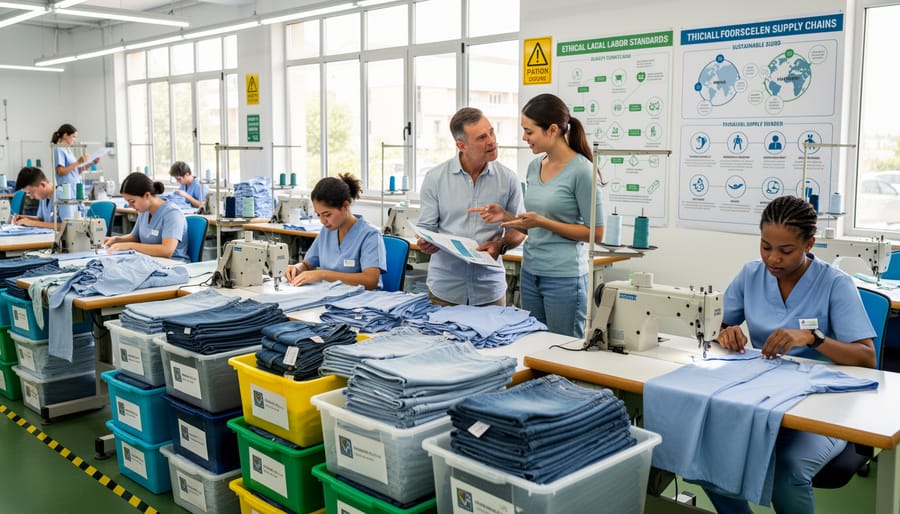
The narrowest red flag? Brands that fixate solely on animal welfare while exploiting garment workers or dumping untreated wastewater into rivers. True sustainability can’t cherry-pick one ethical dimension and ignore the rest. A vegan handbag sewn in a sweatshop with wages below subsistence isn’t progress, it’s trading one injustice for another.
Vegan Fashion Brands Leading the Way in 2026
Finding vegan fashion brands that genuinely deliver on sustainability requires looking beyond marketing claims to verified practices. The brands profiled here have earned recognition not just for eliminating animal materials, but for comprehensive approaches to environmental responsibility, supply chain transparency, and ethical production. They represent different price points and categories, making conscious choices accessible across various needs and budgets.
| Brand | Category | Key Sustainable Practices | Price Range |
|---|---|---|---|
| Stella McCartney | Luxury | Bio-based materials, supply chain traceability, B Corp certified | $$$ |
| Reformation | Everyday Wear | RefScale carbon tracking, deadstock fabrics, circular economy initiatives | $$ |
| Pangaia | Activewear | Bio-engineered materials, carbon-neutral shipping, transparent impact data | $$ |
| Matt & Nat | Accessories | 100% recycled linings, third-party certifications, fair labor audits | $-$$ |
| Vaute | Outerwear | Recycled insulation, local production, PETA-approved vegan | $$ |
Stella McCartney remains the gold standard in luxury vegan fashion, having built an entire brand identity around animal-free materials since 2001. The house publishes detailed environmental profit and loss accounts, showing exactly where impacts occur across its supply chain. Their investment in next-generation materials like Mylo mushroom leather demonstrates commitment beyond compliance. Recent collections feature grape leather from wine industry waste and regenerative cotton, addressing both material innovation and agricultural impact.
For everyday essentials, Reformation combines accessible price points with rigorous tracking. Each product page displays carbon dioxide, water, and waste metrics compared to industry averages. Their use of deadstock fabrics prevents textile waste while delivering on-trend pieces. However, rapid release cycles and frequent new arrivals raise questions about whether their model truly aligns with slow fashion principles, despite transparent sustainability ratings.
Pangaia bridges performance and sustainability in activewear through proprietary materials like FLWRDWN, a wildflower-based alternative to down insulation. Their seaweed fiber T-shirts and eucalyptus pulp basics offer biodegradable options that avoid the microplastics shed by conventional synthetic activewear. The brand openly shares both successes and challenges in quarterly impact reports, a level of honesty rare in fashion marketing.
Matt & Nat has quietly built a reputation for durable vegan bags and shoes that outlast fast fashion alternatives. All bag linings use 100% recycled plastic bottles, diverting waste from landfills. Their repair program extends product lifecycles, and factory audits ensure fair wages in their Chinese and Cambodian facilities. Prices remain accessible without resorting to the labor exploitation common at similar price points.
These brands share common threads: material innovation paired with supply chain accountability, third-party verification of claims, and business models that prioritize longevity over volume. They prove vegan fashion can meet high sustainability standards when companies commit resources to transparency and continuous improvement rather than using animal-free materials as a marketing differentiator alone.
How Vegan Clothing Fits Into the Broader Fashion Revolution
Vegan fashion doesn’t exist in isolation, it’s one thread in a larger tapestry of industry transformation driven by consumers who refuse to accept business as usual. The brands profiled here represent a shift toward accountability that extends far beyond removing animal materials from supply chains.
The intersection with slow fashion is particularly significant. When brands commit to vegan production, they often simultaneously reject the breakneck pace of trend cycles that has defined mainstream fashion for decades. Creating quality alternatives to leather or wool requires material innovation and testing that simply can’t happen on a two-week design-to-shelf timeline. This natural deceleration aligns with slow fashion principles: fewer releases, better construction, pieces designed to last years rather than seasons.
Circular economy principles find natural allies in vegan fashion leaders. Many of the brands featured here have built take-back programs, rental models, and repair services into their business plans from day one. When you’re already challenging convention by eliminating animal products, expanding that challenge to tackle waste and overproduction becomes a logical extension. Companies like Pangaia and Stella McCartney are proving that circularity and animal-free production reinforce rather than compete with each other.
The climate connection runs deeper than materials alone. Animal agriculture accounts for roughly 14.5% of global greenhouse gas emissions, and livestock farming for fashion materials contributes significantly to that figure. Brands choosing plant-based and lab-grown alternatives directly reduce their carbon footprint while often adopting renewable energy, carbon offset programs, and science-based climate targets across their operations.
Consumer pressure is the engine behind mainstream adoption. When major retailers see sustained demand for verified vegan options, they respond. H&M’s Conscious collection now includes vegan leather alternatives. Adidas partnered with Stella McCartney on animal-free athletic wear. Luxury houses like Chanel and Prada have announced bans on exotic skins. These shifts didn’t emerge from corporate altruism, they’re direct responses to shoppers who vote with their wallets and demand transparency about what they’re buying and how it’s made.
Making Informed Choices as a Conscious Consumer
Building a sustainable vegan wardrobe requires intentional choices that go beyond simply avoiding animal products. Start by shifting your mindset from trend-chasing to investment buying: choose pieces designed to last multiple seasons rather than disposable items marketed as vegan. Look for reinforced seams, quality fastenings, and durable plant-based materials that won’t degrade after a few washes.
Before purchasing, spend time researching brand claims. Visit company websites to find detailed information about material sourcing, manufacturing locations, and third-party certifications. Brands committed to transparency will readily share this information, while those relying on vague “eco-friendly” marketing without substance deserve skepticism. Understanding what is slow fashion principles means recognizing that genuine sustainability requires more than marketing buzzwords.
Proper care extends the life of vegan materials significantly. Many plant-based leathers and fabrics require different maintenance than their animal-derived counterparts. Follow manufacturer instructions carefully, use gentle detergents, air dry when possible, and store items properly to prevent cracking or degradation. A well-maintained vegan jacket lasting five years outperforms three replacements in environmental impact.
Support companies that demonstrate genuine commitment through verified actions, not just aspirational statements. Look for brands publishing annual sustainability reports, sharing factory information, and achieving credible certifications. Your purchasing power sends a message about what standards you expect, encouraging the industry to prioritize substance over superficial green claims.
Common Questions About Vegan Fashion Brands
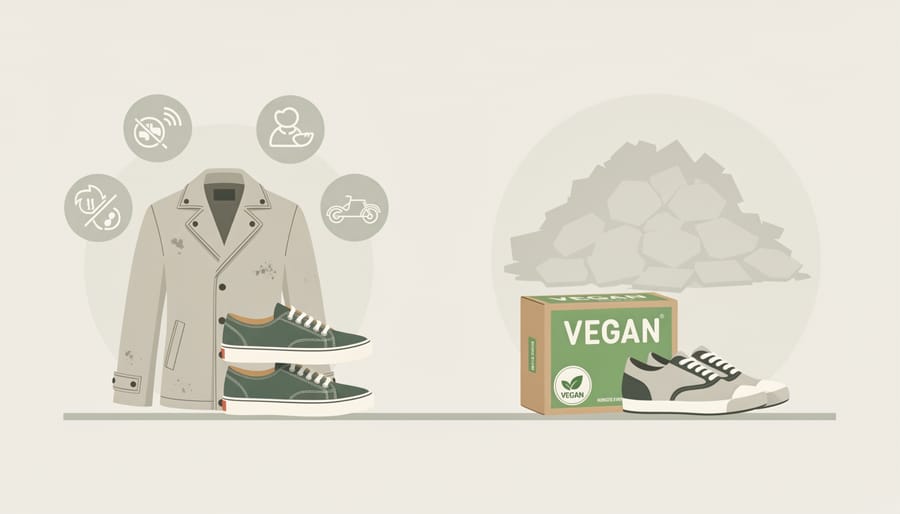
Are vegan leather alternatives really better for the environment?
It depends entirely on what the alternative is made from. Plant-based materials like mushroom or cactus leather typically have lower environmental footprints than conventional leather, while petroleum-based synthetics like PVC and PU can be worse due to toxic production processes and microplastic shedding. Always check the specific material composition and manufacturing transparency.
How can I verify a brand’s vegan claims?
Look for third-party certifications from PETA’s Vegan Fashion Award, The Vegan Society trademark, or Animal Free Fashion. Check the brand’s materials list and transparency reports, and avoid companies that use vague language like “cruelty-free” without specifying which animal-derived materials they exclude.
Is vegan fashion more expensive than conventional clothing?
Not necessarily. Mass-market vegan options exist at every price point, though genuinely sustainable vegan brands often cost more due to innovative materials, ethical labor, and transparent supply chains. The price reflects investment in responsible production rather than the vegan aspect alone.
Can a brand be partially vegan?
Yes, many brands offer vegan product lines alongside non-vegan items. Some clearly label vegan pieces, making it easier for consumers to choose. However, brands committed to vegan fashion across their entire catalog demonstrate stronger alignment with animal welfare principles.
What about wool and silk, are there truly sustainable alternatives?
Recycled polyester, organic cotton fleece, Tencel, and hemp offer warmth without wool, while peace silk, banana silk, and orange fiber provide silk-like textures. These alternatives vary in sustainability, so research the specific fabric’s production impact and durability before assuming it’s the better choice.
How do I care for vegan materials to make them last?
Most plant-based leathers benefit from gentle spot cleaning and avoiding prolonged water exposure, while synthetic alternatives often tolerate standard washing. Check individual care labels, wash less frequently to reduce wear, and consider laundry sustainability practices like cold water washing and air drying to extend garment life and minimize environmental impact.
Understanding how to properly maintain vegan materials significantly impacts their longevity and overall sustainability. The durability of your vegan wardrobe depends less on the materials themselves and more on how you treat them. Store vegan leather items away from direct sunlight and heat, which can cause cracking or fading. For fabric-based vegan pieces, follow temperature guidelines carefully since some innovative plant materials require gentler handling than conventional textiles.
When damage does occur, seek repair options before replacing items. Many vegan materials can be mended, reconditioned, or restored with the right techniques. Building relationships with cobblers and tailors who understand these newer materials extends the life of your pieces and keeps them out of landfills longer, making your vegan fashion choices genuinely sustainable in practice.
Choosing a vegan fashion brand is about more than avoiding animal products. It’s about recognizing that genuine sustainability requires a holistic approach, one that protects animals while also safeguarding the planet, respecting workers, and operating with radical transparency.
The vegan fashion movement has come remarkably far, but the label alone doesn’t guarantee ethical production. As we’ve explored throughout this guide, a truly responsible vegan brand must demonstrate verifiable commitments across multiple dimensions: innovative materials that don’t trade animal harm for environmental destruction, transparent supply chains that protect garment workers, circular design principles that extend product lifespans, and honest communication that resists greenwashing.
Your choices as a consumer carry real weight. When you research beyond surface-level marketing, ask tough questions about certifications and supply chains, and support brands that embrace comprehensive accountability, you’re helping reshape an industry that desperately needs transformation. The brands profiled here represent what’s possible when companies prioritize substance over slogans.
The future of fashion looks brighter when enough of us refuse to settle for partial solutions. Vegan fashion brands that rise to meet these higher standards prove that style and ethics can coexist, and that consumer demand for authenticity creates the momentum for industry-wide change. Your wardrobe can reflect your values completely, not just partially.


Average Rating