 0
0
 0
0
Slow fashion is a conscious approach to clothing that prioritizes quality, longevity, and ethical production over rapid trend cycles and disposable garments. Rather than churning out thousands of new styles each season, slow fashion brands create timeless pieces designed to last years, produced under fair labor conditions with minimal environmental impact.
This shift matters because the fashion industry now generates over 100 billion garments annually, most destined for landfills within months. The breakneck speed of trend cycles has normalized buying clothes we wear just a handful of times, creating a waste crisis that’s become impossible to ignore. Slow fashion offers a genuine alternative, one that doesn’t require sacrificing style or breaking your budget once you understand how the model works.
The difference isn’t just philosophical. Fast fashion relies on cheap materials, overseas factories with questionable labor practices, and business models built around planned obsolescence. Slow fashion flips that equation: durable natural fibers replace polyester blends, transparent supply chains replace anonymity, and higher upfront costs are offset by garments that survive hundreds of wears instead of dozens.
In this guide, you’ll learn exactly what defines slow fashion beyond the buzzwords, how the production process actually works, the core principles that separate authentic slow fashion from greenwashing, and practical ways to start building a more sustainable wardrobe. Whether you’re questioning your shopping habits for the first time or ready to make a wholesale change, understanding slow fashion is the essential first step toward clothing choices that align with your values.
What Slow Fashion Really Means
Slow fashion represents a fundamental shift from the relentless churn of trend-driven consumption to a model built on intention, quality, and respect for both people and planet. Where fast fashion operates on a cycle of cheap, disposable garments produced at breakneck speed, slow fashion asks us to pause and consider the true cost of what we wear.
At its heart, slow fashion is about valuing clothes as more than temporary purchases. It prioritizes garments made to last, crafted with attention to materials, construction, and the hands that made them. Rather than racing to mirror runway trends within weeks, slow fashion brands take time to develop pieces with enduring style and superior durability. This means fewer items produced overall, but each one designed to remain in your wardrobe for years rather than a single season.
The philosophy extends beyond the physical garment to how we consume. Slow fashion challenges the idea that we need constant newness, instead encouraging thoughtful purchases based on genuine need and lasting value. It means asking who made your clothes, under what conditions, and what happens to the garment when you’re done with it. This mindset shift matters because fast fashion’s model has created severe environmental damage, from textile waste filling landfills to microplastics polluting waterways with every synthetic garment wash.
- Mindful Consumption
- The practice of making deliberate clothing purchases based on need, quality, and values rather than impulse or trends. It involves considering a garment’s full lifecycle before buying.
- Ethical Production
- Manufacturing practices that ensure fair wages, safe working conditions, and respect for garment workers’ rights throughout the supply chain.
- Circular Fashion
- A regenerative system where clothing is designed, produced, and used in ways that enable reuse, repair, and recycling, keeping materials in circulation and out of landfills.
- Timeless Design
- Creating garments with classic silhouettes and versatile styles that transcend seasonal trends, ensuring pieces remain wearable and relevant for years.
Craftsmanship sits at the core of slow fashion. These aren’t clothes rushed through assembly lines by underpaid workers under impossible quotas. They’re often made by skilled artisans or in smaller facilities where quality control actually means something, using techniques that prioritize durability over speed. The result is clothing that develops character with wear rather than falling apart after a handful of washes.
How Slow Fashion Works in Practice
The Production Process
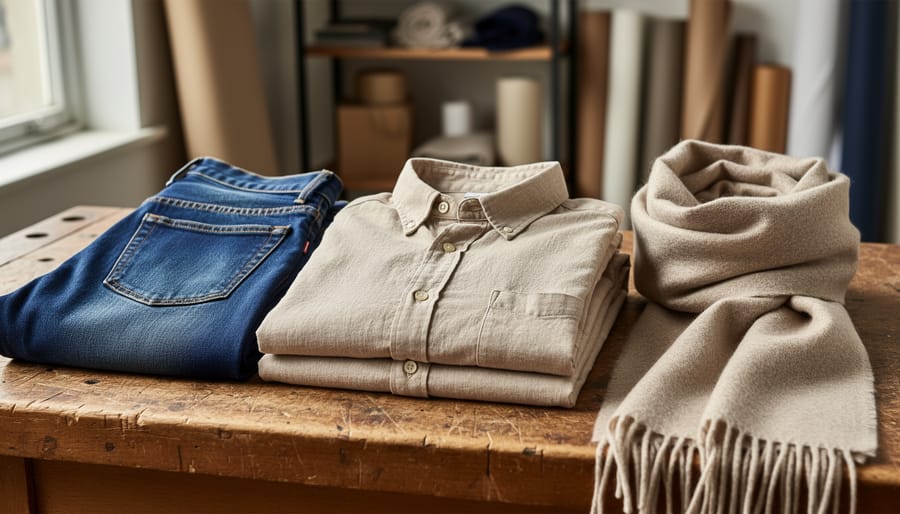
Slow fashion production fundamentally rejects the rapid manufacturing cycles that define mainstream fashion. Rather than churning out thousands of identical garments in offshore factories, slow fashion brands typically work with small-batch production runs, sometimes just 50 to 200 pieces per style. This scale allows manufacturers to maintain rigorous quality standards at every step, catching flaws that would slip through in mass production.
Many slow fashion brands partner directly with artisan communities or small workshops where skilled craftspeople earn fair wages and work in safe conditions. These partnerships often span years, creating stable employment rather than the precarious gig work common in fast fashion supply chains. The brand knows exactly who sewed each seam, which creates accountability that’s impossible with anonymous factory networks.
Transparency extends beyond labour to materials. Slow fashion producers trace fibers from farm to finished garment, choosing organic cotton from specific regions, deadstock fabrics that would otherwise be landfilled, or innovative materials like Tencel from sustainably managed forests. They share these sourcing details publicly, facility addresses, certifications, even photos of production partners, because they have nothing to hide. Quality control happens continuously rather than through spot checks, with makers inspecting construction, testing durability, and ensuring each piece meets standards that support years of wear.
The Consumer Experience
Buying slow fashion requires a fundamental shift in how you shop. Instead of frequent trips for trendy pieces, you’ll make fewer, more deliberate purchases, perhaps one quality coat rather than three cheap alternatives. The upfront cost stings more: a well-made organic cotton shirt might run $80-120 compared to $15 at a fast fashion retailer. But when you calculate cost-per-wear over five years instead of one season, the economics flip.
You’ll wait longer, too. Many slow fashion brands produce made-to-order pieces with 2-4 week lead times, eliminating the instant gratification of next-day delivery. This delay is intentional, it prevents overproduction and gives you time to reconsider impulse purchases.
Ownership changes as well. You’re expected to care for garments properly: hand-washing delicates, air-drying, mending small tears. Some brands offer free repair services or sell spare buttons with each piece. The goal is building a curated capsule wardrobe of 30-40 versatile items that work together, replacing the stuffed closet of barely-worn clothes. Each piece earns its place through regular use, quality construction, and genuine love for the item.
Core Principles That Define the Movement
Five interconnected principles form the foundation of slow fashion, each addressing a critical failure of the fast fashion system. These aren’t aspirational values or marketing language, they’re operational commitments that define how slow fashion brands make, sell and stand behind their products.
Quality and durability come first because they underpin everything else. Slow fashion prioritizes craftsmanship and construction techniques that extend garment lifespan, which means reinforced seams, high-quality natural fibers, and finishes that improve with age rather than deteriorate after a few washes. A well-made linen shirt or wool coat can last a decade or more with proper care, reducing the need for constant replacement and the waste that comes with it.
Fair labor practices reject the exploitation that fast fashion depends on. Slow fashion brands pay living wages to garment workers, maintain safe working conditions, and often build long-term partnerships with manufacturing facilities instead of chasing the lowest bid. This principle recognizes that cheap clothing comes at the cost of human dignity, someone somewhere is paying the price when a shirt costs less than a sandwich.
Environmental responsibility extends beyond using organic cotton. It means considering water usage, chemical treatments, energy consumption, and end-of-life disposal throughout the production process. Many slow fashion brands embrace circular economy principles, designing garments that can be repaired, repurposed or safely composted rather than adding to landfills.
- Quality & Longevity: Durable construction and materials that last years, not seasons
- Fair Labor & Living Wages: Ethical treatment and fair compensation for all workers in the supply chain
- Environmental Responsibility: Minimizing ecological harm through sustainable materials and production methods
- Supply Chain Transparency: Open disclosure of where and how garments are made
- Timeless Design: Classic styles that transcend seasonal trends and remain wearable for years
Transparency separates genuine slow fashion from greenwashing. Brands that embrace this principle openly share information about their factories, material sources, pricing breakdowns and environmental impact. They welcome scrutiny because they have nothing to hide, publishing factory lists, certifications and detailed sustainability reports that consumers can verify.
Timeless design resists the trend cycle that drives overconsumption. Instead of chasing what’s in this season, slow fashion focuses on versatile, classic pieces that work across multiple years and styling contexts. This doesn’t mean boring, it means designing clothes with lasting aesthetic appeal that won’t look dated next year.
These principles work together as a system. A transparent brand can’t claim slow fashion credentials while underpaying workers. An environmentally responsible company that produces disposable quality contradicts its own mission. The movement requires commitment to all five pillars simultaneously, creating fashion that serves people and planet alongside profit.
Different Approaches to Slow Fashion
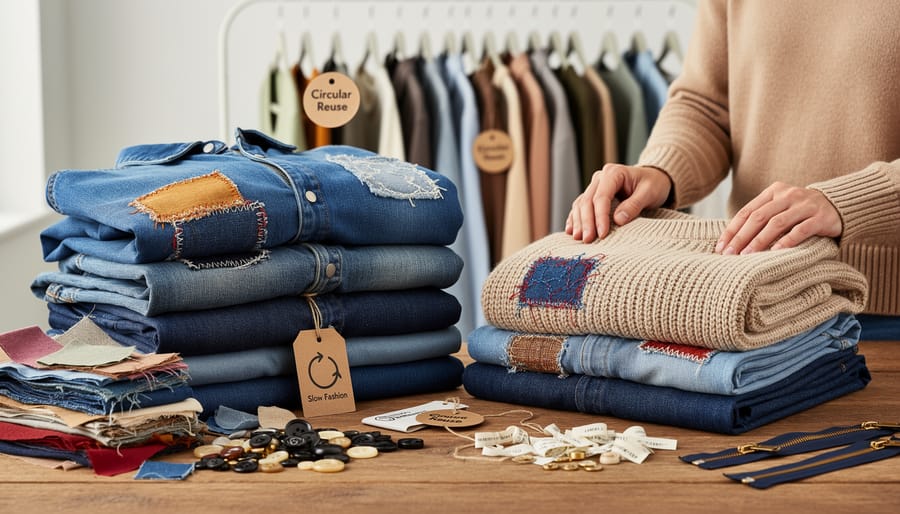
Slow fashion isn’t a single path, it’s a spectrum of approaches unified by shared values. Understanding these different models helps you find entry points that match your lifestyle and budget.
Made-to-order brands eliminate overproduction by creating garments only after purchase. You order a piece, often with customization options, and the brand crafts it specifically for you over several weeks. This model prevents excess inventory from ending up in landfills and allows for better sizing, though it requires patience and planning ahead for seasonal needs.
Vintage and secondhand fashion extends garment lifespans without demanding new resources. Whether you’re browsing curated vintage boutiques, thrift stores, or online resale platforms, buying pre-owned clothing is inherently sustainable. Quality pieces from decades past often outlast contemporary fast fashion, and you’ll find unique items impossible to replicate. The challenge lies in hunting for the right size and style, but that search becomes part of the appeal for many conscious consumers.
Rental and sharing models rethink ownership entirely. Clothing rental services let you wear special-occasion pieces or rotate through styles without permanent purchase. Sharing platforms connect neighbors who swap garments or accessories. These approaches work especially well for formal wear, maternity clothes, or trend-driven items you’d wear infrequently, though they depend on available services in your area.
Repair-focused brands build their business around longevity. They offer lifetime repairs, sell replacement parts, or provide detailed care instructions and mending kits with purchases. Some brands even buy back worn items to refurbish and resell. This commitment to product lifespan directly counters the disposable mentality of fast fashion and creates ongoing relationships between brand and consumer.
Zero-waste design approaches eliminate fabric waste at the pattern-cutting stage. Designers create patterns that use every inch of material, or they construct garments from pre-consumer textile waste. While these pieces sometimes feature unconventional silhouettes, they prove that creativity and sustainability can coexist without compromise.
Each approach addresses different aspects of fashion’s environmental and social impact. You don’t need to commit to just one, mixing vintage finds with made-to-order basics and rental formalwear creates a personalized slow fashion practice that fits your life.
Where Slow Fashion Applies in Your Life
Slow fashion isn’t an all-or-nothing commitment. You can apply its principles gradually, starting wherever makes sense for your circumstances and building from there.
When making new purchasesslow down your decision-making process. Before buying, ask yourself whether you’ll wear an item at least thirty times, if it works with pieces you already own, and whether the quality justifies the price. Research brands using resources that evaluate their ethical and environmental practices. This intentional approach naturally reduces impulse buying while helping you build a more cohesive wardrobe.
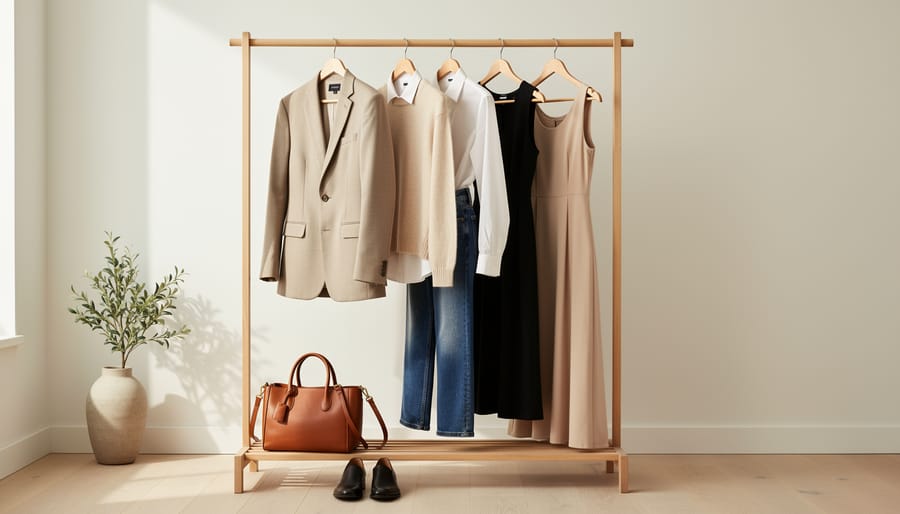
Building your wardrobe around versatile, timeless pieces creates the foundation for slow fashion living. Focus on well-made basics in neutral colors that mix easily, then add character through carefully chosen statement pieces. A curated collection of twenty quality items you actually wear beats a closet stuffed with fifty things you rarely touch. Think about gaps in your wardrobe before shopping, and prioritize filling those specific needs rather than chasing trends.
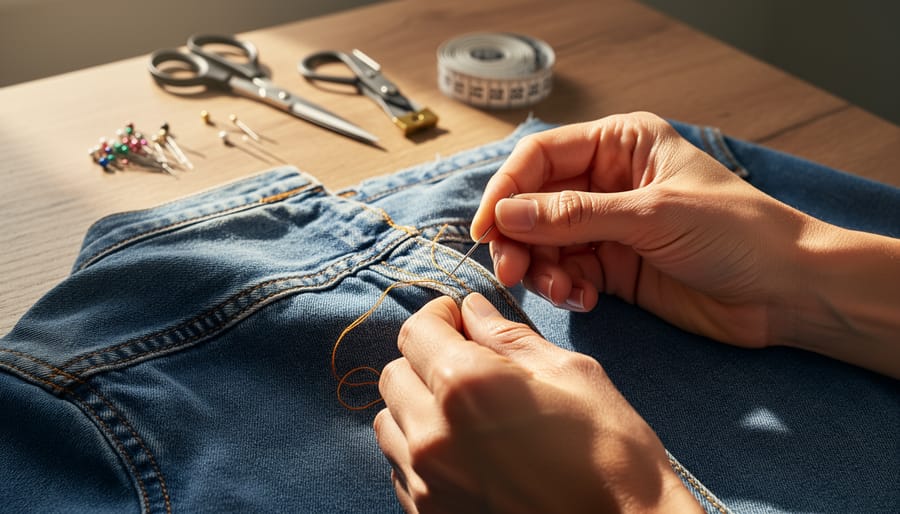
Caring for what you own extends garment life significantly. Learn basic repairs like sewing buttons and fixing small tears. Wash clothes less frequently and at lower temperatures, most items need cleaning far less often than we think. Proper laundry care alone can double a garment’s lifespan while reducing your environmental footprint.
Supporting change happens through your everyday choices. Shop secondhand first when possible. When you do buy new, choose brands committed to transparency and fair practices. Share information about ethical fashion with friends without preaching, people respond better to genuine enthusiasm than judgment. Even small shifts in spending patterns send market signals that encourage more brands to adopt sustainable practices.
Start with one area that resonates most, whether that’s better garment care, smarter purchasing, or exploring secondhand options. Each step reinforces the others naturally over time.
Common Questions About Slow Fashion
Is slow fashion actually more expensive?
Slow fashion garments typically cost more upfront because of quality materials, fair wages, and ethical production. However, when you calculate cost-per-wear over years of use instead of months, the investment often becomes comparable or cheaper than constantly replacing fast fashion items.
How do I know if a brand is truly slow fashion?
Look beyond marketing claims and examine production timelines, material sourcing transparency, and labor practices. Genuine slow fashion brands publish detailed information about their supply chains, while brand ratings can help you verify claims through third-party assessments.
Can slow fashion be accessible to everyone?
While new slow fashion pieces can be pricey, the movement extends beyond buying new. Secondhand shopping, clothing swaps, repair services, and rental platforms make slow fashion principles accessible at various price points.
What’s the difference between slow fashion and sustainable fashion?
Slow fashion is a subset of sustainable fashion that emphasizes the pace and intentionality of production and consumption. Sustainable fashion is the broader umbrella covering any environmentally or socially responsible practice, while slow fashion specifically rejects the fast-paced churn of trends.
These questions reflect genuine concerns that prevent people from embracing slow fashion, particularly around affordability and accessibility. The reality is that slow fashion requires a mindset shift from viewing clothing as disposable to recognizing it as a durable investment. When you factor in repairs, alterations, and the extended lifespan of well-made garments, the economics start to make sense. Accessibility challenges remain real, especially for those with limited budgets or size ranges, but the movement continues expanding options through resale platforms, community repair initiatives, and brands working to offer more inclusive sizing and payment plans.
Slow fashion represents a fundamental shift in how we think about clothing, prioritizing quality, ethics, and environmental responsibility over disposable trends. By choosing garments made to last, supporting transparent supply chains, and embracing mindful consumption, you’re participating in a movement that values people and planet alongside profit.
The beauty of slow fashion lies in its accessibility. You don’t need to overhaul your entire wardrobe overnight. Start with one intentional purchase instead of five impulse buys. Learn to repair a favorite piece. Buy secondhand. Each small decision compounds into meaningful change, reducing waste and supporting fair labor practices across the supply chain.
The slow fashion movement continues to grow as more consumers recognize that true style isn’t about constant newness, it’s about pieces that reflect your values and stand the test of time. At Fashion Upended, we’re committed to helping you navigate this landscape by evaluating brands with transparency and rigor, so you can shop with confidence knowing your choices align with genuine sustainability practices.
Your wardrobe can be both beautiful and responsible. That’s not just idealism, it’s the future of fashion.



Average Rating