

 0
0
 0
0
Canadian subscription boxes offer eco-conscious shoppers a curated way to discover local, sustainable products across beauty, fashion, food, and lifestyle categories, but the environmental value depends entirely on the company’s sourcing practices, packaging choices, and commitment to transparent reporting. With the subscription box market valued at USD 49.7 billion in 2026 and expanding rapidly across categories from clothing to pet food, Canadian consumers now face hundreds of options, many draped in green marketing language that doesn’t hold up under scrutiny.
The truth is, not all subscription boxes serve sustainability goals. Recurring shipments can generate packaging waste, introduce products you don’t need, and obscure supply chain accountability behind clever branding. But done right, a well-chosen subscription service can connect you to ethical makers you’d never find otherwise, reduce impulse purchases by matching products to your actual needs, and support Canadian businesses building genuinely regenerative systems.
This guide evaluates Canadian subscription boxes through a sustainability lens, breaking down options by category while offering a clear framework to assess environmental claims. You’ll learn which companies prioritize refillable packaging over single-use plastics, how replenishment versus curation models affect waste, and what questions to ask before committing your money. We’re addressing the core trade-offs openly: the convenience of discovery balanced against the carbon cost of monthly shipments, the appeal of surprise versus intentional consumption, and how to identify services genuinely aligned with your values rather than simply capitalizing on them.
Whether you’re exploring beauty boxes featuring clean ingredients, food subscriptions highlighting regenerative agriculture, or fashion curation that extends clothing lifecycles, the key is knowing what to look for and which red flags signal greenwashing rather than genuine progress.
Why Canadian Subscription Boxes Are Gaining Momentum
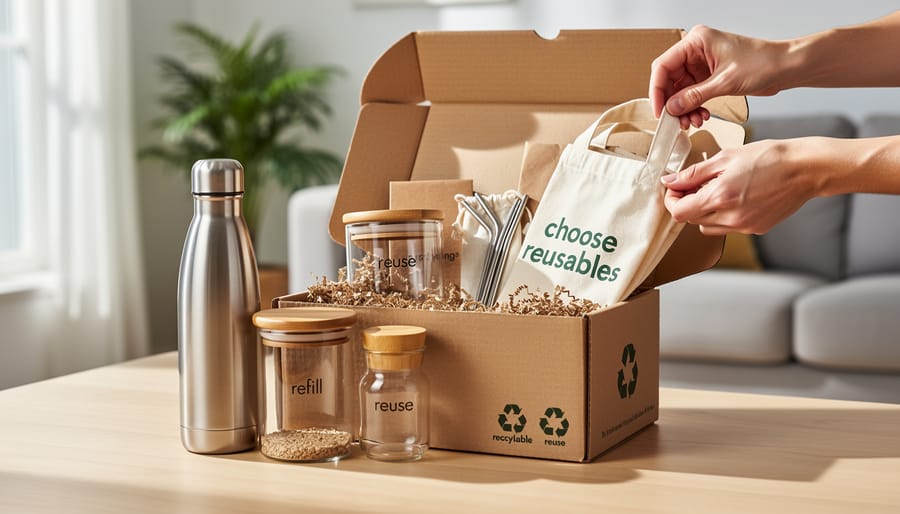
Canadian subscription boxes are carving out a distinct identity in a market that’s already projected to reach USD 101.81 billion by 2030. While the broader subscription economy continues its rapid expansion, Canadian-specific services have found their footing by answering a growing consumer question: why ship products across continents when quality alternatives exist closer to home?
The appeal starts with tangible environmental benefits. Domestic subscription boxes typically reduce shipping distances by thousands of kilometers compared to international services, cutting both carbon emissions and delivery times. When a beauty box ships from Toronto instead of Los Angeles, or a food subscription sources from Quebec producers rather than overseas suppliers, the transportation footprint shrinks considerably. For eco-conscious consumers tracking their carbon impact, this geography matters.
Beyond logistics, there’s a values alignment at play. Canadian environmental and labor regulations often exceed international minimums, meaning subscription services featuring Canadian-made products inherently support higher baseline standards for worker treatment and environmental compliance. Subscribers aren’t just receiving curated goods; they’re directing spending toward makers who operate under stricter ethical frameworks.
The cultural shift toward conscious consumption has amplified this momentum. Consumers increasingly view purchasing decisions as political acts, and choosing Canadian subscription boxes becomes a way to vote with their wallets. It’s localism meeting convenience, the subscription model’s ease combined with the satisfaction of supporting regional economies and reducing environmental harm. This isn’t blind patriotism; it’s strategic alignment between personal values and purchasing behavior, particularly among younger consumers who prioritize transparency and demonstrable impact over brand legacy.
Understanding the Subscription Box Landscape
Canadian subscription boxes operate through three distinct business models, each offering different value propositions for consumers with varying sustainability priorities.
- Replenishment Subscription
- A model where customers receive regular shipments of essential products they use frequently, such as coffee, pet food, or personal care items. This model works best when it prevents wasteful last-minute purchases and reduces individual trips to stores.
- Curation Subscription
- A discovery-focused service where customers receive handpicked selections of new or seasonal products, often tailored to their preferences through style quizzes or past feedback. Canadian examples include beauty boxes featuring emerging clean brands and fashion services spotlighting independent designers.
- Access Subscription
- A membership model that grants subscribers exclusive perks, early product releases, or discounts rather than physical boxes. This approach typically generates less packaging waste while still supporting brands directly.
Understanding which model fits your consumption patterns matters when evaluating sustainability impact. Replenishment subscriptions can reduce packaging waste if they replace multiple individual purchases, but only if you genuinely need regular deliveries. Curation boxes introduce you to new Canadian makers but risk encouraging overconsumption if you accumulate items you don’t truly need or use.
The most popular categories in the Canadian market span clothing and fashion, beauty, food and beverages, pet food, baby products, and health and fitness. Each category carries distinct sustainability considerations. Fashion subscriptions raise questions about textile waste and return logistics. Food boxes hinge on local sourcing and cold-chain emissions. Beauty subscriptions often involve sample-size packaging that can create more waste per use than full-size products.
Your values and household needs should drive your choice. If you’re committed to supporting Canadian artisans and discovering emerging sustainable brands, a quarterly curation box might align well. If you’re trying to streamline routine purchases of ethically-sourced staples, replenishment could work, but only if you adjust delivery frequency to match actual usage and avoid accumulating excess inventory.
Evaluating Sustainability Claims in Canadian Subscription Boxes
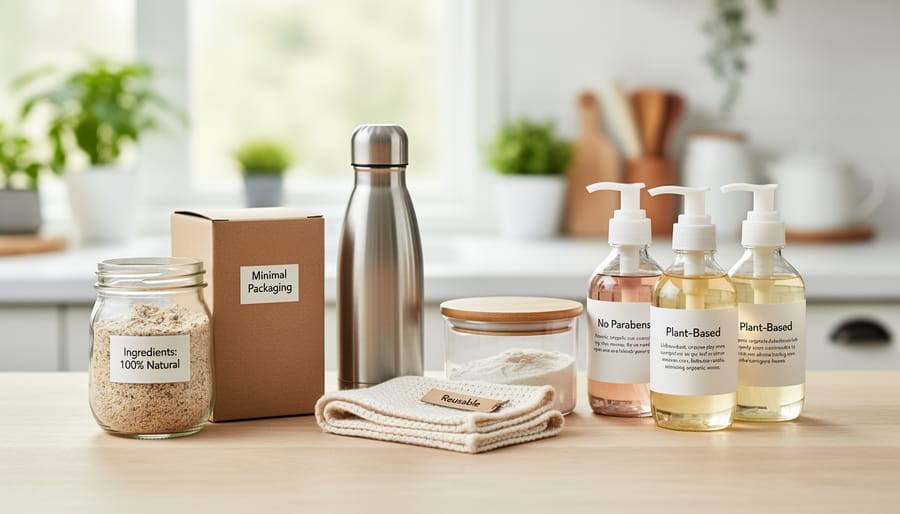
The rapid growth of Canada’s subscription box market, part of a global industry projected to reach USD 124.1 billion by 2034, has brought a corresponding surge in sustainability marketing. Many brands now tout eco-friendly credentials, but not all claims hold up under scrutiny. Knowing what actually works requires moving past surface-level messaging to evaluate the actual environmental and social impact of these recurring services.
Start with sourcing transparency. Legitimate sustainable subscription boxes disclose where their products originate, who makes them, and under what conditions. Look for detailed supply chain information on the company’s website, not just vague statements about “ethical partners” or “responsible sourcing.” Brands committed to transparency will name their suppliers, explain their selection criteria, and provide evidence of direct relationships with makers.
Shipping practices reveal a lot about genuine commitment. Carbon-neutral delivery means the company measures its transportation emissions and offsets them through verified programs, not just uses recyclable mailers. Check whether they consolidate shipments, use ground transport over air freight, and offer flexible delivery schedules that reduce trip frequency. Some companies provide carbon footprint calculations per box, which demonstrates accountability.
Packaging deserves close examination. Truly sustainable subscription services eliminate plastic entirely, using compostable mailers, paper tape, and minimal protective materials. Be wary of “recyclable” claims, many materials labeled recyclable end up in landfills because local facilities can’t process them. Third-party verification of packaging claims, such as adherence to recycled content labeling rules adds credibility.
Fair labor practices matter as much as environmental considerations. Look for certifications like Fair Trade, B Corp, or SA8000 that require independent audits of working conditions and wages. Brands that genuinely prioritize worker welfare will share factory audit results and explain how they ensure living wages throughout their supply chain.
Watch for greenwashing red flags: nature imagery without substance, claims like “eco-friendly” without supporting details, and self-created certifications that sound official but lack third-party oversight. Truly sustainable Canadian subscription boxes back up every claim with verifiable evidence, transparent reporting, and a willingness to acknowledge where they still need to improve.
Categories of Canadian Subscription Boxes Worth Exploring
Fashion and Apparel
Canadian fashion subscription boxes fall into three models, and only one consistently aligns with sustainable values. Rental services that rotate high-quality garments reduce individual ownership and support a circular economy keeping pieces in use longer. Styling subscriptions that send curated items to purchase can work if they feature Canadian makers using deadstock fabrics or natural fibers that don’t shed microplasticsbut many simply repackage fast fashion with a personalization angle.
The most sustainable option? Subscription boxes built around slow fashion principles, limited releases of durable, repairable clothing from transparent Canadian brands. Look for services that disclose where and how garments are made, use low-impact dyes, offer repair guides, and operate take-back programs for worn-out items.
What makes a clothing subscription genuinely sustainable is not the convenience of recurring delivery but the business model it enables. Does it reduce consumption by rotating a shared wardrobe, or does it simply automate purchasing? Does it feature brands paying fair wages and using regenerative fibers, or does it prioritize trend churn? The difference matters. A subscription that sends polyester basics every month, regardless of packaging claims, still fuels overproduction and textile waste.
Beauty and Personal Care
Canadian beauty subscription boxes have carved out a particularly strong sustainability niche, driven by the country’s robust clean beauty industry and consumer demand for transparent ingredient lists. The best services curate products from brands that meet strict cruelty-free standards, look for Leaping Bunny or PETA certification rather than vague “not tested on animals” claims, and prioritize Canadian-made formulations using locally sourced botanicals.
Ingredient transparency separates genuine clean beauty subscriptions from greenwashed alternatives. Credible boxes provide full ingredient disclosure for every product, flag common irritants and allergens, and exclude controversial preservatives like parabens and synthetic fragrances. Some services allow you to build a profile based on skin sensitivities or ingredient preferences, ensuring you receive only products that align with your standards.
Packaging presents the biggest environmental challenge in beauty subscriptions. The monthly delivery model compounds waste unless brands commit to refillable systems or compostable materials. Seek out boxes that use glass containers instead of plastic, offer return programs for empties, or partner with brands that ship concentrates in minimal packaging. A few Canadian services have adopted refill station models, sending durable containers first and concentrated product refills in subsequent shipments.
The subscription format works best when you’re genuinely discovering new clean beauty brands and can commit to using products before the next box arrives. Overaccumulation undermines the sustainability promise entirely.
Food, Beverages, and Specialty Items
Food subscription boxes promise convenience and discovery, but their sustainability depends heavily on sourcing practices and delivery logistics. Canadian services featuring local, organic, and regeneratively-grown products can support regional food systems while reducing the carbon footprint of long-distance imports. Look for boxes that partner directly with farmers, fishers, and small-scale producers within Canada, these relationships often mean fresher products and fairer compensation for growers.
Organic certification matters, but regenerative agriculture goes further by actively rebuilding soil health and sequestering carbon. Some Canadian food subscriptions now highlight regenerative farms in their supplier networks, though this remains a small segment. Check whether the service provides transparent sourcing information: where ingredients come from, how they’re grown, and what environmental practices the producers follow.
The sustainability trade-offs are real. Recurring shipments mean repeated packaging and transport emissions, even when products themselves are sustainably grown. Weekly deliveries amplify this impact compared to monthly schedules. Insulated packaging, ice packs, and refrigerated transport add environmental costs that locally-sourced farmers’ markets avoid entirely.
Choose food subscriptions that use compostable or returnable insulation, offer flexible delivery frequencies, and let you pause shipments when needed. Specialty items like coffee, tea, or artisan pantry staples tend to have lower environmental overhead than perishable meal kits requiring extensive cold-chain logistics. Assess whether the convenience genuinely serves your household or just creates new waste streams, and prioritize services transparent about their full environmental footprint, not just the organic label on the products inside.
The Hidden Environmental Costs of Subscription Boxes

Even the most ethically-run subscription box carries an environmental footprint that deserves honest scrutiny. Recurring shipments mean multiple deliveries to your door each month or quarter, and each trip generates emissions whether the courier drives a diesel van or an electric vehicle. Packaging waste compounds quickly: outer boxes, inner tissue paper, branded inserts, protective filler, and individual product wrapping accumulate faster than most households can recycle or compost. Some materials marketed as “eco-friendly” still require industrial composting facilities that many Canadians lack access to, leaving supposedly sustainable packaging headed for landfill.
The subscription model itself can encourage overconsumption. When products arrive automatically, you may accumulate items faster than you use them, creating clutter and waste. Beauty samples pile up untouched, clothing subscriptions deliver pieces that don’t fit your current needs, and food boxes introduce ingredients you don’t know how to use before they spoil. Overproduction becomes a risk when brands scale up to meet subscription demand, manufacturing surplus inventory to ensure timely fulfillment. This cycle mirrors some of the same issues plaguing fast fashion, which harms the environment through microplastics and textile waste.
Participating mindfully means selecting brands with transparent take-back or recycling programs for packaging, choosing quarterly over monthly deliveries when possible, and auditing what actually gets used versus discarded. Some Canadian subscription services offer skip months or flexible scheduling, letting you align deliveries with actual consumption rather than arbitrary calendar intervals. The goal isn’t to avoid subscriptions entirely but to engage with them as deliberately as you would any purchase, recognizing that convenience and curation don’t erase environmental costs.
Common Questions About Canadian Subscription Boxes
Choosing a Canadian subscription box that truly aligns with your values requires asking the right questions and knowing where to find honest answers. Here’s what eco-conscious consumers most often want to know before committing.
How can I verify if a subscription box is actually sustainable?
Look for third-party certifications like B Corp, Fair Trade, or plastic-neutral credentials on the company’s website, and check if they publish a transparent sustainability report with measurable goals. Contact customer service directly to ask specific questions about sourcing, packaging materials, and carbon offset programs, genuine sustainable businesses will provide detailed answers.
What’s the typical price range for Canadian subscription boxes?
Monthly subscriptions generally range from $25 to $75, with beauty and food boxes at the lower end and curated fashion boxes at the higher end. Most services offer discounted rates if you commit to quarterly or annual plans.
How often will my subscription box be shipped?
Most Canadian subscription services offer monthly delivery as standard, though some allow you to customize frequency to bi-monthly or quarterly shipments to reduce environmental impact. A small number of replenishment boxes ship weekly, but this model is rare among sustainability-focused brands.
When does a subscription make more sense than buying individual products?
Subscriptions work best when you regularly use products in that category and value the discovery aspect of curated selections from smaller makers you might not find otherwise. If you’re trying to reduce consumption overall or already have reliable go-to products, one-time purchases align better with minimalist, low-waste values.
The subscription model itself presents an inherent tension for conscious consumers. Recurring shipments mean recurring packaging and transportation emissions, even when individual boxes use compostable materials or carbon-neutral shipping. Calculate whether the convenience and discovery value justify the cumulative environmental cost compared to quarterly bulk purchases from local retailers.
Pay attention to how brands communicate their sustainability efforts. Vague language like “eco-friendly” or “green” without supporting evidence is a red flag. Genuine transparency looks like specific statements: percentage of recycled content in packaging, named certifications, partnerships with environmental organizations, or published carbon footprint data. If a company can’t or won’t answer direct questions about their supply chain, labor practices, or waste reduction strategies, that silence tells you something important.
Consider starting with a one-time trial box or the shortest commitment period available. This lets you evaluate the actual product quality, packaging waste, and whether the items genuinely fit your lifestyle before locking into a longer subscription term.
Canadian subscription boxes offer a genuine path toward more sustainable consumption, but only when you approach them with clear eyes and high standards. The convenience of recurring delivery doesn’t automatically equal environmental progress, and slick marketing shouldn’t replace substance.
Use the evaluation framework we’ve outlined to separate brands making genuine commitments from those riding the sustainability trend. Look for transparent sourcing, verifiable certifications, minimal packaging, and accountability when things fall short. The companies worth supporting are the ones that openly share both their achievements and their challenges, that evolve their practices in response to feedback, and that prioritize long-term environmental impact over short-term growth.
Remember that mindful participation matters as much as brand selection. Adjust delivery frequencies to match your actual needs, pause subscriptions when they no longer serve you, and support companies offering take-back or circular programs. The goal isn’t perfection, it’s progress guided by informed choices.
As the Canadian subscription market continues to grow alongside broader consumer demand for ethical options, your voice as a conscious consumer shapes which practices become standard. Choose brands that earn your trust through action, not just words.




Average Rating