
 0
0
 0
0
Eddie Bauer currently offers an extra 30% off clearance items, making it possible to score quality outdoor gear at significant savings. For eco-conscious shoppers, though, the real question isn’t just whether you can find a discount, but whether the brand behind those markdowns aligns with your values.
The good news? Eddie Bauer has made measurable strides in sustainability. The outdoor retailer has incorporated recycled materials into portions of its product line and works with certifications like bluesign and the Responsible Down Standard to reduce environmental impact. These efforts matter because discount shopping and sustainable shopping don’t have to be at odds. In fact, buying durable outdoor clothing on sale can be one of the most sustainable choices you make, extending the useful life of inventory that might otherwise go to waste.
This guide breaks down the current discount opportunities at Eddie Bauer and evaluates the brand’s environmental credentials so you can shop confidently. You’ll learn how to maximize savings through clearance sales and loyalty programs, discover which Eddie Bauer product lines prioritize sustainability, and get practical strategies for aligning your bargain hunting with your values.
The reality is that most of us can’t afford to buy everything at full retail, and we shouldn’t have to choose between our budgets and our principles. By understanding both the deals and the brand’s commitment to responsible manufacturing, you can make purchases that feel good on multiple levels.
Current Eddie Bauer Discount Opportunities
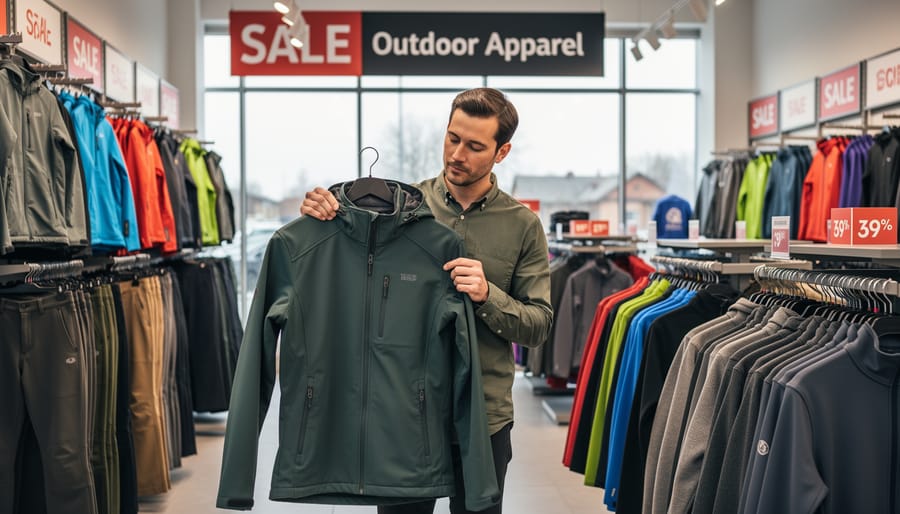
Eddie Bauer currently offers an extra 30% off clearance items, a promotion that stacks on top of already-reduced prices. This means products marked down during end-of-season inventory clearance receive an additional discount at checkout. While we can’t provide specific promo codes or exact expiration dates (these change frequently), this type of tiered clearance discount is standard for outdoor retailers managing seasonal inventory turnover.
Beyond public sales, Eddie Bauer participates in the ExpertVoice discount program. References to ExpertVoice appear across Eddie Bauer Canada’s product and policy pages, indicating this program provides verified discounts to qualifying professionals. ExpertVoice typically serves those working in relevant industries, outdoor recreation, conservation, education, though specific eligibility criteria and discount percentages vary by brand participation terms.
Understanding how clearance sales work helps you shop them strategically. Retailers like Eddie Bauer discount seasonal inventory to make room for incoming collections, which means clearance sections feature items from previous seasons rather than current releases. For outdoor gear, this matters less than for trend-driven fashion. A winter jacket from last season performs identically to this season’s version if the design and materials remain unchanged. The discount simply reflects timing, not diminished quality.
To find current Eddie Bauer promotions, check the clearance section on their website where active discount offers appear prominently. Sign up for their email list to receive notifications about upcoming sales and additional discount codes. For ExpertVoice access, visit the ExpertVoice website to see if your profession qualifies and follow their verification process.
The key distinction for conscious shoppers: clearance discounts don’t inherently conflict with sustainable purchasing. These aren’t fast-fashion overproduction sales but standard seasonal inventory management. The question becomes whether the discounted item represents a thoughtful purchase that fills a genuine need and will serve you for years, which we’ll explore in the next section.
Eddie Bauer’s Sustainability Profile: What Discounts Mean for Conscious Shoppers
Materials and Manufacturing
When browsing Eddie Bauer’s clearance section, the materials tag tells only part of the story. Outdoor apparel manufacturing involves complex global supply chains where recycled polyester might come from one facility, virgin nylon from another, and finishing treatments from yet another location. Without independent verification, a “recycled content” label doesn’t reveal whether that percentage is 15% or 90%, or whether the dyeing process negated environmental benefits.
What we can verify matters more than marketing language. Eddie Bauer has made public commitments to incorporating recycled materials and responsible sourcing, but the outdoor industry broadly lacks standardized disclosure requirements. Unlike food labels with mandated percentages and certifications, textile sustainability claims often rely on voluntary reporting. This makes sustainability ratings difficult to interpret consistently across brands.
When shopping discounted Eddie Bauer items, examine the specific product details rather than assuming company-wide policies apply uniformly. A fleece jacket on clearance might use recycled polyester, while a discounted rain shell beside it could be entirely conventional materials. Down-filled items warrant particular scrutiny, ask whether they carry third-party certification for animal welfare standards, and check if that certification covers the specific product or just portions of a collection.
The clearance rack reality: older inventory doesn’t necessarily mean inferior sustainability credentials, but it does mean manufacturing transparency was likely lower when those items were produced. If materials sourcing matters to your purchase decision, prioritize recently manufactured items where current standards apply, even if the discount is smaller.
Labor and Supply Chain Transparency
Supply chain transparency remains a significant challenge in the outdoor apparel industry, and Eddie Bauer fits the pattern of many established brands: limited public disclosure about factory locations, working conditions, and oversight mechanisms. The company doesn’t publish a comprehensive supplier list or detailed audit reports, making it difficult for conscious consumers to verify labor practices throughout the production chain.
This opacity matters when shopping discounts because clearance items often represent older inventory that may predate any recent improvements in ethical sourcing. Without transparent reporting, you can’t easily trace whether that discounted jacket came from a factory with fair wages and safe conditions or one cutting corners to meet price points.
When evaluating any outdoor brand during sales, ask these questions: Does the company publish its factory list? Are third-party audits conducted regularly, and are results made public? What mechanisms exist for workers to report grievances? How does the brand address wage levels, not just minimum compliance? The absence of clear answers shouldn’t necessarily disqualify a purchase, but it should inform your decision-making and shape where you direct future spending.
For Eddie Bauer specifically, the lack of detailed public information means you’re largely trusting the brand’s internal standards without verification. Compare this to competitors who publish annual impact reports with specific factory data, audit findings, and remediation timelines. That transparency gap is worth weighing against price savings, especially if labour practices rank high in your purchasing values.
Smart Strategies for Sustainable Discount Shopping
Finding deals on quality outdoor gear doesn’t have to conflict with your environmental values. The key is approaching discount shopping with the same intentional mindset that guides other sustainability choices. When you see that extra 30% off clearance, pause before clicking “buy” and consider whether this purchase truly serves your needs or just your desire for a good deal.
Start by evaluating each potential purchase against these criteria:
- Will I use this item regularly for at least five years? Quality outdoor gear should last, making it worth the investment even at full price.
- Does it fill a genuine gap in my wardrobe, or am I buying because the price is low? Discount-driven purchases often end up unworn.
- Can I verify the materials and construction quality? Even clearance items should meet durability standards that align with slow fashion principles.
- Am I choosing this over a more sustainable option simply because of the discount? Sometimes paying full price for a truly ethical brand makes more sense.
Focus your clearance shopping on versatile, classic pieces rather than trendy items. A well-made fleece jacket or durable hiking pants at 30% off represents genuine value if you’ll wear them for years. Seasonal colors or fashion-forward designs might seem appealing at steep discounts, but they rarely align with a circular economy mindset that prioritizes longevity.
Check clearance sections for items made with recycled materials or organic fibers. These pieces often end up on sale not because they’re inferior, but because retailers need to clear inventory for new collections. You’re getting the sustainability benefits at a lower cost, which represents the sweet spot for conscious consumers.
Set a personal rule: wait 48 hours before completing any discount purchase. This cooling-off period helps distinguish between genuine needs and impulse buys triggered by sale psychology. If you’re still thinking about that discounted rain jacket two days later and can articulate exactly how it fits into your existing wardrobe, it’s probably a sound purchase.
Alternatives Worth Considering
When exploring discount options beyond Eddie Bauer, several conscious outdoor brands deserve your attention. These companies offer regular sales while maintaining transparent sustainability commitments.
Patagonia remains a benchmark in the outdoor industry, running periodic sales on their Worn Wear resale platform and offering discounts on past-season items. Their repair program and detailed supply chain transparency set standards that help conscious consumers shop confidently, even during promotions.
REI Co-op provides member dividend programs and seasonal garage sales where returned or lightly used gear sells at significant markdowns. The cooperative structure means your purchases support an organization with documented environmental initiatives rather than solely generating shareholder profit.
Prana and Tentree frequently discount previous collections while maintaining certifications for organic cotton and fair trade manufacturing. Their clearance sections offer opportunities to find quality pieces at reduced prices without compromising on verified environmental standards.
For budget-conscious shoppers, thredUP and Worn Wear (Patagonia’s resale platform) provide alternatives to buying new, even at discount prices. Secondhand outdoor gear extends product lifecycles and eliminates the environmental cost of new manufacturing entirely.
When comparing these options to Eddie Bauer’s sales, look beyond the percentage discount. Consider what information each brand provides about materials, labor practices, and environmental impact. Brands offering transparent sustainability reports and third-party certifications give you more assurance that your discounted purchase aligns with your values.
The best alternative depends on your specific needs and values. A smaller discount from a brand with documented sustainable practices often represents better value than deeper markdowns from companies without verifiable commitments. Your choice ultimately supports the business practices you want to see succeed.
Finding discounts on quality outdoor gear doesn’t mean compromising your environmental principles. The key lies in approaching sales with the same intentionality you bring to other purchasing decisions. When you spot that extra 30% off clearance at Eddie Bauer, pause before clicking “buy now” and ask whether this item fills a genuine need or represents an impulse driven by the markdown.
Conscious consumption and smart saving can coexist when you commit to doing your homework. Research the materials in discounted items, question vague sustainability claims, and choose pieces built to last rather than chasing the lowest price on trendy gear you’ll discard in a season. The most sustainable purchase is often the one you don’t make, but when you genuinely need outdoor apparel, buying durable items on sale can be more environmentally sound than purchasing cheap fast-fashion alternatives at full price.
Eddie Bauer, like many established outdoor brands, presents a mixed sustainability picture. Rather than accepting marketing language at face value, verify specific environmental commitments and ask where transparency falls short. The ExpertVoice discount program and seasonal clearance sales can make quality outdoor gear more accessible, but only you can decide whether a brand’s practices align closely enough with your values to earn your dollars, discounted or otherwise.
Ultimately, sustainable discount shopping requires balancing practical needs, financial constraints, and environmental impact. Buy less, choose better, and make each purchase count.




Average Rating