 0
0
 0
0
Understanding fashion means developing the analytical skills to decode why trends emerge, evaluate sustainability claims critically, and make purchasing decisions aligned with your values rather than fleeting marketing narratives.
Fashion literacy matters because the industry has grown expert at packaging surface-level changes as revolution. A brand stamps “eco-friendly” on a hangtag. A celebrity collaboration drops with breathless hype. Fast fashion giants launch “conscious” collections while their core business model remains unchanged. Without the tools to look deeper, you’re left either paralyzed by greenwashing or accidentally supporting practices that contradict your principles.
The good news? Fashion literacy is a learnable skill, not an innate talent reserved for industry insiders. It starts with understanding the mechanics behind what you see: how trend cycles actually work, what sustainability certifications genuinely verify versus which ones exist purely for optics, and which signals reliably indicate a brand’s commitment versus clever marketing copy. Once you grasp these frameworks, evaluating a new label or collection becomes systematic rather than overwhelming.
This article breaks down the core components of fashion literacy in 2026, when misinformation spreads faster than ever but reliable information is also more accessible than it’s ever been. You’ll learn how to distinguish meaningful innovation from repackaged convention, recognize the economic and cultural forces that shape what fills store racks, and apply practical evaluation methods the next time a brand claims sustainability leadership. The goal isn’t turning you into a cynic who distrusts everything, but equipping you to ask better questions and spot the difference between companies earning your support and those simply angling for your wallet.
What Understanding Fashion Really Means
Understanding fashion means possessing the analytical tools to see beyond surface-level aesthetics and recognize how clothing connects to complex systems of production, culture, and environmental impact. It’s not about memorizing designer names or predicting next season’s colors, it’s about developing a critical lens that lets you evaluate what fashion communicates, how it’s made, and whether its claims hold substance.
At its core, fashion understanding operates on several interconnected levels. You’re reading cultural signals: recognizing when a trend emerges from genuine social movements versus manufactured desire created by marketing departments. You’re analyzing production systems: tracing how a garment moves from raw material to finished product, including the environmental footprint and labor conditions at each stage. You’re evaluating sustainability claims with skepticism and precision, distinguishing between brands making meaningful progress toward a circular economy and those deploying clever but empty language.
- Fashion Literacy
- The ability to decode fashion’s visual language, production methods, and business structures to make informed decisions about clothing consumption and impact.
- Trend Analysis
- Examining the origins and drivers behind fashion movements to determine whether they reflect cultural shifts, environmental awareness, or primarily serve commercial interests.
- Sustainability Claims
- Specific statements brands make about environmental or ethical practices, which require verification through certifications, transparency reports, and third-party evidence.
- Greenwashing
- Marketing tactics that create an impression of environmental responsibility without substantive changes to business practices or measurable impact reductions.
- Fast Fashion Cycle
- The accelerated production and consumption model built on rapid trend turnover, low prices, and planned obsolescence that drives environmental and social harm.
This competency separates someone who can identify a trending silhouette from someone who understands why that trend exists, who profits from it, what it costs the planet, and whether supporting it aligns with their values. Fashion understanding transforms you from a passive consumer responding to marketing into an active evaluator making choices based on evidence rather than impulse.
How Fashion Understanding Works in Practice
Reading the Signals Behind Trends
Every fashion trend has a story behind it, and learning to read those origins changes how you evaluate what’s worth embracing. When oversized blazers dominate runways and street style, the underlying driver might be feminist reclamation of power dressing, a practical response to remote work blurring professional boundaries, or simply a marketing push to refresh inventory. The difference matters enormously for sustainability.
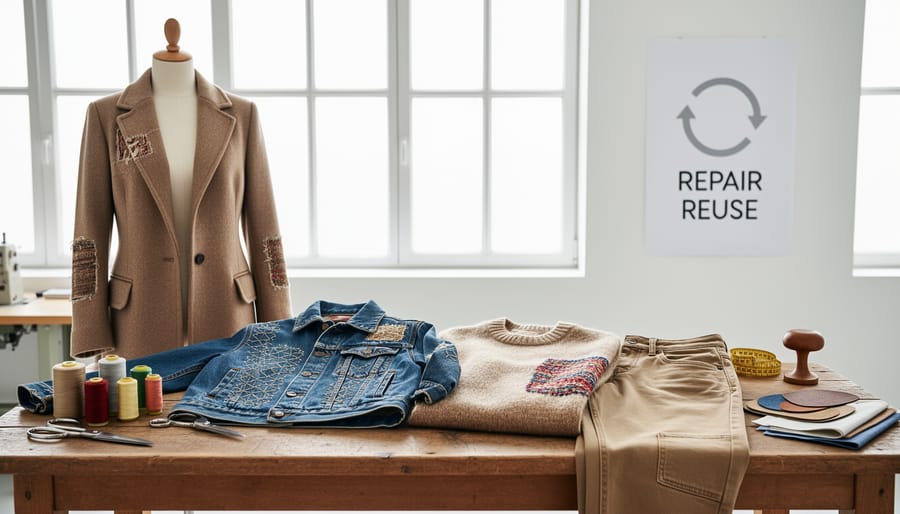
Trends rooted in cultural movements tend to have staying power and reflect genuine shifts in values. The explosion of visible mending in 2024-2026 emerged from growing anti-waste sentiment and a desire for individuality against mass production. That cultural foundation means the trend encourages repair over replacement, inherently sustainable. Contrast this with a brand-manufactured microtrend like “coastal grandmother aesthetic,” which primarily existed to sell new purchases rather than address any real cultural need.
Marketing-driven trends reveal themselves through their breadth and timing. When multiple fast fashion retailers launch nearly identical products within weeks, coordinated PR campaigns follow, and influencer content feels scripted, you’re seeing manufactured demand. These trends burn hot and fast, creating waste as items become unwearable once the moment passes.
Genuine innovation trends solve actual problems, like developments in biodegradable synthetics or zero-waste pattern cutting. These emerge gradually from research and necessity, often lack flashy marketing initially, and gain traction through demonstrated performance rather than hype.
Ask yourself: Does this trend encourage buying new, or does it work with what exists? Does it address a real need or create artificial desire? The answer reveals whether following it aligns with sustainable values.
Evaluating Brand Claims and Evidence
Start by treating every brand claim as a hypothesis that needs evidence. When a label announces “eco-friendly” or “sustainable,” look past the buzzword to specific, verifiable facts: What materials? From which suppliers? Certified by whom? Transparency reports that name factories, publish audit results, and share emissions data carry weight; vague commitments to “reduce impact by 2030” without interim benchmarks do not.
Certifications matter, but not equally. Third-party standards like Global Organic Textile Standard (GOTS), Fair Trade, or Bluesign verify specific practices through independent audits. A brand’s own “green badge” or in-house pledge lacks that external accountability. Check whether the certification covers the whole garment or just one component, organic cotton means little if the dye process uses toxic chemicals.
Material sourcing details reveal priorities. Brands serious about sustainability disclose fiber origins, processing methods, and the percentage of recycled or regenerative content. If a company highlights “recycled polyester” but won’t specify whether it’s post-consumer waste or industrial offcuts, or if they tout “natural fibers” without addressing pesticide use or water consumption, the omission tells you something.
Cross-reference claims with outside sources. Independent sustainability ratings investigative journalism, and supply-chain databases like the Transparency Pledge or Open Apparel Registry provide context that marketing copy won’t. When a brand’s own story conflicts with third-party findings, trust the evidence, not the narrative.
The Building Blocks of Fashion Literacy
Material and Production Knowledge
Evaluating sustainability claims starts with knowing what actually goes into making clothes. When a brand touts “eco-friendly materials,” you need baseline knowledge to assess that statement. Organic cotton sounds promising, but did production require heavy irrigation in water-scarce regions? Recycled polyester diverts plastic from landfills, yet it still sheds microplastics with every wash and relies on energy-intensive processing.
Manufacturing processes matter as much as raw materials. Textile dyeing consumes enormous water volumes and introduces chemicals, some brands discharge untreated wastewater directly into rivers. Understanding certifications like OEKO-TEX or Bluesign tells you whether a company monitors chemical use or just claims “chemical-free” without verification.
Labor conditions form the ethical foundation. Garment workers in Bangladesh and Vietnam face poverty wages and unsafe factories, even when brands market their collections as sustainable. A truly responsible company publishes supplier lists, conducts third-party audits, and demonstrates living wages rather than minimum compliance.
This production literacy transforms vague marketing into verifiable facts. You stop accepting “green” at face value and start asking: Which fiber? Whose factory? What proof?
Cultural and Social Context
Fashion operates as a visual language, communicating who we are and what we value before we speak a word. A vintage band t-shirt signals different cultural allegiances than a tailored blazer. Streetwear’s rise from underground subcultures to luxury runways didn’t happen randomly, it reflected genuine shifts in how younger generations viewed authenticity and exclusivity.
The challenge is separating organic cultural movements from manufactured ones. When sustainability becomes trendy, is it because consumers genuinely care about climate impact, or because brands recognized “eco” as a profitable aesthetic? Look for depth markers: communities discussing these values before brands jumped in, grassroots movements driving change, sustained commitment beyond a single season.
Status signals have evolved, too. In some circles, fast fashion abundance marks you as uninformed, while curated secondhand pieces signal values-driven sophistication. This shift matters because it reveals changing definitions of aspiration, from consumption volume to thoughtful selection.
Cultural context helps you ask: Does this trend emerge from real people solving real problems, or from marketing teams creating manufactured desire? That distinction determines whether participating supports genuine change or just funds clever advertising.
Economic and Business Models
Fashion’s business models directly shape what gets produced, how long it lasts, and whether sustainability is even possible within that framework. Fast fashion operates on volume economics: produce massive quantities cheaply, sell at low margins, turn inventory quickly, and rely on constant newness to drive repeat purchases. This model requires high-speed manufacturing, low-cost materials (often petroleum-based synthetics that shed microplastics), and planned obsolescence, garments designed to wear out or feel outdated within months.
Slow fashion reverses these economics. Brands produce smaller quantities, charge higher prices that reflect true production costs, invest in durable materials and quality construction, and build customer loyalty through longevity rather than churn. The business succeeds when garments last years, not weeks.
Recognizing these fundamentally different structures helps you evaluate sustainability claims realistically. A brand can’t run on fast-fashion economics while achieving genuine sustainability, the math doesn’t work. When a company talks about eco-friendly initiatives but maintains 52 micro-seasons annually and rock-bottom pricing, the business model itself contradicts the promise.
Applying Fashion Understanding to Real Decisions
Spotting Greenwashing in Fashion Marketing
Brands deploy predictable patterns when they want to appear sustainable without making substantive changes. Watch for vague, feel-good language like “eco-friendly,” “conscious,” or “natural” without specific evidence, these terms sound meaningful but reveal nothing about actual materials, processes, or impact. If a brand doesn’t define what makes a product sustainable, it probably isn’t.
Misleading certifications create another smokescreen. Some brands invent their own sustainability badges or highlight minor third-party certifications that verify a single component while ignoring the rest of the supply chain. Check whether the certification covers the whole garment or just one material, whether it’s independently verified, and whether it addresses labor conditions alongside environmental factors. A legitimate certification should be traceable and specific.
Partial transparency reveals strategic omissions. A brand might showcase one “green” collection while keeping the rest of its production opaque, or publish glossy sustainability reports that highlight goals without disclosing current impacts or progress metrics. Real transparency provides data on water use, chemical inputs, waste generation, and worker wages across the entire operation, not just the photogenic parts.
The language of aspiration versus action matters. “We’re committed to sustainability by 2030” signals intention, not achievement. “We reduced water use by 38% in our denim production using closed-loop systems” shows measurable results. Similarly, highlighting how upcycling fixes textile waste means nothing if a brand offers one upcycled item while producing thousands of virgin-material garments weekly. Context and scale separate genuine practice from marketing theater.
Building a Framework for Brand Evaluation
Start with the evidence trail. When a brand claims sustainability, your first question should be: “Can I verify this independently?” Look for third-party certifications like GOTS, Fair Trade, or B Corp status, credentials that require external auditing, not self-declarations. Check if the brand publishes supplier lists, carbon footprints, or wage data. Real transparency means making information findable without a marketing filter.
Next, examine specificity. Vague language like “eco-friendly” or “conscious collection” means nothing without details. What percentage of their production uses sustainable materials? Which materials, specifically? Are they talking about one capsule line or their entire business? Genuine brands quantify their claims and acknowledge gaps. If a company only highlights wins without mentioning challenges, they’re curating an image rather than reporting reality.
Then assess consistency across the business model. A brand can’t claim sustainability while releasing 52 micro-collections per year or pricing garments so low that living wages become impossible. Look at their production volume, pricing structure, and business growth strategy. Does their operational model align with their stated values, or do the economics contradict the marketing?
Cross-reference multiple sources. Don’t rely solely on brand websites. Check independent reviews on Good On You, read investigative journalism about their supply chain, look for worker testimonies or environmental audits. Triangulating information reveals whether claims withstand scrutiny.
Finally, watch for accountability over time. Brands serious about sustainability publish annual progress reports showing both achievements and setbacks. They respond to criticism, update practices when problems surface, and demonstrate improvement across years, not just static marketing narratives.
Why Fashion Understanding Matters in 2026
The fashion industry in 2026 presents an information paradox: we have more access to brand claims and sustainability data than ever, yet distinguishing meaningful action from marketing theater requires sharper critical skills. Nearly every brand now uses sustainability language, but the substance behind those claims varies wildly, from comprehensive supply chain transparency to vague promises that say nothing concrete.
This proliferation of green messaging makes fashion understanding essential rather than optional. When ten brands claim to be “sustainable,” the ability to evaluate material sourcing, verify certifications, and assess transparency reports becomes the difference between supporting genuine change and funding sophisticated greenwashing. The consumer who can’t decode these signals ends up making purchasing decisions based on marketing budgets rather than actual impact.
Global supply chains have grown more complex, not simpler. A single garment might involve cotton from India, spinning in Turkey, fabric production in China, assembly in Bangladesh, and finishing in Portugal. Understanding this complexity helps you recognize when a brand claiming “European craftsmanship” is highlighting one small step while obscuring five others, or when vertical integration and regional production genuinely reduce environmental impact.
Conscious consumerism has moved from niche to mainstream, creating market pressure that brands can’t ignore. Companies respond to informed demand differently than they respond to vague preference. When consumers ask specific questions about water usage, chemical inputs, living wages, and third-party verification, they force accountability. When they accept “eco-friendly” without follow-up, they get whatever marketing departments invent.
Fashion understanding functions as collective leverage. Individual purchasing decisions matter, but informed consumers also shape industry standards by rewarding transparency and rejecting opacity. The brands that thrive in 2026’s market are those that recognize educated consumers as partners rather than targets, because those consumers can tell the difference.
Common Questions About Understanding Fashion
How long does it take to develop real fashion literacy? The honest answer: it’s ongoing. You’ll notice the difference within weeks, you’ll start questioning brand claims you once accepted, spotting patterns in marketing language, recognizing when a trend actually addresses a problem versus just repackaging it. But fashion understanding deepens with every season, every supply chain you research, every brand you evaluate. Think of it like learning a language. You can have useful conversations after a few months of study, but you continue picking up nuance and fluency for years.
You don’t need industry experience or a fashion degree to develop this skill. What matters is curiosity and a willingness to dig one layer deeper than surface claims. Some of the most insightful fashion critics are consumers who started asking basic questions: What’s this made from? Who made it? Where’s the evidence? Industry insiders can actually struggle with this because they’re too close to the marketing machinery or too invested in maintaining certain narratives.
Where should I start if I’m completely new to this?
Pick one item in your closet and research its material, how it’s made, what it requires to produce, what happens when you wash it. That single deep dive teaches you more than reading ten general articles about sustainable fashion.
What are the most reliable information sources?
Look for third-party certifications with public standards (GOTS, Fair Trade, B Corp), investigative journalism from outlets without brand partnerships, and academic research on textile production. Be cautious with brand-published sustainability reports unless they include verified data and third-party audits.
How can I tell if a trend is genuinely sustainable?
Ask whether it solves a real problem or creates a new purchase justification. Genuine sustainable trends extend garment life, reduce resource use, or improve labor conditions, not just offer a fresh aesthetic packaged in green marketing language.
How do I avoid information overload?
Focus on one aspect at a time, materials one month, labor practices the next, business models after that. You’re building a framework, not memorizing everything simultaneously.
The learning curve feels steepest at the beginning because you’re establishing your baseline understanding. Once you know how to verify a certification, you can apply that skill to dozens of brands. Once you recognize one greenwashing tactic, you’ll spot variations everywhere. The framework becomes reusable.
Start with what bothers you most. If textile waste keeps you up at night, focus there first, learn about fiber lifecycles, recycling limitations, and durability standards. If labor conditions concern you more, dig into supply chain transparency and certification programs. Your initial frustration or curiosity provides natural momentum, and understanding one system makes the next easier to grasp.
You’ll make mistakes. You’ll trust a brand that later disappoints you, or dismiss one that’s actually doing solid work. That’s part of the process. Fashion understanding isn’t about achieving perfect judgment, it’s about asking better questions over time and adjusting your framework as you learn. Every conscious consumer started exactly where you are now, wondering if they’d ever make sense of it all. They did. You will too.
Understanding fashion isn’t something you master and tick off your list. It’s a skill you refine with every purchase, every trend cycle, every brand claim you encounter. The fashion industry evolves constantly, new materials emerge, business models shift, sustainability standards tighten, which means your learning continues alongside it.
Start where you are. Question one sustainability claim this week. Research the actual impact of one fiber you wear often. Evaluate whether one trending concept reflects genuine innovation or clever marketing. Each small act of inquiry builds your ability to see through surface stories and recognize substance beneath.
You don’t need encyclopedic knowledge to make better choices. You need curiosity, a willingness to dig one layer deeper than the Instagram caption or the tag line, and patience with yourself as you learn. The brands making genuine progress want informed consumers asking tough questions. The ones relying on vague language and partial truths count on you not looking closely.
Your questions matter because they create demand for real answers. When enough consumers ask for transparency, supply chains become visible. When enough people recognize greenwashing, marketing teams rethink their approach. Your growing understanding doesn’t just change your wardrobe, it shapes an industry that depends entirely on what you’re willing to accept.
The fashion system shifts when we refuse to settle for less than the truth.



Average Rating