
 0
 0
Sustainable style means choosing clothing and accessories that minimize environmental harm and support fair labor practices throughout their lifecycle, from production through disposal. It’s a commitment to quality over quantity, transparency over trends, and longevity over landfill-bound fashion.
This approach matters because the fashion industry produces roughly 10% of global carbon emissions and remains one of the world’s largest water consumers and polluters. Every garment choice either perpetuates these problems or helps solve them. The difference lies in understanding what truly makes fashion sustainable versus what’s simply clever marketing.
The challenge for most people isn’t wanting to make better choices. It’s cutting through greenwashing to identify brands and practices that actually deliver on sustainability promises. Terms like “eco-friendly,” “conscious,” and “green” appear everywhere, but they often lack substance or third-party verification.
Building a sustainable wardrobe isn’t about perfection or replacing everything you own overnight. It starts with understanding the core principles: materials that regenerate or minimize harm, production methods that protect both people and planet, business models built for durability rather than disposability, and end-of-life solutions that keep textiles in use.
This guide breaks down exactly what sustainable style looks like in practice. You’ll learn how to evaluate sustainability claims, identify genuinely responsible brands, recognize which materials and certifications matter, and build a wardrobe that reflects your values without sacrificing your personal aesthetic. The goal is clarity and confidence in a space that’s deliberately been made confusing.
What Sustainable Style Really Means
Sustainable style describes a way of building and wearing a wardrobe that prioritizes lasting value over temporary trends, reduces harm throughout the production process, and considers the full environmental and social cost of every garment. It’s the opposite of disposable fashion culture. Where conventional fashion encourages constant buying and discarding, sustainable style asks you to purchase less, choose better, and keep clothing in use longer.
At its foundation, sustainable style rests on four interconnected principles. Longevity means investing in well-made pieces designed to last years rather than seasons, reducing the need for replacement and the waste that comes with it. Ethical production ensures garments are made under fair labor conditions, with safe workplaces and living wages for everyone in the supply chain. Environmental responsibility addresses the ecological footprint at every stage, from water and chemical use in fabric production to carbon emissions from shipping, including concerns like fast fashion microplastics that pollute waterways. Mindful consumption shifts the focus from quantity to intentionality, encouraging thoughtful purchasing decisions based on genuine need and versatility.
- Circular Fashion
- A system where garments are designed to be reused, repaired, or recycled rather than ending up in landfills, keeping materials in circulation.
- Ethical Production
- Manufacturing practices that ensure fair wages, safe working conditions, and respect for the people who make our clothes.
- Timeless Design
- Clothing created to transcend seasonal trends, with classic cuts and versatile styles that remain wearable for years.
- Slow Fashion
- An intentional alternative to fast fashion that values quality, craftsmanship, and transparency over speed and volume.
- Responsible Sourcing
- Choosing materials with lower environmental impact, such as organic fibers, recycled content, or regeneratively grown crops.
Sustainable style differs fundamentally from both fast fashion and greenwashing. Fast fashion thrives on rapid turnover and rock-bottom prices, externalizing environmental and social costs. Greenwashing uses vague eco-language without substantive change, slapping “conscious” labels on business-as-usual practices. Genuine sustainable style, closely aligned with slow fashion principles, requires verifiable commitments backed by transparency, certifications, and measurable impact reduction across the entire supply chain.
How Sustainable Style Works in Practice
The Lifecycle Approach
Sustainable style tracks a garment’s impact from fiber to final disposal, not just the moment you buy it. This lifecycle approach evaluates environmental and social consequences at every stage: sourcing raw materials, manufacturing textiles and finished goods, transporting products, how you wear and care for items, and what happens when they’re no longer usable.
Material sourcing matters because cotton farming can deplete water supplies, while polyester production relies on fossil fuels. Manufacturing involves dyeing, cutting, and assembly, processes that generate waste, consume energy, and affect workers. Distribution adds transportation emissions. The use phase includes washing, drying, and repairs, which all carry environmental costs. End-of-life determines whether a garment decomposes, gets recycled, or sits in a landfill for decades.
The circular economy in fashion takes this further by designing waste out of the system entirely. Instead of the linear take-make-dispose model, circular principles keep materials in use through durability, repair, resale, and recycling. A circular garment might be made from regenerated fibers, designed for easy disassembly, worn for years, resold secondhand, then recycled into new fabric, never ending up as waste.
Brands practicing genuine sustainable style assess these stages transparently, make intentional choices to minimize harm at each point, and design for circularity from the start.
The Role of Quality and Longevity
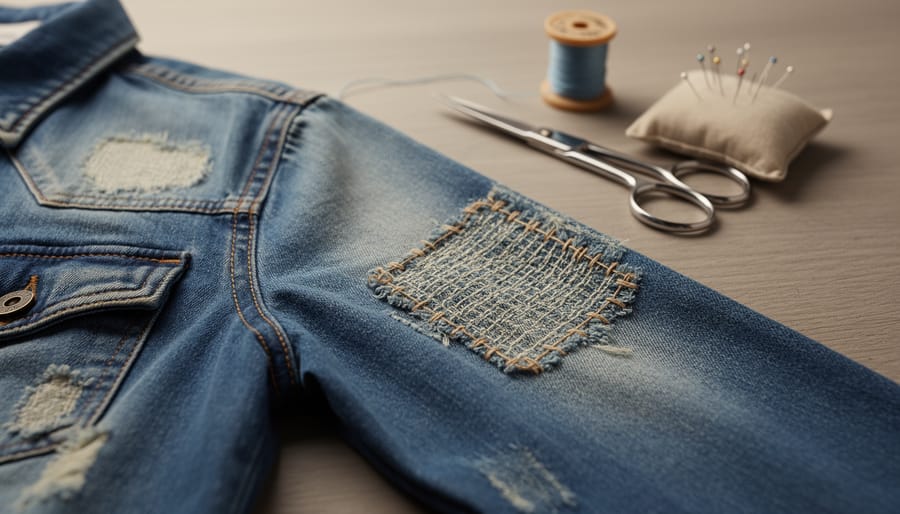
Quality and longevity form the backbone of sustainable style because they directly counter the disposability that fuels fashion’s environmental crisis. When a garment lasts five years instead of one season, its environmental cost per wear drops dramatically, fewer resources consumed, less waste generated, smaller carbon footprint overall.
Durability starts with construction. Double-stitched seams, reinforced stress points, and quality finishing resist the wear that sends cheaper pieces to landfills. Bartacking at pocket corners, French seams that won’t fray, and interfacing that maintains shape after repeated washing all extend usable life. The fabric itself matters too: tightly woven natural fibers like heavyweight cotton twill or worsted wool outlast synthetic blends that pill and lose integrity within months.
Timeless design adds another dimension. Classic silhouettes, neutral palettes, and versatile cuts don’t just survive trend cycles, they encourage repeated wearing across years. A well-cut blazer or properly fitted jeans becomes a wardrobe anchor rather than a seasonal impulse buy destined for donation.
This approach requires higher upfront investment, but the math shifts when you calculate cost per wear. A two hundred dollar jacket worn two hundred times costs a dollar per use. A thirty dollar fast fashion piece worn five times before falling apart costs six dollars per wear, and generates waste faster. Quality transforms clothing from disposable commodity back into durable goods worth maintaining, repairing, and keeping.
Transparency and Traceability
Transparency and traceability separate authentic sustainable brands from those simply claiming it. Genuine brands openly share where and how their garments are made, naming factories, mapping supply chains, and publishing environmental impact data. This visibility allows you to verify sustainability claims rather than taking marketing at face value.
Traceability means being able to follow a garment’s journey from raw material to finished product. Brands using blockchain technology, QR codes linking to production details, or detailed supplier lists demonstrate accountability. Certifications like GOTS, Fair Trade, or B Corp provide third-party verification, but transparency goes further, showing the actual practices behind the labels.
This openness matters because it exposes greenwashing. Vague statements about “eco-friendly materials” without specifics, claims about “ethical factories” without naming them, or sustainability pages lacking data all signal surface-level commitment. When brands share both successes and ongoing challenges, it reflects the honest complexity of sustainability work.
Key Elements of Sustainable Style
Sustainable Materials and Fabrics
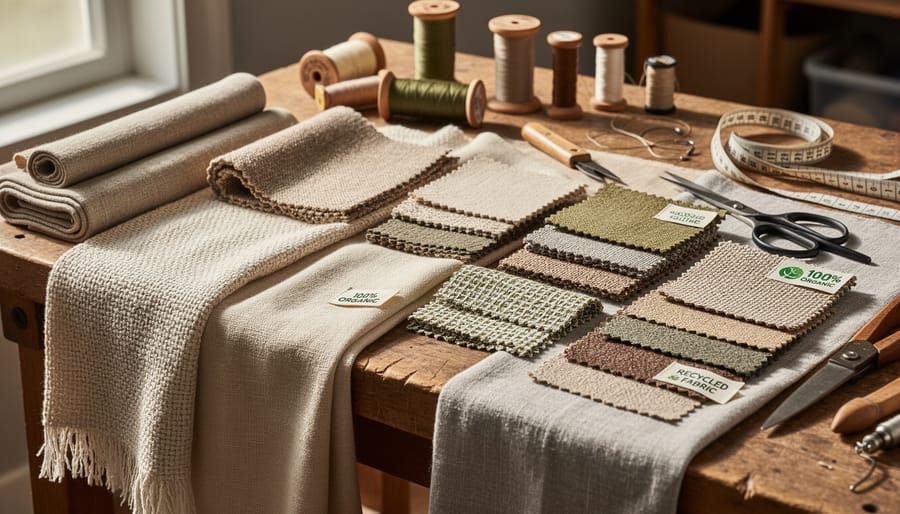
The materials that make up your clothes determine much of their environmental impact. Sustainable fabrics address problems created by conventional textiles, from pesticide-heavy cotton farming to petroleum-based synthetics that shed microplastics.
Organic materials like organic cotton, linen, and hemp grow without synthetic pesticides or fertilizers, protecting soil health and farmworker safety. These natural fibers biodegrade at end-of-life, unlike petroleum-based polyester that persists in landfills for centuries.
Recycled materials give existing textiles or plastic bottles new purpose. Recycled polyester reduces reliance on virgin petroleum, though it still sheds microfibers during washing. Recycled cotton saves water and diverts textile waste from landfills, though fiber quality can decline with each recycling cycle.
Regenerative materials go further by actively improving ecosystems. Regenerative wool comes from farms that restore soil carbon and biodiversity through rotational grazing. Regenerative cotton rebuilds degraded farmland while growing fiber.
Innovative alternatives push boundaries: Tencel (lyocell) transforms sustainably-harvested wood pulp using closed-loop processes that recycle water and solvents. Piñatex creates leather-like material from pineapple leaf waste. Lab-grown materials and mycelium-based fabrics eliminate animal agriculture entirely.
No single material solves everything, organic cotton still needs substantial water, recycled polyester still sheds plastic. Genuine sustainable brands combine thoughtful material choices with transparent disclosure about trade-offs, helping you make informed decisions rather than perfect ones.
Ethical Production Practices
Ethical production means real people make your clothes under fair, safe conditions, not just legal minimum standards, but genuinely humane treatment. Fair labor practices include living wages (enough to afford basic needs, not just survive), reasonable working hours, freedom to organize, and protection from exploitation. Safe working conditions cover proper ventilation, building safety, chemical handling protocols, and emergency exits, basics that remain absent in many fashion factories.
Local manufacturing matters because shorter supply chains typically mean better oversight. When brands produce closer to their headquarters, they can monitor conditions more directly and respond faster to problems. It’s not foolproof, but distance often enables hiding abuses.
Certifications help verify claims. Fair Trade Certified ensures farmers and workers receive fair prices and safe conditions, with community development premiums. B Corporation certification measures a company’s entire social and environmental performance, including worker treatment, transparency, and accountability. These aren’t perfect, some brands game the system, but they require third-party audits and public accountability reports.
Look beyond labels, though. Genuine ethical brands openly share factory locations, publish detailed transparency reports, and discuss challenges honestly rather than claiming perfection.
Design Philosophies
Sustainable style embraces design philosophies that prioritize longevity over trends. Timeless design focuses on classic silhouettes and neutral palettes that remain relevant season after season, reducing the urge to constantly replace garments. This approach directly challenges fast fashion’s built-in obsolescence.
Capsule wardrobes take this further by curating a small collection of versatile pieces that work together interchangeably. The goal isn’t restriction but intentionality, each item earns its place through functionality and compatibility with your existing wardrobe.
Versatility itself becomes a design principle: garments that transition from casual to formal, layer effectively across seasons, or adapt through styling offer more value per piece. A reversible jacket or convertible dress exemplifies this thinking.
Zero-waste pattern cutting represents the technical side, where designers arrange pattern pieces to use every inch of fabric, eliminating offcuts that typically end up in landfills. Some brands engineer garments entirely from rectangular fabric panels, merging traditional techniques with contemporary sustainability goals.
Consumption Models
Sustainable style extends beyond what you buy to how you acquire and use clothing. Rental services let you access variety without ownership’s environmental cost. Resale platforms give garments second (or third) lives, keeping them in circulation longer. Repair, whether professional alterations or home mending, directly counters disposability. Made-to-order models eliminate overproduction by creating pieces only when purchased, reducing waste at the source while often offering better fit and quality.
Where Sustainable Style Applies in Your Wardrobe
Sustainable style isn’t confined to a single aesthetic or lifestyle, it adapts to whatever you need from your wardrobe. Start with everyday basics: well-made jeans, versatile tees, quality knitwear, and comfortable shoes that last multiple seasons. These foundational pieces benefit most from sustainable thinking because you wear them constantly. Choose organic cotton, recycled materials, or durable natural fibers from brands with transparent production practices.
Professional wardrobes translate seamlessly to sustainable style through classic tailoring, quality blazers, timeless dress shirts, and investment-quality work shoes. The formal nature of professional dress actually favors sustainability, structured pieces in neutral colors resist trend cycles and maintain their appearance through years of regular wear. Look for brands that prioritize ethical manufacturing and longevity over seasonal turnover.
Special occasion wear presents more challenges but plenty of solutions. Consider rental services for one-time events like weddings or galas. For pieces you’ll wear repeatedly, choose versatile designs in quality fabrics that transcend specific trends. A well-made cocktail dress or suit can serve dozens of occasions when styled differently.
Active wear increasingly embraces sustainable materials, recycled polyester from plastic bottles, organic cotton blends, and innovative performance fabrics with lower environmental impact. Many sustainable activewear brands now match conventional options in functionality while providing transparency about their supply chains.
The key is recognizing that sustainable style works within your existing life, not against it. You don’t need a complete wardrobe overhaul or a bohemian aesthetic. Whether you’re evaluating brands through sustainability ratings or simply choosing better-made pieces, sustainable style meets you where you are, in your office, your workout routine, your celebrations, and your daily life.
How to Identify Genuine Sustainable Style
Spotting authentic sustainable style requires a critical eye and a few simple checks. Start by looking for transparency: genuine sustainable brands publish detailed information about their materials, factories, and environmental practices. If a brand makes sweeping claims like “eco-friendly” or “green” without backing them up with specifics, that’s a red flag.
Certifications provide shorthand verification, but know which ones carry weight. Look for GOTS (Global Organic Textile Standard) for organic materials, Fair Trade for ethical labor, OEKO-TEX for chemical safety, or B Corp for overall verified social and environmental performance. These third-party certifications require documentation and audits, unlike self-awarded “eco” labels.
Watch for greenwashing tactics: vague language, nature imagery disconnected from actual practices, tiny “sustainable collections” that distract from a brand’s overall model, or claims that sound impressive but lack measurable data. A brand calling one line “conscious” while producing thousands of weekly fast fashion drops isn’t genuinely sustainable.
Here’s what to verify before buying:
- Third-party certifications from recognized organizations, not just in-house badges
- Published supply chain information showing where and how items are made
- Specific environmental data: carbon footprint, water use, waste reduction metrics
- Clear material breakdowns with percentages, not just “eco materials”
- Measurable commitments with timelines, not aspirational future goals
Platforms like Fashion Upended simplify this process by evaluating brands across multiple sustainability attributes, from material sourcing to labor practices to laundry sustainability. These ratings cut through marketing language to show you which claims actually hold up, saving you hours of research and helping you shop with confidence.
Common Questions About Sustainable Style
Is sustainable style actually accessible, or just another luxury buzzword? Do you have to sacrifice personal expression for environmental responsibility? These questions come up constantly, and they deserve honest answers.
The truth is, sustainable style comes with real trade-offs and genuine opportunities. Understanding both helps you make informed decisions that align with your values and circumstances.
Is sustainable style more expensive?
Quality sustainable pieces typically cost more upfront than fast fashion equivalents, but they’re designed to last years rather than seasons. When you calculate cost-per-wear over a garment’s lifespan, sustainable items often prove more economical, plus secondhand and vintage options make sustainable style accessible at nearly any price point.
Does sustainable style mean sacrificing trends and personal expression?
Not at all. Sustainable style prioritizes timeless design and quality over disposability, but plenty of sustainable brands offer contemporary aesthetics and diverse styles. The shift is toward intentional trend adoption rather than mindless consumption, choosing what genuinely reflects your style rather than chasing every fleeting microtrend.
How should I care for sustainable garments?
Most sustainable pieces are designed for longevity, which means they respond well to proper care. Wash less frequently in cold water, air dry when possible, and follow care labels, especially for natural fibers like organic cotton or linen. Many sustainable fabrics actually become softer and more comfortable with proper aging.
Can sustainable style be inclusive and diverse?
It absolutely should be, though the industry still has work to do. More sustainable brands now offer extended sizing, adaptive designs, and styles that honor cultural diversity. The movement is expanding beyond its initial narrow aesthetic to embrace the reality that sustainability must work for all bodies, budgets, and lifestyles.
Where do I start if I’m on a budget?
Begin with what you already own, care for it properly and wear it longer. When you need something new, explore thrift stores, clothing swaps, and resale platforms first. Focus on filling gaps in your wardrobe with versatile basics from transparent brands rather than trying to overhaul everything at once.
Do individual choices really matter when fashion is a systemic problem?
Yes, though not in the way marketing suggests. Your purchases won’t single-handedly fix the industry, but collective consumer demand does shift business practices. More importantly, informed choices help you align your actions with your values while supporting brands actively working toward systemic change.
The learning curve can feel steep at first. You’ll encounter conflicting information, discover favorite brands aren’t as sustainable as claimed, and face moments when convenience battles conviction. That’s normal. Sustainable style isn’t about perfection, it’s about progress and making better decisions as you learn.
The most powerful shift happens when you stop viewing sustainable style as a restriction and start seeing it as an expansion: more creativity through constraint, deeper satisfaction from fewer but better pieces, and genuine connection to the clothes you wear. Your journey will look different from anyone else’s, and that’s exactly how it should be.
Sustainable style isn’t just a personal wardrobe choice, it’s a movement reshaping how the fashion industry operates. When you choose brands that prioritize transparency, ethical production, and environmental responsibility, you’re not just making a purchase; you’re casting a vote for a different kind of fashion system.
Every informed decision creates ripples. Brands respond to consumer demand, and as more people seek genuinely sustainable options, more companies invest in circular models, fair labor practices, and innovative materials. The relationship works both ways: conscious consumers drive industry change, while transparent brands make sustainable style more accessible and trustworthy.
This is precisely why connecting conscious brands with conscious consumers matters so much. When you have reliable information, clear sustainability attributes, verified claims, and honest evaluations, you can build a wardrobe that reflects your values without second-guessing every label’s promises.
The fashion industry’s transformation won’t happen overnight, but it’s already underway. Your choices contribute to that shift, one garment at a time. By understanding what sustainable style truly means and how to identify it, you become part of a collective effort that’s proving ethical fashion isn’t a niche trend, it’s the future.



Average Rating